
The New Engine of Hotel Dining Service: Empowering Intelligent Experience with Dining Automation Delivery Robots
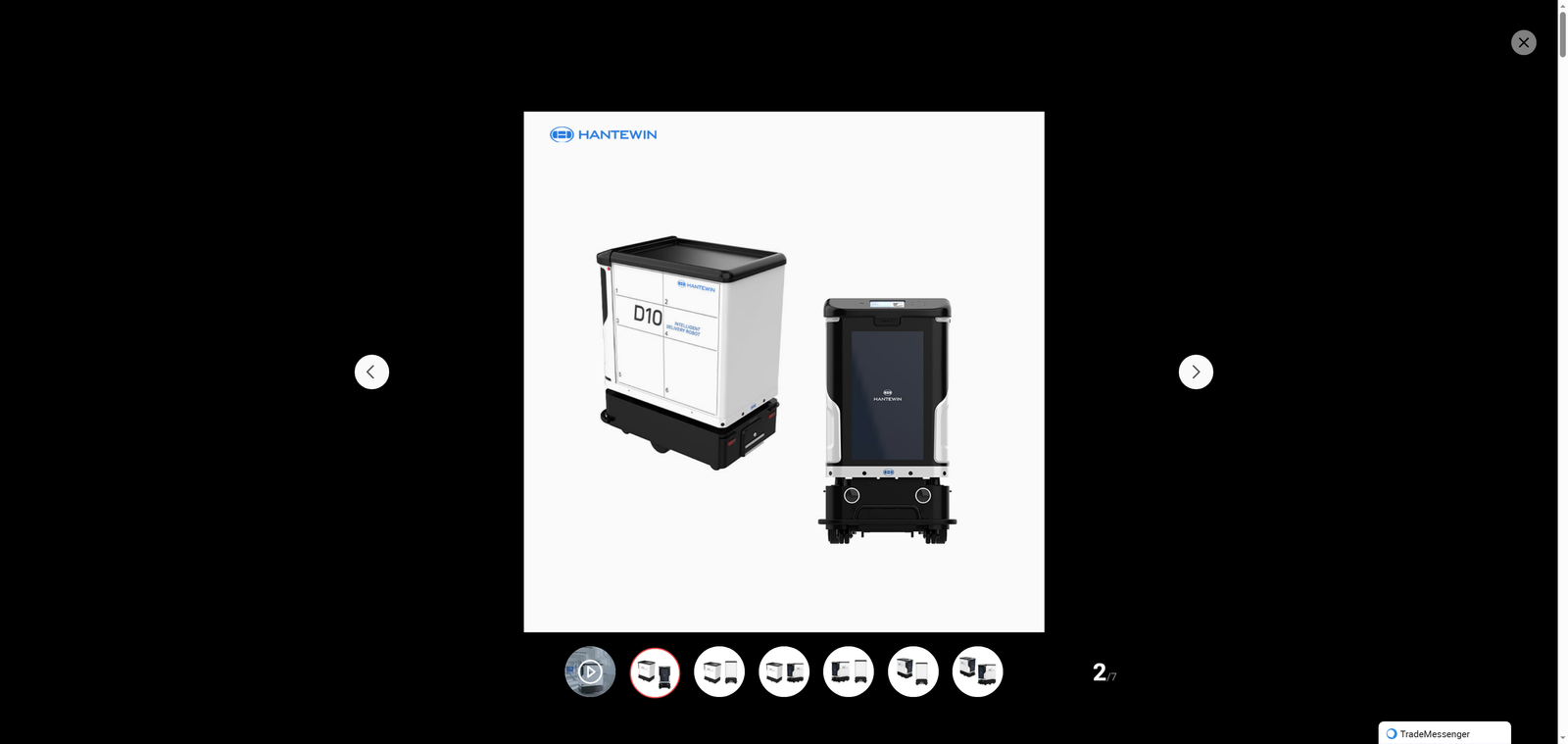
In the era of intelligent consumption, hotels are no longer just a place for accommodation; they have gradually evolved into a comprehensive space integrating catering, leisure and social interaction. The quality of dining service, as a key part of hotel competitiveness, is facing higher requirements for efficiency, personalization and intelligence. Against this background, the Dining Automation Smart Intelligent Service Dish Food Meal Delivery Robot (hereinafter referred to as "hotel dining delivery robot") has emerged as the times require. It breaks through the limitations of traditional manual service, takes technology as the cornerstone, and injects a new vitality into the upgrading of hotel dining services.
The hotel dining delivery robot is a high-tech product integrating multiple technologies such as artificial intelligence, automatic navigation, sensor recognition and intelligent control. Different from the single functional equipment in the past, it is designed with the core needs of hotel dining scenarios in mind, covering the whole process of meal delivery, dish delivery, recycling and other services, realizing the full automation and intelligence of the service chain. In terms of core technology, the robot is equipped with advanced SLAM navigation system and multi-sensor fusion technology, which can accurately perceive the hotel dining environment, automatically avoid obstacles such as guests, tables and chairs, and take the optimal path to complete the delivery task. Even in the peak period of dining with dense people, it can still operate stably and efficiently, ensuring the timeliness of meal delivery.
For hotels, the application of dining delivery robots has brought revolutionary changes to operational efficiency and cost control. Traditional hotel dining service relies heavily on manual work. In the peak period of meals, it is often faced with the problems of insufficient waiters, long meal delivery time, and easy errors in order delivery. These problems not only reduce the guest experience, but also increase the labor cost of the hotel. After the introduction of dining delivery robots, a single robot can replace 2-3 waiters' work in meal delivery, and can work 24 hours a day without rest, which greatly improves the service efficiency. At the same time, the robot only needs regular maintenance and charging during the operation process, and the long-term operation cost is far lower than the labor cost. This helps hotels reduce the pressure of personnel management and cost control, and focus more on improving the quality of core services.
From the perspective of guests, the hotel dining delivery robot has brought a novel and high-quality dining experience. For modern consumers, especially young groups, intelligent service has become an important factor affecting their choice of hotels. The appearance of dining delivery robots not only satisfies their curiosity about new technologies, but also provides a more intimate and efficient service experience. When guests order meals through the hotel's intelligent system, the robot can receive the order information in real time, take the dishes from the kitchen accurately according to the order, and send them to the designated table. During the delivery process, the robot is equipped with a voice broadcast function, which can warmly remind guests to take meals, and also interact with guests simply, adding fun to the dining process. In addition, the robot's closed food delivery box can effectively ensure the hygiene and temperature of the dishes, avoiding the problem of food pollution caused by manual delivery, and making guests more assured when dining.
In addition to meal delivery and dish delivery, the hotel dining delivery robot can also be connected with the hotel's intelligent management system to realize more extended functions, further empowering the intelligent operation of the hotel. For example, the robot can collect data such as guest dining time, order preference and service evaluation during the service process, and feed these data back to the hotel management background. Hotel managers can analyze these data to adjust the menu structure, optimize the service process and reasonably arrange personnel shifts, so as to realize refined operation management. At the same time, the robot can also undertake the work of tableware recycling and food delivery promotion. After guests finish their meals, the robot can automatically go to the table to recycle tableware, reducing the workload of waiters; it can also broadcast the hotel's special dishes and preferential activities through voice, helping the hotel increase sales.
With the continuous progress of technology and the increasing demand for intelligent services in the hotel industry, the hotel dining delivery robot is no longer a "novelty" in the industry, but has gradually become a standard configuration for high-quality hotels. However, it should be noted that the popularization of intelligent robots does not mean replacing manual services, but forming a complementary relationship with manual services. Robots are responsible for repetitive, tedious and heavy physical work such as meal delivery and tableware recycling, while waiters can focus on providing more humanized services such as guest reception, dish introduction and demand response. This "intelligence humanity" service mode can not only give play to the advantages of technology, but also retain the temperature of service, which is the core direction of the upgrading of hotel dining services in the future.
Looking forward to the future, with the integration and innovation of technologies such as 5G, Internet of Things and big data, the hotel dining delivery robot will have more powerful functions and a wider range of application scenarios. It may realize more accurate order recognition, more flexible path planning, and even personalized service customization according to the guest's eating habits. At the same time, the appearance design of the robot will be more in line with the hotel's positioning and decoration style, becoming a part of the hotel's brand image. As a new engine for the intelligent upgrading of hotel dining services, the dining delivery robot will help hotels build a more competitive service system, create a better dining experience for guests, and promote the high-quality development of the hotel industry.