
Factory Custom Shelf Management: High-Quality Library Robots Redefine Smart Library Operations
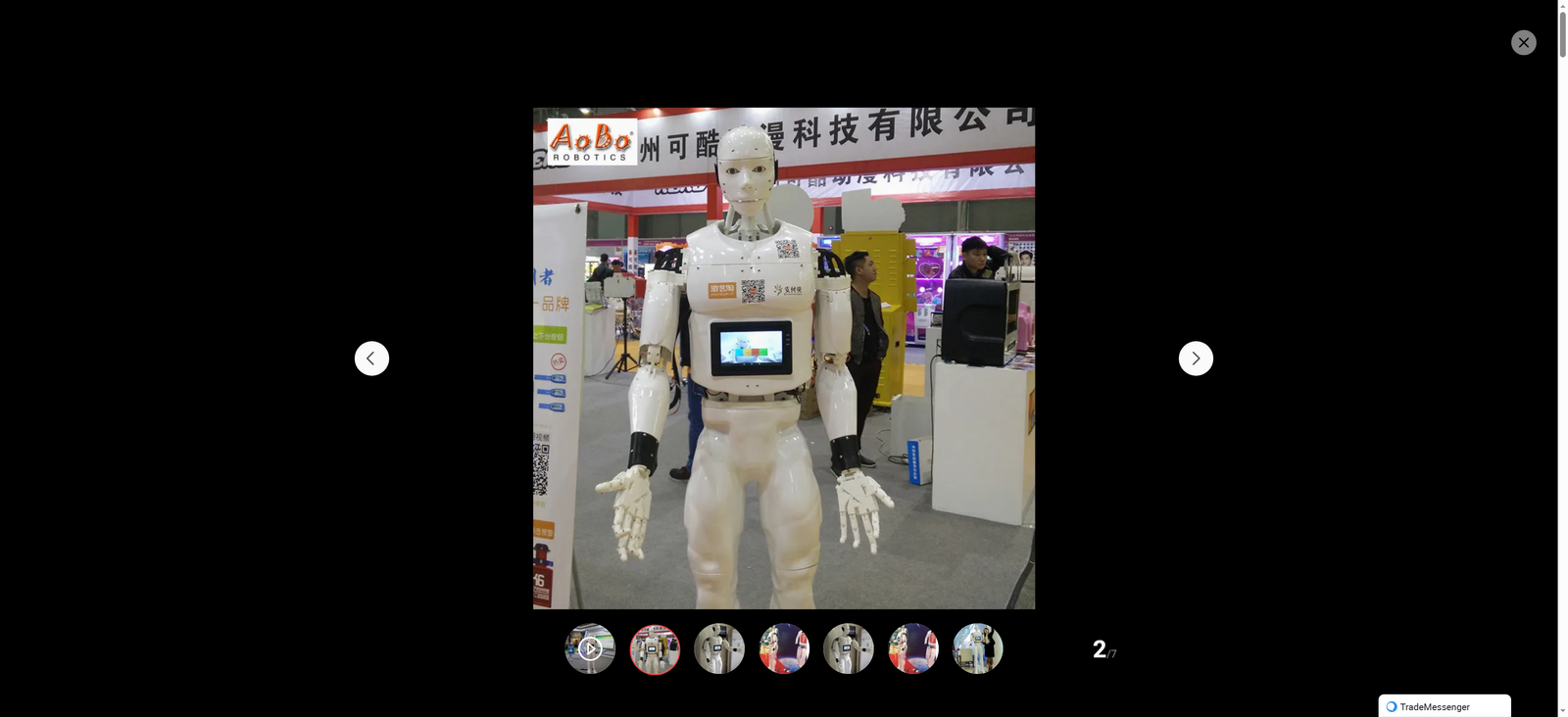
In the digital era, libraries are evolving from traditional repositories of knowledge to smart service hubs, where efficient shelf management has become a core pillar of high-quality service. As collections expand—encompassing books, periodicals, audio-visual materials, and digital resources—traditional manual shelf management faces insurmountable challenges: low efficiency, high error rates, and heavy labor burdens. Against this backdrop, factory custom shelf management high-quality library robots have emerged as game-changers, integrating customization, precision, and reliability to revolutionize how libraries handle shelf operations, bridge the gap between traditional management and smart development, and elevate the overall service level of libraries.
The core value of factory custom shelf management library robots lies in theircustomization capability, which breaks the limitations of standard robots and perfectly adapts to the diverse shelf management needs of different libraries. Every library has unique characteristics: public libraries may have large-scale collections with complex classifications and wide shelf spans; university libraries focus on professional books and academic journals, requiring precise positioning of professional categories; and community libraries have smaller spaces but more frequent material turnover, demanding flexible and compact equipment. Factory customization addresses these differences by conducting in-depth on-site surveys of libraries, analyzing shelf dimensions, collection categories, space layouts, and management processes, then tailoring robot solutions that fit seamlessly into the library’s existing operations.
For shelf management scenarios, customization covers every critical detail. In terms of size, robots can be designed to match narrow shelf aisles (as narrow as 60cm) for dense bookstores or larger models with enhanced load capacity for libraries with heavy materials such as bound periodicals or reference books. In terms of functional customization, robots can be equipped with multi-modal recognition technologies—combining RFID detectors, high-definition cameras, and OCR recognition—to accurately identify book barcodes, call numbers, and even cover information, ensuring precise shelf sorting and retrieval. For libraries with special needs, such as those with multi-floor layouts, custom robots can be integrated with automatic elevator access and laser SLAM navigation to achieve cross-floor shelf management, while those focusing on user interaction can add voice guidance and information inquiry functions to assist readers in locating materials while completing shelf tasks.
Beyond customization, high quality is the fundamental guarantee for these robots to sustain long-term operation in library environments. Libraries require equipment that operates stably for long hours, with high precision and low failure rates—factors that directly affect shelf management efficiency and reader experience. Factory-produced high-quality library robots adhere to strict quality control standards, selecting high-durability materials for their bodies to resist wear and tear from long-term movement in shelf aisles. Their core components—such as navigation systems, mechanical arms, and power modules—are sourced from well-known manufacturers, ensuring stable operation even during peak periods of shelf sorting (such as post-holiday book returns).
The high quality of these robots is also reflected in their precision and intelligence. Equipped with advanced path planning algorithms and environmental perception sensors, they can navigate autonomously through complex shelf layouts, avoiding collisions with readers, staff, or obstacles while maintaining a positioning accuracy of ±2cm—critical for precise book placement and retrieval. In shelf sorting tasks, the robots’ mechanical arms are designed with flexible grippers (equipped with pressure sensors) to handle books of different thicknesses gently, avoiding damage to pages or spines, while achieving a sorting speed of up to 2000 items per hour in large-scale libraries like Helsinki’s Oodi Library. In inventory management, high-quality robots can complete the盘点 of 100,000 books in just a few days—compared to weeks of manual work—with an accuracy rate of over 99%, significantly reducing the workload of library staff and minimizing errors caused by human fatigue.
The application of factory custom shelf management high-quality library robots has brought profound changes to library operations, creating win-win outcomes for both libraries and readers. For library management, these robots have fundamentally solved the pain points of traditional shelf management: they replace manual labor in tedious, repetitive tasks such as book sorting, shelf straightening, inventory checking, and misplacement correction, freeing up staff to focus on more valuable services—such as reader consultation, reading promotion, and personalized guidance. As observed in the Oodi Library, the introduction of shelf management robots freed up two full-time staff members to engage directly with readers, enhancing the library’s service quality and user engagement.
For readers, the robots improve the efficiency of accessing resources. With precise shelf management, books are always placed in their correct positions, reducing the time readers spend searching for materials. Some custom robots are even equipped with interactive screens or voice assistants, allowing readers to query the location of a book and receive real-time guidance to the corresponding shelf—bridging the gap between readers and resources, especially for those unfamiliar with the library’s classification system or with mobility limitations. Additionally, the stable operation of high-quality robots ensures that shelf management tasks are completed efficiently, maintaining a neat and orderly reading environment that enhances the overall reading experience.
As smart libraries continue to develop, the demand for factory custom shelf management high-quality library robots will only grow. Libraries are increasingly recognizing that customized, high-quality robotic solutions are not just a "technological addition" but a "core driving force" for improving operational efficiency and service quality. Factories, in turn, are constantly innovating, integrating emerging technologies such as AI large models, 5G communication, and multi-robot collaboration into their custom solutions—enabling robots to learn library classification rules autonomously, collaborate with multiple units to complete large-scale shelf tasks, and integrate seamlessly with library management systems for real-time data synchronization.
In conclusion, factory custom shelf management high-quality library robots combine the flexibility of customization with the reliability of high quality, perfectly adapting to the diverse needs of modern libraries. They are not only tools for improving shelf management efficiency but also important enablers of smart library construction. As technology continues to advance, these robots will become more intelligent, versatile, and human-centered, helping libraries realize more efficient, refined, and user-friendly management, and continuing to play a vital role in promoting knowledge dissemination and cultural inheritance in the digital age.