
Automatic Auto Door and Call Elevator Intelligent Delivery Service Robot for Hospital
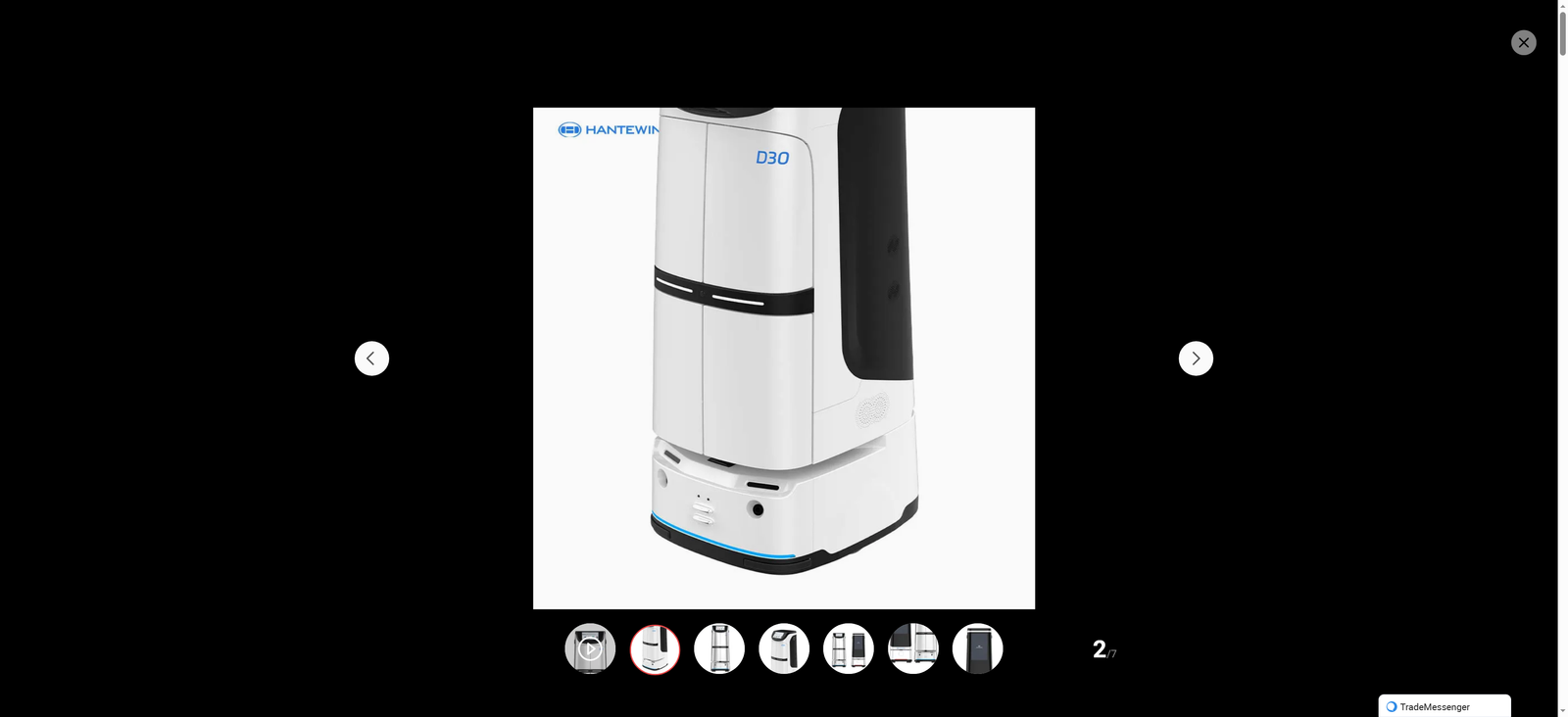
In the modern healthcare system, efficiency, safety, and infection control have become core priorities driving the transformation of hospital logistics. The emergence of the Automatic Auto Door and Call Elevator Intelligent Delivery Service Robot has revolutionized traditional hospital material transportation, addressing long-standing pain points such as heavy manual workloads, low delivery efficiency, and high risks of cross-infection. This intelligent robot integrates automatic door-opening, elevator-calling, autonomous navigation, and material transportation capabilities, becoming an indispensable "intelligent logistics assistant" in hospitals, which optimizes the medical service process and enhances the overall level of hospital intelligence.
The core advantage of the hospital intelligent delivery robot lies in its seamless integration with the hospital's existing infrastructure, particularly its automatic auto door and call elevator functions, which break through the space limitations of traditional manual delivery. Unlike conventional delivery robots that require manual assistance to pass through doors or take elevators, this intelligent robot adopts advanced Internet of Things (IoT) technology and cloud-based intelligent connection technology, enabling real-time communication with the hospital's door control and elevator control systems. When approaching an automatic door, the robot’s built-in infrared sensors and AI visual recognition technology can accurately detect the door’s position and status, automatically triggering the door-opening command to ensure smooth passage without manual intervention. When needing to cross floors, the robot can independently call the designated elevator through the pre-connected elevator control system, automatically select the target floor, and even predict elevator availability to optimize passage efficiency, realizing seamless cross-floor delivery from the material warehouse to various departments, wards, operating rooms, and inspection rooms.
Behind the stable operation of the automatic auto door and call elevator functions is a suite of advanced core technologies that ensure the robot’s intelligence, accuracy, and safety. In terms of navigation and obstacle avoidance, the robot adopts a multi-sensor fusion navigation technology combining AI visual recognition, laser radar, and ultrasonic sensors, which can accurately perceive the complex hospital environment, identify obstacles such as medical staff, patients, stretchers, and medical trolleys in real time, and formulate flexible avoidance strategies to avoid collisions. This technology enables the robot to adapt to the dynamic and complex hospital environment, ensuring safe and efficient operation even in crowded corridors or emergency scenarios. In terms of intelligent control, the robot is equipped with a high-performance central processing unit (CPU) and an intelligent scheduling algorithm, which can automatically plan the optimal delivery route based on the delivery task, avoid elevator waiting time and crowded areas, and maximize delivery efficiency. Additionally, the robot is equipped with a digital twin management module, which can establish a digital twin model of the hospital logistics system, realizing real-time monitoring of the robot’s operation status, delivery progress, and equipment parameters, facilitating unified management and maintenance by hospital staff.
In practical hospital applications, the Automatic Auto Door and Call Elevator Intelligent Delivery Service Robot has demonstrated significant application value, covering nearly 95% of hospital material delivery needs and bringing multiple benefits to hospitals, medical staff, and patients alike. For medical staff, the robot takes over the tedious and repetitive material delivery work, such as transporting drugs, sterile packs, infusion bags, inspection specimens, medical consumables, and even medical waste and linen, freeing up a large amount of time for medical staff to focus on clinical diagnosis, treatment, and care work, thereby improving work efficiency and reducing work pressure. For example, nurses who previously spent 30% of their time on material delivery can now focus more on patient care, enhancing the quality of medical services. For patients, the robot’s efficient and timely delivery ensures that drugs, inspection specimens, and other critical materials can reach the ward or treatment site quickly, shortening the waiting time for diagnosis and treatment. Especially in emergency scenarios such as chest pain centers, the robot can complete the delivery of emergency drugs from the pharmacy to the ward in as short as 90 seconds, winning valuable time for patient rescue.
Safety and reliability are crucial for medical equipment, and the Automatic Auto Door and Call Elevator Intelligent Delivery Service Robot has multiple safety protection mechanisms to ensure the safety of materials and the hospital environment. In terms of material safety, the robot is equipped with a closed storage compartment with independent UV disinfection functions, which can automatically disinfect the compartment after delivery to prevent cross-contamination of materials such as drugs and specimens. For special materials such as chemotherapy drugs and blood products, the robot is equipped with a constant temperature and humidity control system, ensuring the stability and safety of the materials during transportation. In terms of access control security, the robot adopts multiple verification methods such as IC card swiping, fingerprint recognition, and face recognition, ensuring that only authorized personnel can open the storage compartment, avoiding material loss or wrong collection. Moreover, the robot supports video recording and evidence preservation during the delivery process, which can be queried locally or in the cloud, facilitating traceability of material delivery and resolving potential disputes between departments.
With the continuous development of smart medical technology, the Automatic Auto Door and Call Elevator Intelligent Delivery Service Robot is constantly upgrading and iterating to adapt to the growing and diverse needs of hospitals. In the future, with the popularization of 5G technology, the robot will achieve faster data transmission and more stable connection, further optimizing the response speed of automatic door opening and elevator calling, and realizing more efficient multi-robot collaborative scheduling. At the same time, combined with artificial intelligence and big data technology, the robot will have more intelligent functions, such as predicting material demand based on hospital operation data, automatically initiating replenishment tasks, and realizing full-process intelligent management of hospital logistics from warehousing to delivery. In addition, the robot will be more highly customized, adapting to the specific needs of different types and scales of hospitals, such as small and medium-sized hospitals and large comprehensive hospitals, and even realizing personalized customization according to the layout of different departments.
In conclusion, the Automatic Auto Door and Call Elevator Intelligent Delivery Service Robot represents an important achievement in the integration of smart technology and healthcare. Its automatic door-opening and elevator-calling functions break through the space limitations of traditional logistics, its advanced core technologies ensure efficient and safe operation, and its wide application scenarios bring tangible benefits to hospitals, medical staff, and patients. As the construction of smart hospitals continues to deepen, this intelligent delivery robot will play an increasingly important role in optimizing hospital logistics systems, improving medical service quality, and promoting the high-quality development of the healthcare industry. It is not only a "logistics assistant" in hospitals but also a powerful driving force for the transformation and upgrading of modern healthcare services.