
The New Era of Hotel Service: How Room-Delivery Robots Are Reshaping Guest Experience
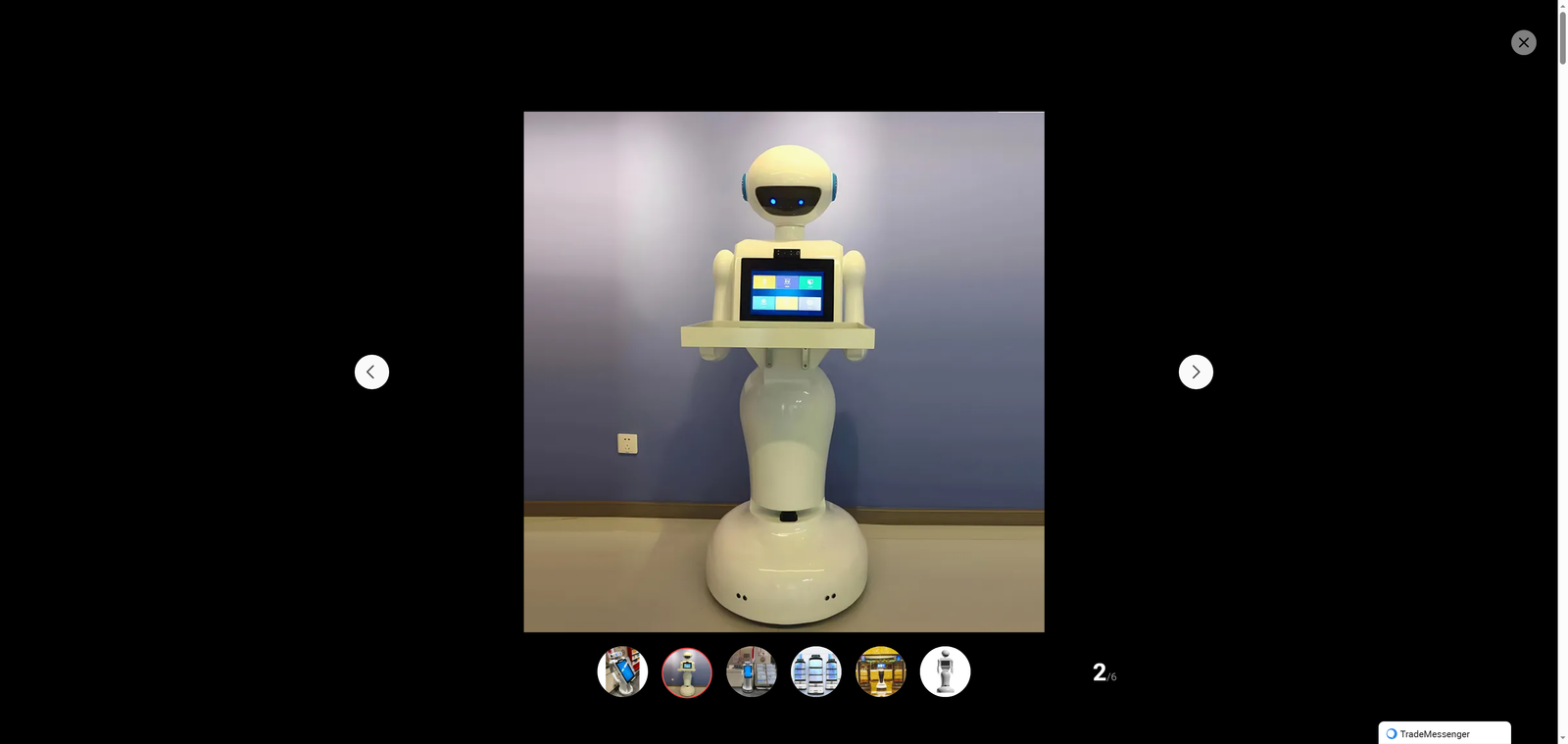
In the fast-paced digital age, the hotel industry is undergoing a profound transformation driven by technological innovation. Among the various smart devices that have emerged, the hotel room-delivery robot stands out as a game-changer, redefining the efficiency, convenience and personalization of hotel services. No longer just a novelty, these intelligent robots have become an indispensable part of modern hotel operations, bridging the gap between guest needs and service quality while injecting a new wave of vitality into the traditional hospitality industry.
The core value of hotel room-delivery robots lies in their ability to solve the pain points of traditional room service with high efficiency and stability. In the past, hotel room service often faced challenges such as long waiting times, uneven service quality and human resource shortages. During peak hours—such as check-in periods, meal times or late at night—housekeeping and service staff are often stretched thin, leading to delayed deliveries of amenities, food, water or other items requested by guests. This not only affects guest satisfaction but also increases the workload and pressure on employees. With room-delivery robots, however, these problems are effectively alleviated. Equipped with advanced navigation systems, including laser radar, visual sensors and map positioning technology, these robots can accurately identify routes in hotels, avoid obstacles such as pedestrians, elevators and doorways, and reach the designated guest room efficiently. Whether it is delivering a bottle of water at 2 a.m. or a plate of snacks during dinner time, the robot can complete the task quickly and on time, ensuring that guest needs are met in a timely manner.
Beyond efficiency, hotel room-delivery robots also enhance the safety and privacy of guest services—two factors that are increasingly valued by modern travelers. In traditional room service, guests need to open the door to strangers, which may bring potential safety risks, especially for solo travelers or guests staying late at night. Room-delivery robots eliminate this concern: guests receive a notification on their mobile phone or the room landline when the robot arrives at the door, and can unlock the robot’s storage compartment through a password, QR code or room card without having to interact with any staff. This contactless service model not only reduces the risk of cross-infection (especially in the post-pandemic era) but also fully respects the privacy of guests, allowing them to enjoy services in a more relaxed and secure environment. Additionally, the robot’s storage compartment is equipped with a closed design and temperature control function, which can keep food fresh or maintain the temperature of hot drinks, ensuring that the delivered items are in the best condition.
For hotel operators, investing in room-delivery robots is also a cost-effective and forward-looking decision. In the long run, although there is an initial investment in purchasing and maintaining robots, they can significantly reduce labor costs. A single robot can replace multiple service staff in completing delivery tasks, operating 24 hours a day without rest, holidays or overtime pay. This not only lowers the hotel’s operational expenses but also reduces the turnover rate of employees, as staff can be reassigned to more valuable service links—such as guest reception, experience consultation and personalized services—that require human care and emotional communication. Moreover, room-delivery robots can collect and analyze service data in real time, such as the types of items frequently requested by guests, peak delivery times and guest feedback. This data provides valuable insights for hotels to optimize their service menus, adjust staffing arrangements and improve overall operational efficiency. For example, if the data shows that many guests request mineral water late at night, the hotel can pre-stock more water in the robot’s compartment to shorten delivery time; if guests often ask for charging cables, the hotel can add this item to the robot’s standard delivery list.
As technology continues to evolve, hotel room-delivery robots are not just limited to basic delivery functions—they are becoming more intelligent and multi-functional. Modern robots are equipped with voice interaction systems, allowing them to communicate with guests in a friendly manner. For example, when a guest meets the robot in the corridor, they can ask it about the hotel’s breakfast time, gym location or nearby attractions, and the robot will respond accurately through voice navigation. Some high-end robots even have facial recognition functions, which can remember frequent guests and provide personalized greetings, enhancing the sense of belonging and experience for guests. In addition, with the integration of the Internet of Things (IoT) technology, robots can be connected to the hotel’s smart room system: guests can directly place orders through the room’s smart screen or mobile app, and the robot will automatically receive the task and deliver the items to the room, forming a seamless smart service chain.
Of course, the popularization of hotel room-delivery robots does not mean that human services are being replaced. On the contrary, robots and human staff complement each other to create a better service experience. Robots take on repetitive, tedious and time-consuming delivery tasks, while human staff focus on providing emotional care and personalized services that robots cannot replicate—such as solving complex guest problems, organizing cultural activities and offering customized travel suggestions. This "human-machine collaboration" model not only improves service efficiency but also retains the temperature of hospitality, which is the core of the hotel industry.
Looking to the future, with the continuous advancement of artificial intelligence, big data and other technologies, hotel room-delivery robots will have broader development prospects. They may become more compact, flexible and intelligent, able to adapt to more complex hotel environments—such as narrow corridors, curved staircases or high-rise buildings. They may also expand their service scope to include laundry delivery, document transmission and even small item storage. For guests, room-delivery robots will become a "personal butler" in the hotel, meeting their diverse needs at any time; for hotels, they will become an important symbol of smart transformation, helping hotels gain a competitive advantage in the increasingly fierce market competition.
In conclusion, the hotel room-delivery robot is more than just a technological product—it is a new benchmark for the upgrading of hotel services. By integrating efficiency, safety, privacy and intelligence, it not only solves the practical problems of hotel operations but also creates a more convenient, comfortable and personalized experience for guests. As the hospitality industry moves towards a smarter future, room-delivery robots will undoubtedly play an increasingly important role, leading the hotel industry into a new era of "technology service".