
Commercial Intelligent Food Delivery Robot: Transforming Service Efficiency Across Restaurants, Airports, and Shopping Malls
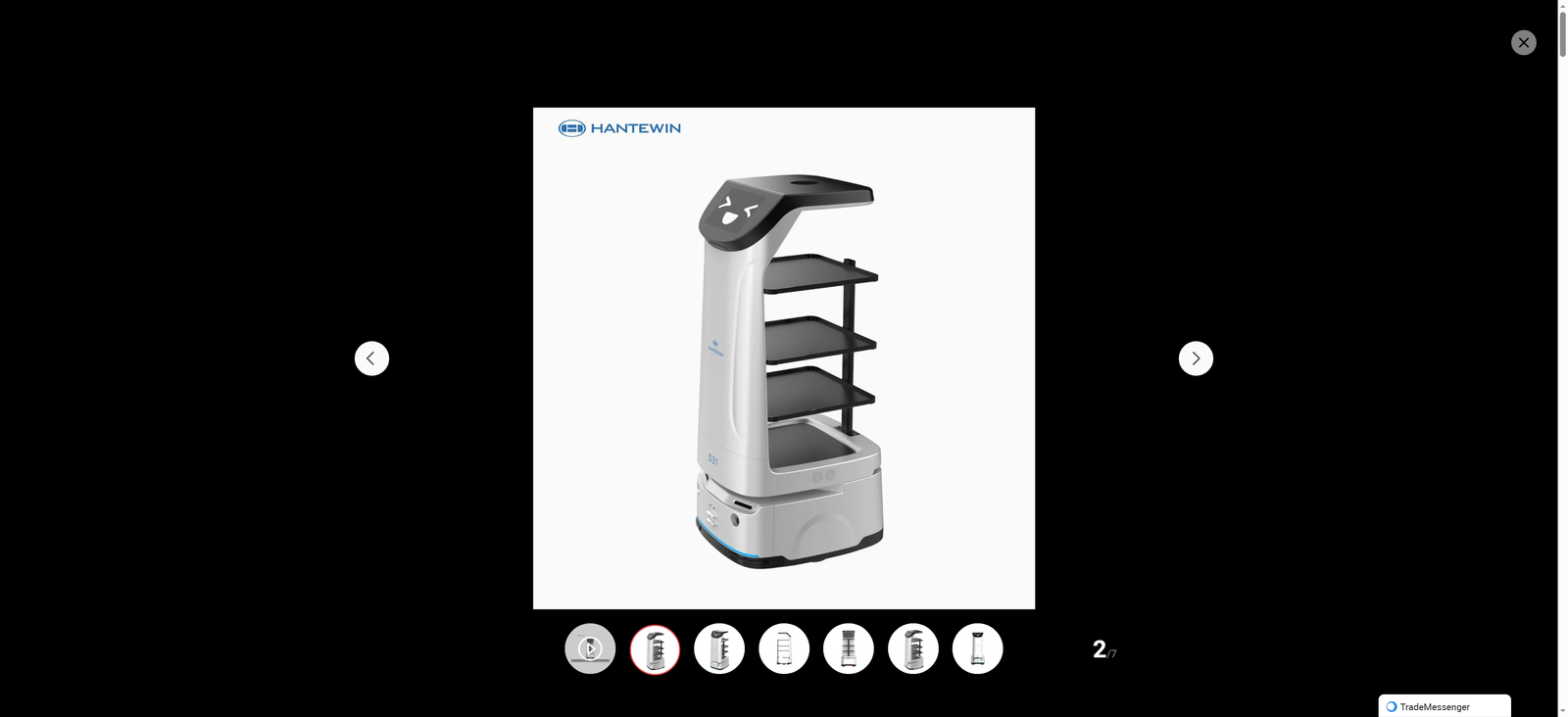
In the era of digital transformation, the integration of intelligent technology has reshaped the way commercial spaces operate, especially in service-oriented industries. Among the innovative solutions emerging, commercial intelligent food delivery robots have become a game-changer, revolutionizing food service experiences in restaurants, airports, and shopping malls. These automated assistants, powered by advanced artificial intelligence (AI), navigation systems, and sensor technology, are no longer just novelty items—they are practical tools that address labor shortages, enhance operational efficiency, and elevate customer satisfaction across diverse commercial scenarios.
Restaurants: Redefining Dining Service with Precision and Efficiency
Restaurants, whether cozy local eateries or large global chains, face persistent challenges such as rising labor costs, inconsistent service quality during peak hours, and the need to optimize table turnover rates. Commercial intelligent food delivery robots are tailor-made to solve these pain points, integrating seamlessly into the dining ecosystem to create a win-win situation for restaurant owners, staff, and customers.
Equipped with laser radar and visual fusion SLAM navigation, these robots can navigate through crowded dining halls, narrow aisles, and dynamic environments with exceptional precision, avoiding obstacles such as diners, chairs, and other staff members in real time. Unlike human servers who experience fatigue, these robots can operate continuously for 8 to 12 hours on a single charge, with low-power automatic recharging capabilities to ensure uninterrupted service. A single robot can deliver 400 to 600 plates of food per day, equivalent to the workload of 2 to 3 human servers, significantly boosting delivery efficiency by 300% compared to traditional manual service. For restaurant owners, this translates to substantial cost savings—each robot can reduce monthly labor expenses by 5,000 to 12,000 yuan, depending on the scenario.
Beyond delivery, these robots offer versatile functions that enhance the overall dining experience. They can act as greeters, welcoming customers at the entrance and displaying menus; serve as table attendants, collecting used dishes to speed up table turnover; and even act as promotional ambassadors, showcasing signature dishes and limited-time offers through built-in screens or voice prompts. For example, a large Chinese chain restaurant, Xijiade, deployed a greeting robot at its entrance, which attracted family customers through singing, dancing, and interactive conversations, completing an average of 220 interactions per day and driving significant foot traffic conversions. For customers, the robots reduce waiting time for food, ensure accurate order delivery with error-proof reminders, and add a touch of technology and fun to the dining experience, ultimately boosting satisfaction and loyalty.
Airports: Elevating Travel Convenience in Fast-Paced Environments
Airports are bustling hubs of activity, where travelers often face long waits, tight schedules, and the need for quick, convenient food options. Commercial intelligent food delivery robots have emerged as a vital addition to airport services, addressing the unique challenges of this high-traffic, time-sensitive environment. Airports span large areas, with food outlets scattered across terminals, and travelers—burdened with luggage—often struggle to access food quickly, especially during peak travel seasons.
Intelligent food delivery robots in airports are designed to cover large distances efficiently, navigating through security checkpoints, boarding gates, and waiting areas with ease. They can be integrated with airport food ordering platforms and mobile apps, allowing travelers to place orders from anywhere in the terminal and have their meals delivered directly to their waiting seats or boarding gates. This eliminates the need for travelers to leave their belongings or stand in long queues, saving valuable time and reducing stress.
These robots are also equipped to handle the unique demands of airport environments, such as dust resistance, temperature adaptability (operating smoothly between 0°C and 40°C), and the ability to carry a variety of food types—from hot meals and snacks to beverages—without spilling or compromising quality. For airport operators, the robots help optimize staff allocation, allowing human employees to focus on more critical tasks such as passenger assistance and security, rather than time-consuming food delivery. For food vendors in airports, the robots expand their reach, enabling them to serve customers in remote areas of the terminal without the need for additional physical outlets, thereby increasing sales and brand exposure.
Shopping Malls: Enhancing Leisure Experiences with On-Demand Service
Shopping malls are more than just retail spaces—they are destinations for leisure, entertainment, and dining. With the rise of experiential consumption, mall operators are increasingly focused on enhancing customer comfort and convenience to attract and retain visitors. Commercial intelligent food delivery robots fit perfectly into this vision, offering on-demand food delivery services that align with the relaxed, unhurried pace of mall visits.
In shopping malls, these robots can deliver food from food courts, cafes, and restaurants to customers anywhere in the mall—whether they are shopping in stores, resting in seating areas, or watching movies in the cinema. Customers can place orders via QR codes, mall apps, or even voice commands, and track their order status in real time through the robot’s integrated system. This flexibility allows visitors to enjoy their favorite foods without interrupting their shopping or leisure activities, significantly improving their overall mall experience.
For mall operators, intelligent food delivery robots contribute to a more modern, tech-savvy brand image, attracting tech-conscious consumers—especially young people and families. They also help optimize the use of mall space, as robots can navigate through crowded areas without requiring additional infrastructure. For food tenants, the robots expand their customer base by breaking the geographical limitations of their physical stores, enabling them to serve customers across the entire mall. In large shopping malls with high foot traffic, robots can also assist in reducing congestion in food courts by minimizing the need for customers to line up for pickup or delivery.
The Future: Evolving with Technology to Meet Diverse Needs
The global market for commercial intelligent food delivery robots is growing at an unprecedented rate, with a projected compound annual growth rate (CAGR) of 23.84% from 2024 to 2032—expected to surge from USD 13.9 billion in 2023 to approximately USD 95.0 billion by 2032. This growth is driven by ongoing technological advancements, rising labor costs, and the increasing demand for contactless, efficient services across commercial spaces.
Future iterations of these robots will feature even more advanced capabilities: improved multi-modal interaction (with higher voice recognition accuracy), enhanced energy efficiency with fast-charging and wireless charging technologies, and better adaptability to complex dynamic environments. They will also integrate more closely with big data and cloud platforms, allowing operators to analyze customer preferences, optimize delivery routes, and customize services based on real-time demand. Additionally, the国产化 of core components—such as sensors and controllers—is expected to drive down costs by 30% or more, making these robots more accessible to small and medium-sized businesses.
While challenges remain—such as initial procurement costs and the need for industry-wide standardization—commercial intelligent food delivery robots have proven their value in restaurants, airports, and shopping malls. They are not replacing human workers but complementing them, taking over repetitive, labor-intensive tasks and freeing up staff to focus on personalized, high-quality service. In restaurants, they streamline operations and reduce costs; in airports, they save travelers time and reduce stress; in shopping malls, they enhance leisure experiences and drive consumption.
As intelligent technology continues to advance, commercial intelligent food delivery robots will become an indispensable part of the commercial landscape, transforming service efficiency and customer experiences across the globe. For businesses looking to stay competitive in the digital age, adopting these automated assistants is not just a trend—it is a strategic investment in the future of service.