
Autonomous Commercial Cleaning Robot Integrating Robotic Floor Scrubber Vacuum Mopping: Transforming Commercial Cleanliness with Intelligence
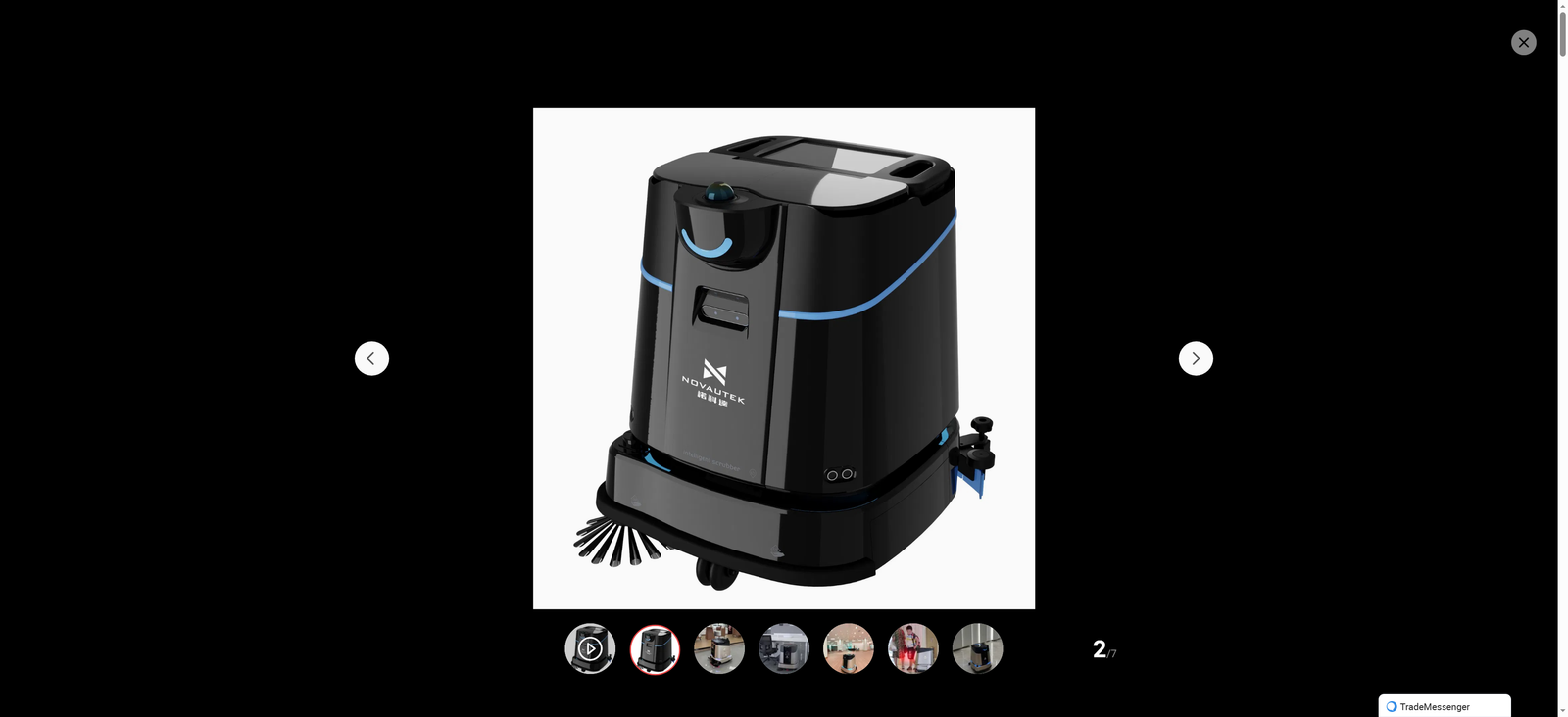
In an era where commercial spaces—from sprawling shopping malls and bustling airports to modern office buildings and high-end hotels—demand consistent, efficient, and high-quality cleaning, the traditional manual cleaning model is increasingly struggling to keep pace. Labor shortages, rising janitorial wages, high staff turnover, and ever-stricter cleanliness expectations post-pandemic have created an urgent need for innovative solutions. Enter the autonomous commercial cleaning robot integrating robotic floor scrubber, vacuum, and mopping functions—a game-changing technology that merges three core cleaning capabilities into a single intelligent device, redefining the standards of commercial cleaning operations.
Unlike conventional cleaning equipment that requires manual operation and can only perform a single cleaning task at a time, the integrated autonomous commercial cleaning robot is designed to address the multifaceted needs of commercial environments through seamless integration of scrubbing, vacuuming, and mopping. This all-in-one design eliminates the need for multiple pieces of equipment, reduces manual intervention, and streamlines the entire cleaning process, making it a cost-effective and efficient alternative to traditional cleaning teams.
At the heart of this revolutionary robot lies a suite of advanced technologies that enable autonomous operation and superior cleaning performance. Navigation and positioning systems, often combining visual and laser technologies, allow the robot to create accurate maps of commercial spaces, plan optimal cleaning routes, and navigate complex environments with ease. Equipped with 3D-TofF depth cameras and laser radars, these robots can intelligently detect and avoid obstacles—whether it’s a misplaced chair in an office, a stroller in a mall corridor, or pedestrians in a hospital hallway—ensuring uninterrupted cleaning and maximum safety. Some advanced models even support autonomous elevator riding, enabling cross-floor cleaning without human assistance.
The integrated cleaning system is the core advantage that sets this robot apart. The vacuum function efficiently suctions dry debris such as dust, crumbs, hair, and sand from both hard floors and carpets, with powerful suction capabilities—up to 20kPa in some models—that penetrate deep into carpet fibers to remove hidden dirt. The floor scrubber component uses high-pressure rotating brushes and specialized cleaning solutions to tackle tough stains, oil marks, and tire tracks, which are common in high-traffic areas like parking garages, airports, and factory floors. Finally, the mopping function ensures a streak-free finish by wiping away residual moisture and remaining dirt, leaving floors clean, dry, and safe for foot traffic in minutes.
Beyond its cleaning capabilities, the autonomous commercial cleaning robot offers a range of practical benefits that cater to the unique needs of commercial operators. One of the most significant advantages is labor optimization: by taking over repetitive, time-consuming tasks like vacuuming, scrubbing, and mopping, the robot allows cleaning teams to be redeployed to high-value tasks such as deep sanitization, disinfection, and detailed cleaning that require a human touch. This not only addresses labor shortages but also improves employee engagement by reducing the monotony of routine cleaning work.
Cost efficiency is another key benefit. While the initial investment in autonomous cleaning technology may seem substantial, the long-term savings are undeniable. These robots reduce labor costs by minimizing the need for overtime pay and additional staff, lower equipment maintenance costs through durable designs and easy-to-replace parts, and decrease cleaning solution waste through precise dosage control. For example, a hotel that deployed such robots reported a 27% reduction in annual cleaning costs and a 3.2-fold increase in daily cleaning area. Additionally, the robots’ ability to operate 24/7—even in low-light or unoccupied spaces—ensures that commercial spaces are consistently clean, enhancing the experience of customers, employees, and visitors alike.
The versatility of the integrated autonomous commercial cleaning robot makes it suitable for a wide range of commercial and industrial scenarios. In shopping malls and supermarkets, it efficiently cleans large open areas, aisles, and entrance halls, adapting to high foot traffic during peak hours with dynamic cleaning schedules. In hospitals, where hygiene standards are critical, the robot’s combination of scrubbing, vacuuming, and mopping, along with optional disinfection features, helps reduce the risk of cross-contamination by minimizing human contact with high-touch surfaces. In airports and train stations, such as深圳北站 (Shenzhen North Railway Station), the robot’s high cleaning efficiency—up to 2040m²/h—relieves the pressure of cleaning vast, high-traffic spaces while ensuring a clean and safe environment for travelers. It also performs exceptionally well in industrial facilities, warehouses, and parking garages, where tough stains and large debris are common challenges.
The integration of IoT (Internet of Things) technology further enhances the value of these cleaning robots. Through cloud-based platforms, facility managers can remotely monitor the robot’s cleaning progress, track performance data, and generate detailed reports for ROI analysis. This data-driven approach allows managers to optimize cleaning schedules, identify areas that require additional attention, and ensure that cleaning operations are both efficient and effective. Some robots also feature self-charging, automatic water refilling, and waste disposal capabilities, reducing the need for manual maintenance and further improving operational efficiency.
As technology continues to advance, the future of autonomous commercial cleaning robots looks even more promising. Ongoing innovations in artificial intelligence (AI), machine learning, and sensor technology will further improve the robots’ navigation accuracy, cleaning performance, and adaptability to complex environments. We can expect to see robots with enhanced obstacle recognition, the ability to learn and adapt to specific cleaning needs, and improved energy efficiency, extending their runtime and reducing their environmental impact. Additionally, the integration of more advanced disinfection technologies—such as UV-C lighting—will make these robots even more valuable in healthcare, food service, and other industries with strict hygiene requirements.
In conclusion, the autonomous commercial cleaning robot integrating robotic floor scrubber, vacuum, and mopping functions is more than just a cleaning tool—it is a transformative solution that addresses the most pressing challenges facing the commercial cleaning industry today. By combining three core cleaning capabilities into a single intelligent device, it delivers consistent, efficient, and cost-effective cleaning, while optimizing labor resources and enhancing the overall cleanliness and safety of commercial spaces. As businesses increasingly prioritize efficiency, hygiene, and customer experience, these integrated autonomous cleaning robots are poised to become an indispensable part of modern commercial operations, driving the industry toward a more intelligent and sustainable future.