
In the era of smart facility management, cleanliness and hygiene have become core indicators of service quality and operational efficiency for hotels, offices, and hospitals. Traditional manual cleaning methods are increasingly struggling to meet the demands of large areas, high frequency, and strict hygiene standards. Against this backdrop, compact cleaning robots controlled by cloud platforms have emerged as a transformative solution. By integrating cloud computing, IoT (Internet of Things), and intelligent navigation technologies, these robots not only optimize the cleaning process but also bring a new paradigm of centralized, data-driven facility management to diverse commercial and public service scenarios.
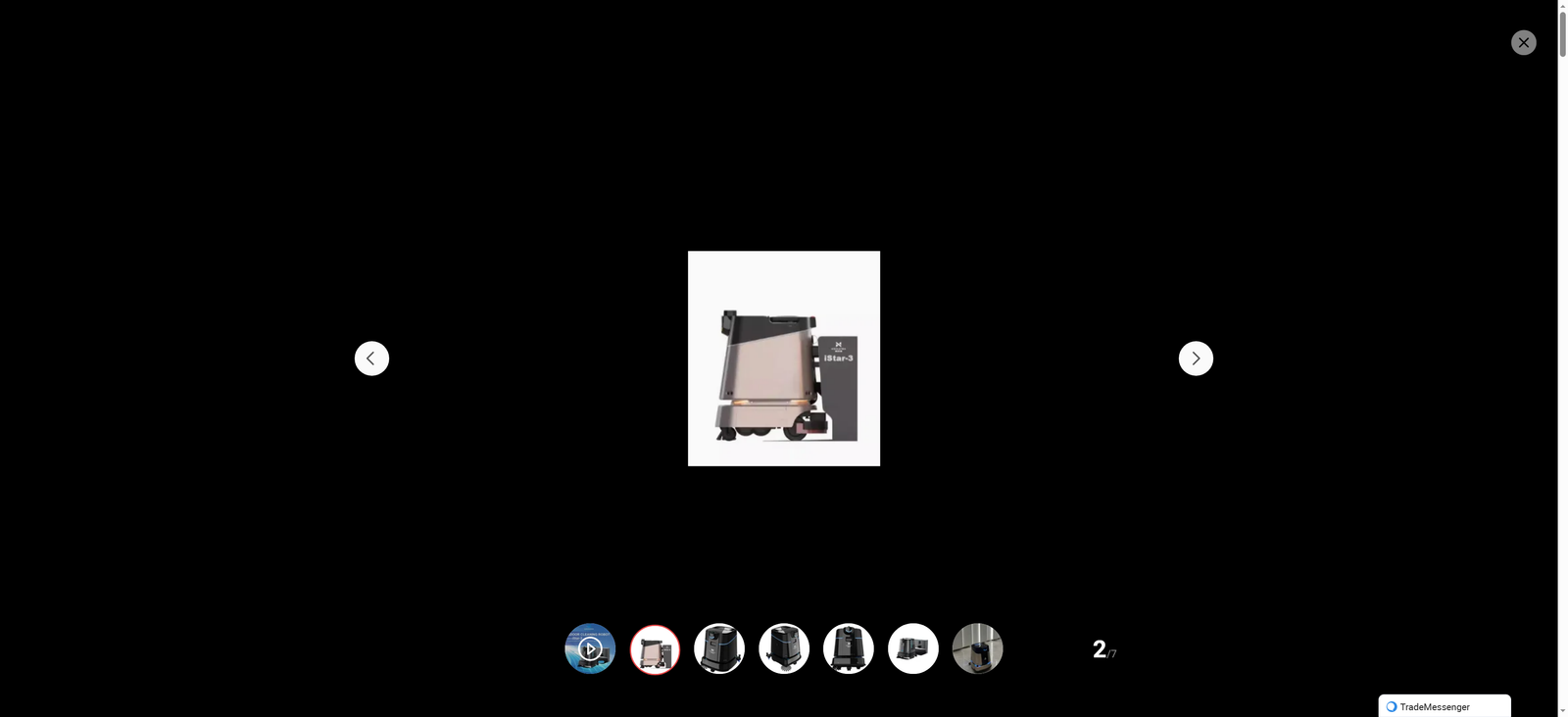
The core advantage of cloud platform control lies in its ability to break through the limitations of standalone equipment, enabling unified scheduling, real-time monitoring, and remote management of multiple compact cleaning robots. For large-scale venues such as chain hotels, office buildings, and comprehensive hospitals, which often have scattered cleaning areas and complex spatial layouts, the cloud platform acts as a "central nervous system." Managers can issue cleaning tasks, adjust work routes, and set cleaning parameters (such as water pressure, suction power, and cleaning time) for each robot through a web-based or mobile terminal. This centralized control eliminates the need for on-site supervision of each device, greatly reducing labor costs and improving management efficiency. For example, in a chain hotel with multiple branches, the headquarters can use the cloud platform to uniformly formulate cleaning standards and monitor the execution status of each branch's robots, ensuring consistent service quality across the board.
Compact design is another key feature that makes these robots suitable for diverse scenarios, and the cloud platform further amplifies this adaptability. Hotels, for instance, have narrow corridors, crowded lobby areas, and guest rooms with complex layouts. Compact cleaning robots can easily navigate through narrow spaces, move around furniture, and avoid obstacles—capabilities enhanced by the cloud platform's real-time data analysis. The platform collects navigation data from each robot, optimizes path planning algorithms, and pushes updated navigation strategies to the robots, enabling them to clean guest rooms, corridors, and public areas more efficiently without disturbing guests. In office environments, where cleaning needs to be completed during non-working hours (such as evenings or weekends), the cloud platform allows managers to schedule robot tasks in advance. Robots can automatically start cleaning at the designated time, and managers can check the cleaning progress and completion status in real time through the platform, ensuring that the office is tidy and hygienic for employees the next working day.
Hospitals, with their strict requirements for hygiene and sterility, benefit significantly from cloud-platform-controlled compact cleaning robots. Medical environments have high risks of cross-contamination, and manual cleaning is prone to human error. Compact robots can reach hard-to-clean areas such as under hospital beds, beside medical equipment, and in narrow corridors, performing disinfection and cleaning tasks with high precision. The cloud platform plays a crucial role in ensuring the effectiveness of these tasks: it can record the disinfection time, area, and concentration of disinfectants used by each robot, generating traceable reports for medical supervision. In addition, if a robot detects an unexpected contamination area (such as a spill of medical waste), it can immediately send an alert to the cloud platform, prompting managers to dispatch personnel or other robots for emergency handling. This real-time response capability helps hospitals maintain a sterile environment and reduce the risk of infection.
Beyond scheduling and monitoring, the cloud platform also provides data-driven insights for facility management optimization. By collecting and analyzing operational data from cleaning robots—such as cleaning efficiency, energy consumption, maintenance needs, and area coverage—managers can identify bottlenecks in the cleaning process. For example, if data shows that a certain area in an office building requires frequent re-cleaning, managers can adjust the robot's cleaning frequency or optimize the path to address the issue. For hotels, data on cleaning time per guest room can help optimize housekeeping workflows, improving the efficiency of room turnover. In hospitals, data on disinfection effectiveness can guide the adjustment of disinfection strategies, ensuring compliance with medical hygiene standards. Moreover, the cloud platform enables predictive maintenance of robots: by monitoring the robot's operational status (such as battery life, motor performance, and sensor accuracy), the platform can predict potential failures and send maintenance alerts in advance, reducing downtime and extending the service life of the equipment.
As technology continues to advance, cloud-platform-controlled compact cleaning robots are poised to become even more intelligent and integrated. Future developments may include the integration of AI (Artificial Intelligence) for more advanced obstacle avoidance and scene recognition, as well as the connection of robots with other smart devices in the venue (such as smart lighting and air conditioning) through the cloud platform, creating a fully integrated smart facility management ecosystem. For example, in a smart hospital, cleaning robots can coordinate with air conditioning systems to adjust air flow during disinfection, enhancing the effectiveness of sterility control. In hotels, robots can interact with guest room management systems to prioritize cleaning for check-out rooms, improving operational efficiency.
In conclusion, cloud-platform-controlled compact cleaning robots are reshaping the cleaning and facility management landscape for hotels, offices, and hospitals. By combining the flexibility of compact design with the power of cloud-based centralized management, these robots not only improve cleaning efficiency and quality but also reduce costs and enhance the safety and sustainability of facility operations. As smart facility management becomes increasingly prevalent, the role of cloud-platform-controlled cleaning robots will become more indispensable, driving a new era of clean, efficient, and intelligent environments in commercial and public service sectors.