
In the era of digital transformation, artificial intelligence (AI) has gradually penetrated into various fields of social life, bringing unprecedented changes to service models. Among them, AI smart robots, as an important carrier of intelligent services, have emerged prominently in public service scenarios such as hotels, sanatoriums and airports. Focusing on the core demand of "information inquiry", these robots rely on advanced technologies such as natural language processing, big data analysis and voice recognition to break through the limitations of traditional manual services, and build a more efficient, accurate and user-friendly service experience. From the moment passengers step into an airport, to tourists checking into a hotel, and even the daily consultation of the elderly in a sanatorium, AI smart robots have become reliable "service receptionists", injecting new vitality into the modern service industry.
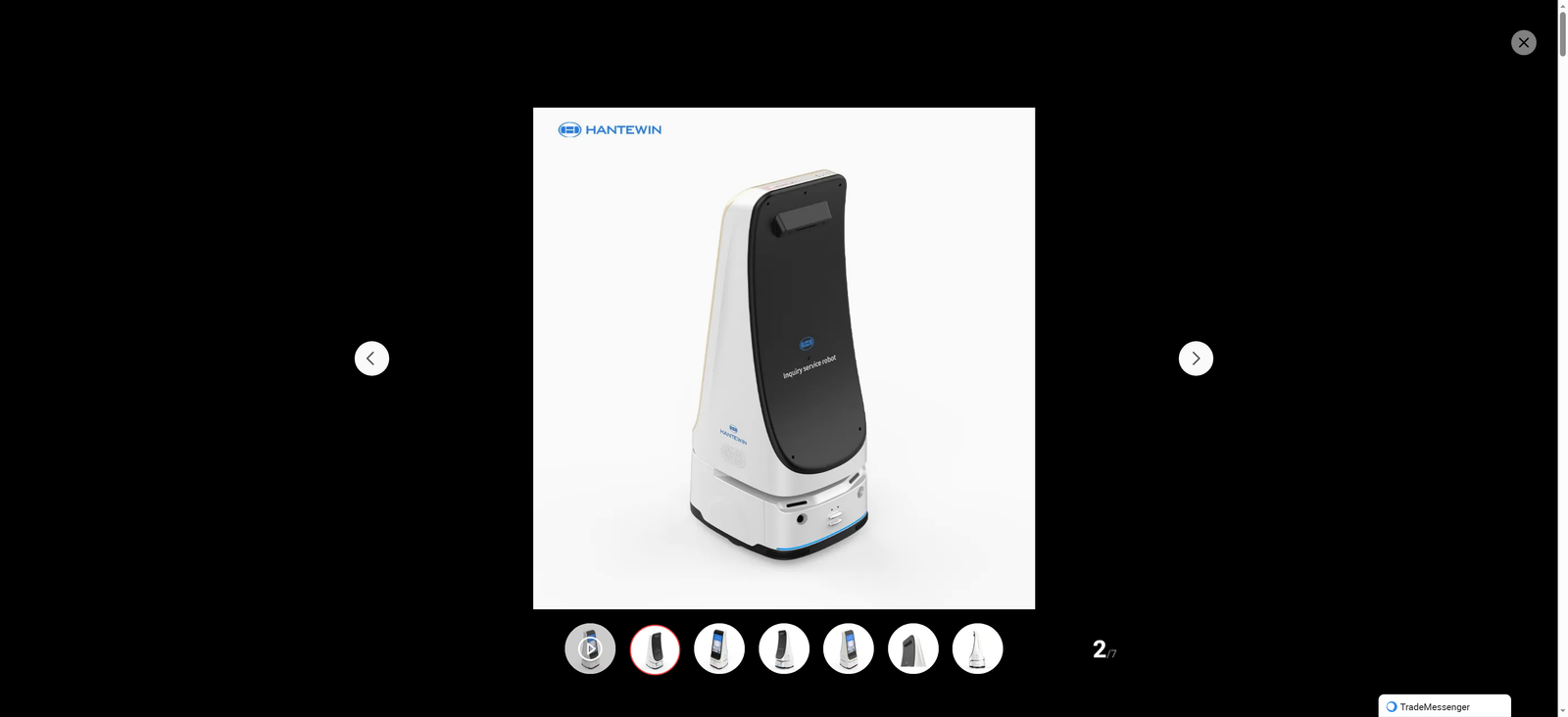
In the hotel industry, the application of AI smart robot receptionists has subverted the traditional front desk service model, especially in optimizing the information inquiry link. For tourists who are not familiar with the hotel environment, the most common needs include inquiries about room types, room rates, catering services, fitness centers, conference room reservations, and surrounding scenic spots. In the past, such inquiries often required queuing at the front desk, which was time-consuming and inefficient. Today, AI smart robots placed in hotel lobbies can respond to user needs in real time. Equipped with high-precision voice interaction modules, they can accurately understand users' natural language questions, whether it is a clear inquiry like "What are the types of rooms available today and their prices?" or a more vague demand such as "I need a quiet room close to the elevator", the robot can quickly retrieve relevant information from the hotel's background database and give detailed answers. In addition, some high-end hotel robots can also display relevant pictures and text information through the touch screen on their bodies, such as the layout of the restaurant, the opening hours of the swimming pool, etc., allowing users to obtain information more intuitively. This not only reduces the work pressure of the front desk staff, but also shortens the time for users to wait for inquiries, greatly improving the overall check-in experience.
The application of AI smart robots in sanatoriums is more focused on the personalized and humanized needs of special groups such as the elderly and patients. Sanatoriums, as places that integrate health care, rehabilitation and rest, the information needs of users are mostly related to medical services, rehabilitation training, daily schedules and health knowledge. For example, the elderly may often ask "When is the physical examination arranged today?", "What should I pay attention to after the rehabilitation training?", and family members may inquire about "How is the health status of the elderly recently?". Considering that some elderly users may have unclear speech or slow reaction, AI smart robots in sanatoriums are optimized for voice recognition accuracy and interaction speed. They can identify dialects to a certain extent and adjust the speech speed and volume according to the user's hearing ability. At the same time, combined with the user's health file in the background, the robot can provide personalized information answers, such as reminding the elderly of the time of taking medicine and the content of rehabilitation exercises. In addition, for users who are inconvenient to move, the robot can also realize mobile inquiry services through autonomous navigation, going to the user's room to answer questions, which greatly facilitates the life of the elderly and patients, and makes the service of the sanatorium more warm and considerate.
Airports, as important transportation hubs with large passenger flow and complex information, have always been a key scenario for the application of AI smart robots. The information needs of passengers here are diverse and urgent, including flight inquiry, check-in process, baggage claim, airport layout, transportation transfer, and catering and shopping information. In the past, passengers often needed to find information desks or check through electronic screens, which was not convenient enough. AI smart robots in airports have become "mobile information centers" that can move freely in the terminal. Passengers only need to approach the robot and ask questions such as "What time does flight CA1234 take off?", "Where is the check-in counter for Air China?", and the robot can quickly give accurate answers. Some advanced airport robots can also generate the optimal route according to the passenger's destination (such as the boarding gate, toilet, restaurant) and guide the passenger to the destination through voice prompts and screen navigation. In addition, in the case of flight delays or cancellations, the robot can also take the initiative to push relevant information to passengers, helping passengers grasp the latest flight dynamics in a timely manner. By efficiently solving the information inquiry needs of passengers, AI smart robots have effectively alleviated the congestion of airport service windows and improved the operational efficiency of the airport.
The widespread application of AI smart robots in hotels, sanatoriums and airports is not only a manifestation of technological progress, but also a reflection of the transformation of the service industry towards refinement and intelligence. Behind these robots is the strong support of technologies such as AI algorithm optimization, big data integration and Internet of Things connection. With the continuous development of technology, future AI smart robots will have more powerful functions. For example, they may realize more in-depth emotional interaction, accurately perceive the user's emotional state and adjust the service mode; they may also integrate more service links, such as completing room reservations, ticket purchases and other operations while answering inquiries. However, it should be noted that the application of AI smart robots does not mean replacing manual services. Instead, they complement each other with manual services. In scenarios that require human care and emotional communication, manual services still play an irreplaceable role. The combination of intelligent robots and manual services will build a more perfect service system for the public.
In conclusion, AI smart robots have brought revolutionary changes to the information inquiry service in hotels, sanatoriums and airports. They have improved service efficiency, optimized user experience, and promoted the upgrading and development of the modern service industry. With the continuous innovation of artificial intelligence technology, we have reason to believe that these smart "service receptionists" will play a more important role in more fields in the future, bringing more convenience and surprises to people's life and travel.