
Bidirectional Magnetic Strip Tracking AGV Robot: Redefine Efficient Logistics with 50kg Intelligent Handling
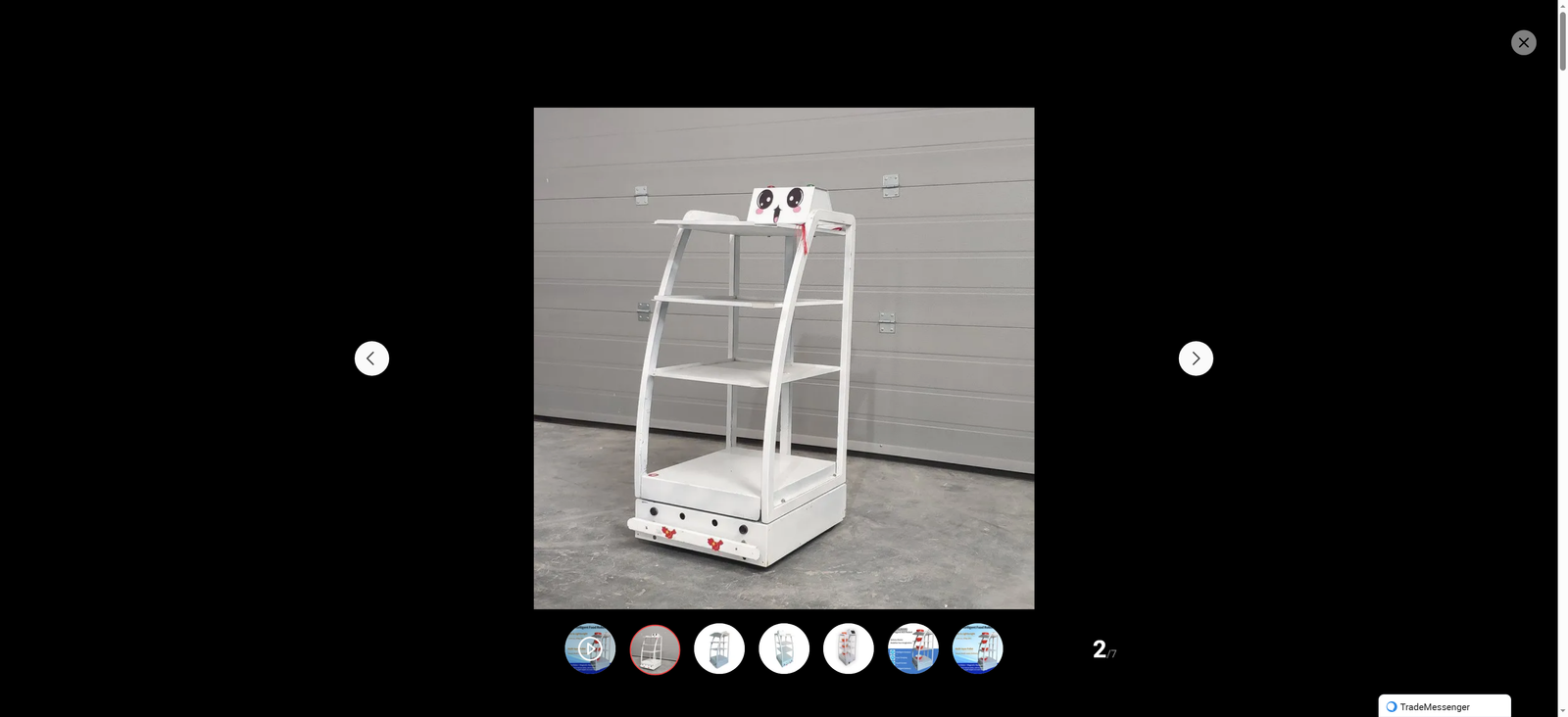
In the era of intelligent logistics transformation, automated handling equipment has become the core driving force for enterprises to improve efficiency, reduce costs and enhance competitiveness. Among numerous intelligent handling solutions, the Bidirectional Magnetic Strip Tracking AGV Robot stands out with its unique technical advantages and flexible application capabilities, especially in scenarios requiring medium-load, high-precision and unmanned operation. With 50kg intelligent handling capacity, unmanned automatic navigation and strong logistics adaptability, it is gradually penetrating into various industries, injecting new vitality into the modern logistics system and realizing the leap from "manual handling" to "intelligent transportation".
As the core highlight of this AGV robot, bidirectional magnetic strip tracking technology lays a solid foundation for its stable and efficient operation. Different from the traditional single-direction AGV, this robot adopts advanced magnetic induction navigation principle, relying on the magnetic strip laid on the ground (which is made of ferrite magnetic materials, with periodic NS pole sequence inside) to realize bidirectional precise tracking and movement. The magnetic sensor installed at the bottom of the robot, including multiple electromagnetic induction coils, can real-time detect the magnetic field intensity and direction generated by the magnetic strip, and transmit the signal to the controller timely. The controller calculates the lateral offset and heading angle deviation between the robot and the magnetic strip path through professional algorithms, and adjusts the driving speed and steering angle of the robot through the drive system, ensuring that the navigation accuracy is controlled within ±10mm, and the robot can move stably along the preset path in both positive and negative directions without manual intervention. This bidirectional movement design effectively solves the problem of low efficiency caused by the need for U-turn adjustment of single-direction AGV in narrow spaces, greatly improving the space utilization rate and handling efficiency of the workshop or warehouse. At the same time, the magnetic strip navigation method has strong anti-interference ability, which can adapt to the harsh working environment with oil pollution, dust and strong light, and maintain stable operation for a long time with low maintenance cost.
The 50kg intelligent handling capacity of the Bidirectional Magnetic Strip Tracking AGV Robot is tailor-made for the medium-load handling needs of most enterprises, filling the gap between light-load and heavy-load AGV equipment. In practical application, the robot is equipped with a high-stability carrying platform and an intelligent lifting mechanism, which can stably carry various materials such as cartons, electronic components, mechanical parts, medical boxes and other items with a weight of less than 50kg, and realize automatic picking, transporting and placing of materials. Whether it is the transfer of raw materials between production lines, the transportation of semi-finished products to the processing area, or the distribution of finished products to the storage area, this robot can complete the handling task efficiently and accurately. Compared with manual handling, it not only avoids the damage of materials caused by human error, but also reduces the labor intensity of workers, solves the problem of high labor cost and difficult recruitment in the handling link, and helps enterprises reduce the operation cost while improving the handling quality. In addition, the robot's handling process can be linked with the enterprise's intelligent management system, realizing real-time monitoring and scheduling of the handling task, and ensuring the traceability of the material flow, which lays a foundation for the informatization and intelligent management of the enterprise.
Unmanned automatic navigation is another core advantage of this AGV robot, which truly realizes the "unmanned operation" of the handling link. Based on the magnetic strip tracking navigation technology, the robot can automatically plan the optimal movement path according to the preset program and on-site actual needs, and complete the handling task independently without manual driving or guidance. It is equipped with a high-performance control system and multiple safety protection devices, including 360° laser radar, collision sensor, emergency stop button and acousto-optic alarm device, which can real-time detect the obstacles on the movement path, automatically decelerate or stop to avoid collision when encountering obstacles, and issue an alarm prompt to ensure the safety of the robot itself, materials and on-site personnel. At the same time, the robot supports 24-hour continuous operation, and can automatically return to the charging pile for charging when the power is low (supporting manual and automatic charging modes), with a battery cycle life of more than 1500 times, ensuring the continuity and stability of the handling work, and fully adapting to the 24-hour production and operation needs of enterprises such as e-commerce warehouses and electronic factories. This unmanned operation mode not only improves the handling efficiency, but also avoids the potential safety hazards caused by manual operation, creating a safer and more efficient working environment for enterprises.
Strong logistics adaptability enables the Bidirectional Magnetic Strip Tracking AGV Robot to break through the limitations of application scenarios and be widely used in various industries and logistics links. It can be flexibly applied in electronics, machinery, automobile, medicine, food, logistics and warehousing, e-commerce and other industries, and adapt to different working environments such as workshops, warehouses, clean rooms and cold storage. In the electronic factory, it can realize the automatic transportation of electronic components between SMT production lines and assembly stations, ensuring the timely supply of materials and improving the production efficiency of the production line; in the logistics warehouse, it can complete the automatic distribution of goods, reduce the workload of warehouse keepers, and improve the efficiency of warehousing management; in the medical field, it can stably transport medical supplies and samples in the clean workshop or cold storage, avoiding cross-contamination caused by manual handling; in the automobile manufacturing industry, it can transport auto parts between various assembly links, ensuring the smooth progress of the assembly work. In addition, the robot has a compact structure and small volume, which can flexibly move in narrow channels (even 800mm wide channels), and can be flexibly adjusted according to the changes of the on-site layout and handling needs, without large-scale transformation of the existing workshop or warehouse, which greatly reduces the transformation cost of enterprises and improves the flexibility of the logistics system. It can also realize multi-vehicle collaborative scheduling through the upper computer system, complete complex handling tasks together, and further improve the logistics operation efficiency.
With the continuous deepening of intelligent logistics construction, the demand for efficient, intelligent and flexible handling equipment is increasing day by day. The Bidirectional Magnetic Strip Tracking AGV Robot, with its bidirectional magnetic strip tracking technology, 50kg intelligent handling capacity, unmanned automatic navigation and strong logistics adaptability, has become an important choice for enterprises to realize logistics automation transformation. It not only helps enterprises improve handling efficiency, reduce operation costs and ensure handling safety, but also promotes the transformation and upgrading of the logistics industry, accelerating the process of intelligent logistics development. In the future, with the continuous innovation and upgrading of technology, this AGV robot will be more intelligent and humanized, adapt to more complex application scenarios, and create greater value for the development of enterprises and the progress of the logistics industry.