
Autonomous Food Delivery Robots & Robotic Service Waitresses: Revolutionizing Hospitality Services
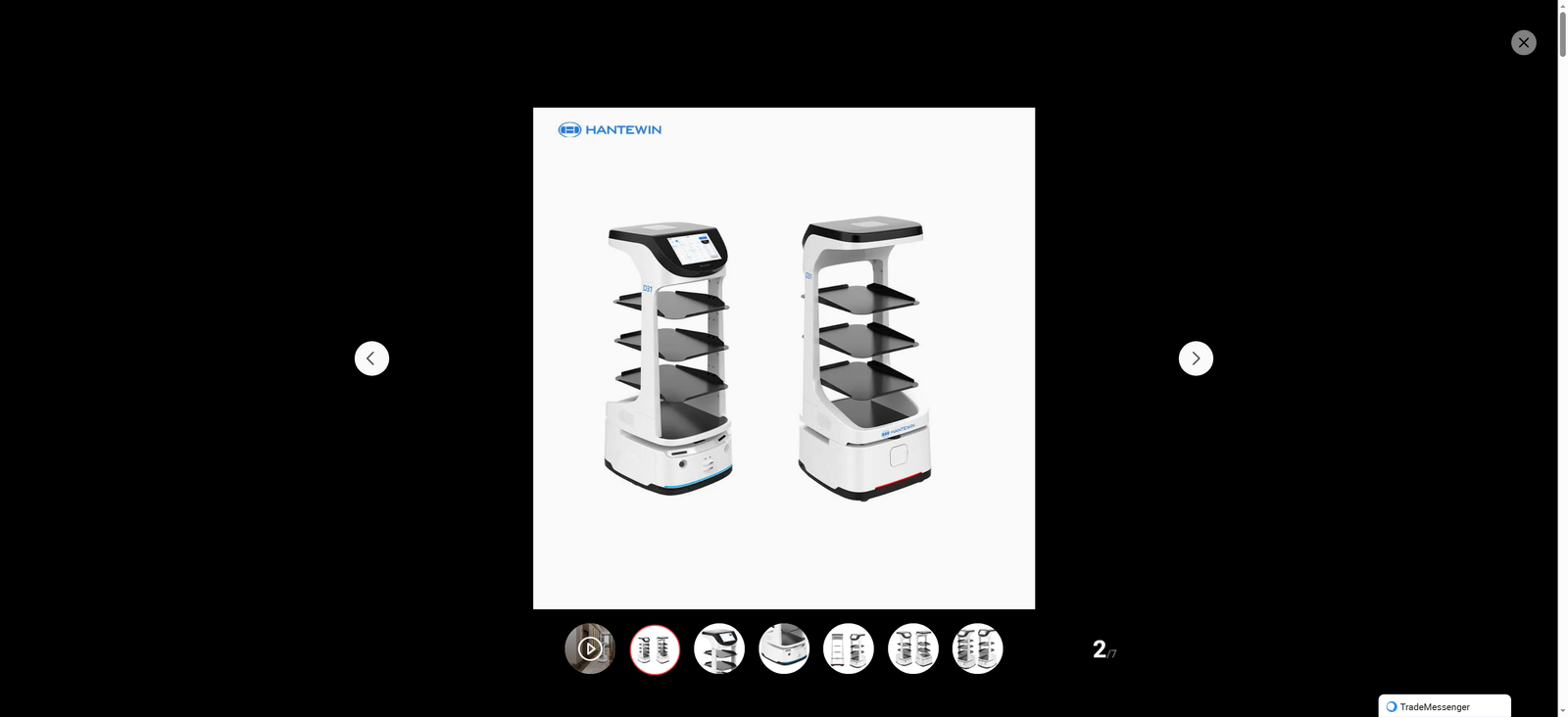
In the dynamic landscape of hotels, restaurants, and cafes, the pursuit of efficiency, hygiene, and exceptional customer experience has always been a core driver of innovation. Today, autonomous food delivery robots and robotic service waitresses are emerging as transformative forces, redefining service standards and reshaping operational models across the hospitality industry. These intelligent robotic solutions are not just technological gimmicks—they are practical tools that address critical pain points for businesses while creating memorable interactions for customers.
The Rise of Robotic Services in Hospitality: A Necessity-Driven Evolution
The hospitality sector has long grappled with challenges such as labor shortages, rising人力成本 (labor costs), and the need to maintain consistent service quality during peak hours. The post-pandemic era further amplified the demand for contactless services, pushing businesses to adopt solutions that minimize human-to-human interaction without compromising service efficiency. Autonomous food delivery robots and robotic service waitresses perfectly align with these needs, offering a reliable, cost-effective, and hygienic alternative to traditional manual services.
Market data underscores this trend: the global intelligent food delivery robot market is projected to grow at a compound annual growth rate (CAGR) of over 30%, with hospitality venues accounting for the largest share of adoption. From high-end hotels to casual cafes and bustling restaurants, businesses are increasingly recognizing the value of integrating robotic services into their daily operations.
Autonomous Food Delivery Robots: Precision, Efficiency, and Hygiene Redefined
Autonomous food delivery robots are engineered to streamline the food transportation process, from kitchen to table or guest room, with unmatched precision and consistency. Equipped with advanced navigation technologies such as dual SLAM (Simultaneous Localization and Mapping) and laser radar, these robots can effortlessly navigate through crowded spaces, avoid obstacles in real-time, and reach their destinations with pinpoint accuracy—even in complex layouts of hotels and restaurants.
One of the key advantages of these robots is their ability to operate continuously without fatigue. Unlike human staff, they can maintain peak performance during lunch rushes, dinner services, or late-night hours, significantly reducing customer wait times. For instance, a medium-sized restaurant using autonomous delivery robots can cut customer waiting time by 25-30% and increase table turnover by 17-20%, directly boosting revenue potential . Moreover, these robots boast impressive load capacities—some models can carry up to 40 kg of food or beverages across multiple trays, eliminating the need for multiple trips and optimizing workflow efficiency.
Hygiene is another critical benefit. By reducing human contact with food during delivery, autonomous robots minimize the risk of cross-contamination, a priority for both customers and businesses in the post-pandemic world. Many models also feature easy-to-clean surfaces and enclosed compartments to keep food fresh and safe, further enhancing food safety standards.
Robotic Service Waitresses: Blending Technology with Human-Like Warmth
Robotic service waitresses take customer interaction to the next level, combining the efficiency of automation with a friendly, engaging demeanor. Designed with bionic aesthetics and multi-modal interaction capabilities, these robots can greet customers, take orders, deliver food and beverages, and even provide basic information about menu items—all while maintaining a charming and approachable presence.
In hotels, robotic service waitresses excel at fulfilling guest requests promptly, whether delivering room service, fresh towels, or minibar refills. A hotel in Guangzhou reported that its robotic staff completed 4,750 tasks in just three months, covering 460,000 meters of delivery distance—equivalent to the workload of multiple full-time staff . In cafes and restaurants, they complement human servers by handling routine tasks, allowing staff to focus on providing personalized service, such as recommending dishes or addressing complex customer needs.
These robots are also highly adaptable to different service scenarios. They can operate in low-noise mode to preserve the ambiance of fine-dining restaurants, use voice announcements to attract customers in casual cafes, and even navigate multi-floor venues with ease. With extended battery life—many models can work 24 hours on a 4-hour charge—and replaceable batteries, they ensure uninterrupted service throughout the day .
Business Value: Beyond Efficiency to Sustainable Growth
For hospitality businesses, the investment in autonomous food delivery robots and robotic service waitresses translates to tangible financial and operational benefits. The most significant impact is on labor cost reduction—restaurants using robotic delivery systems can lower related labor costs by up to 58% compared to traditional manual service . Unlike human employees, robots do not require salaries, benefits, or training updates, and their operational costs are limited to charging and routine maintenance.
Additionally, these robots enhance operational consistency. They eliminate human errors such as incorrect orders or delayed deliveries, ensuring that every customer receives the same high-quality service. This consistency boosts customer satisfaction and loyalty, as evidenced by a survey showing that 83% of customers are satisfied or very satisfied with robotic delivery services .
Furthermore, robotic services serve as a unique marketing tool. The novelty of interacting with robotic waitresses or receiving food from an autonomous robot creates a memorable experience for customers, encouraging them to share their visits on social media. This word-of-mouth promotion helps businesses attract new customers and differentiate themselves in a competitive market.
Future Outlook: Intelligent Robotics Shaping the Next Era of Hospitality
As technology advances, autonomous food delivery robots and robotic service waitresses will become even more intelligent and versatile. Future iterations may integrate AI-driven customer preference analysis, allowing them to recommend dishes based on individual tastes, or multi-language support to cater to international guests. The integration of 5G technology will further enhance their navigation speed and real-time responsiveness, making them an indispensable part of smart hospitality ecosystems.
For hotels, restaurants, and cafes looking to stay ahead of the curve, adopting these robotic solutions is no longer a choice but a strategic imperative. They not only solve immediate operational challenges but also position businesses as innovative, customer-centric, and future-ready.
In conclusion, autonomous food delivery robots and robotic service waitresses are transforming the hospitality industry by merging efficiency, hygiene, and customer engagement. By embracing these intelligent tools, businesses can unlock new levels of productivity, reduce costs, and deliver exceptional experiences that keep customers coming back. The future of hospitality is here—and it’s robotic.