
Autonomous Food Delivery Robots: Transforming Service Experience in Cafes and Hotels
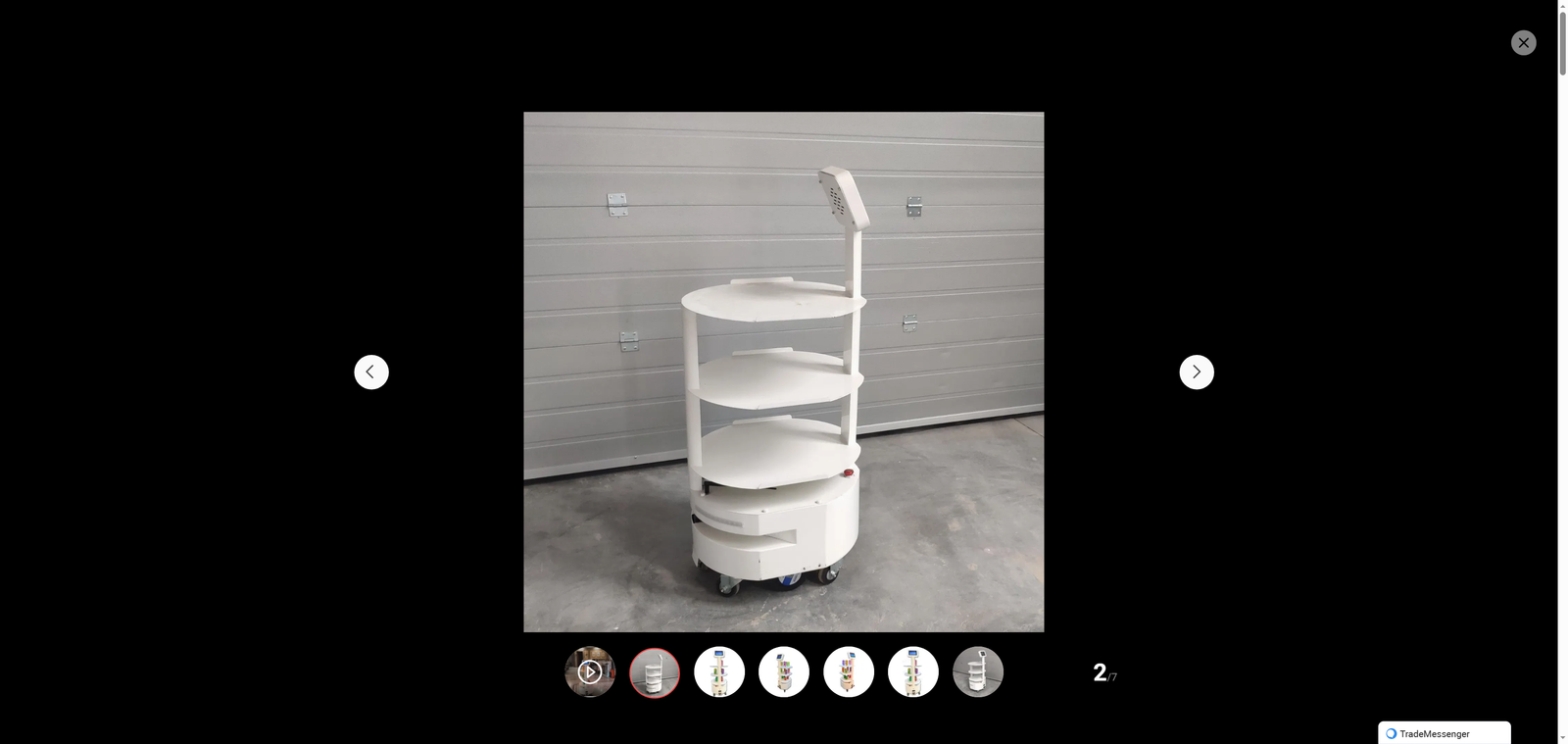
In the era of rapid technological evolution, the integration of artificial intelligence and robotics has reshaped the landscape of service industries. Among the most notable innovations is the emergence of autonomous food delivery robots—self-driving waiters that have gradually become indispensable in cafes and hotels. These intelligent machines are not merely novel gadgets; they are redefining efficiency, customer experience, and operational models, bringing a new wave of transformation to the hospitality and F&B sectors.
Cafes and hotels, as spaces that prioritize customer satisfaction and service efficiency, have long been seeking ways to optimize their operations. Traditional service models rely heavily on human waiters, who often face heavy workloads—from taking orders and delivering food to responding to customer inquiries—especially during peak hours. This not only leads to fatigue and potential errors but also may result in long waiting times that affect customer satisfaction. Autonomous food delivery robots step in to solve these pain points, acting as reliable "colleagues" to human staff.
One of the core advantages of these self-driving waiters is their unmatched efficiency and stability. Equipped with advanced sensors, GPS positioning, and obstacle avoidance systems, they can navigate seamlessly through crowded cafes, narrow hotel corridors, and complex dining areas. Unlike human staff who may get distracted or tired, robots can work 24 hours a day without interruption, maintaining consistent service quality. For example, in a bustling café during morning rush hour, a single robot can efficiently deliver freshly brewed coffee and pastries to multiple tables simultaneously, reducing the time customers wait for their orders. In hotels, robots can transport room service meals, snacks, and even small amenities directly to guests’ doors, eliminating the need for guests to wait for a human waiter and enhancing the overall convenience of their stay.
Beyond efficiency, autonomous food delivery robots also elevate the customer experience by adding a touch of innovation and personalization. Many of these robots are designed with a friendly and sleek appearance, featuring interactive screens and voice recognition functions. They can greet customers warmly, confirm orders, and even respond to simple inquiries, creating a more engaging and memorable service experience—especially for younger customers and tech-savvy travelers. For families with children, the robots often become a source of joy and curiosity, making the dining or hotel stay more enjoyable. Moreover, robots reduce human contact, which has become increasingly important in the post-pandemic era. By minimizing direct interaction between staff and customers during food delivery, they help create a safer and more hygienic environment, aligning with the growing demand for health and safety in public spaces.
From the perspective of business operators, investing in autonomous food delivery robots also brings long-term operational benefits. While the initial investment may be higher than hiring human staff, robots significantly reduce labor costs in the long run—there is no need to pay salaries, benefits, or overtime fees, and maintenance costs are relatively low. Additionally, robots can help optimize inventory management and order tracking. By connecting to the café or hotel’s POS system, they can automatically update order statuses, track the flow of food, and provide real-time data to managers, enabling them to make more informed decisions about staffing, menu adjustments, and operational scheduling. For small and medium-sized cafes that often face labor shortages, robots can be a game-changer, allowing them to maintain high service standards without overburdening their existing staff.
Of course, the widespread adoption of autonomous food delivery robots does not mean the replacement of human staff. On the contrary, these robots are designed to complement human labor, freeing up waiters from repetitive and tedious delivery tasks so that they can focus on more value-added services—such as providing personalized recommendations, interacting with customers on a deeper level, and handling complex requests that require human empathy and judgment. For instance, a waiter can spend more time explaining the origin of a specialty coffee to a customer or assisting a guest with special dietary needs, while the robot takes care of delivering the order. This human-robot collaboration creates a more balanced and efficient service ecosystem, where technology enhances rather than replaces human touch.
Looking ahead, the future of autonomous food delivery robots in cafes and hotels is even more promising. With continuous advancements in AI and robotics technology, these robots will become more intelligent, flexible, and versatile. They may be able to handle more complex tasks, such as preparing simple beverages, clearing tables, or even recognizing regular customers and remembering their preferences. Additionally, the integration of 5G technology will further improve their navigation accuracy and response speed, making them more adaptable to dynamic environments. As consumers increasingly embrace smart services, and businesses strive to stay competitive in a rapidly changing market, autonomous food delivery robots will become a standard feature in cafes and hotels, rather than a luxury.
In conclusion, autonomous food delivery robots—self-driving waiters—are revolutionizing the service experience in cafes and hotels. They bring unprecedented efficiency, enhance customer satisfaction, reduce operational costs, and promote a safer and more innovative service model. By fostering seamless collaboration between humans and robots, the hospitality and F&B industries are entering a new era of smart service, where technology and human touch coexist to create better experiences for both customers and businesses. As these intelligent robots continue to evolve, they will undoubtedly play an even more crucial role in shaping the future of service industries around the world.