
Intelligent Waiter Robots: Transforming Hotel and Restaurant Services with Autonomous Delivery
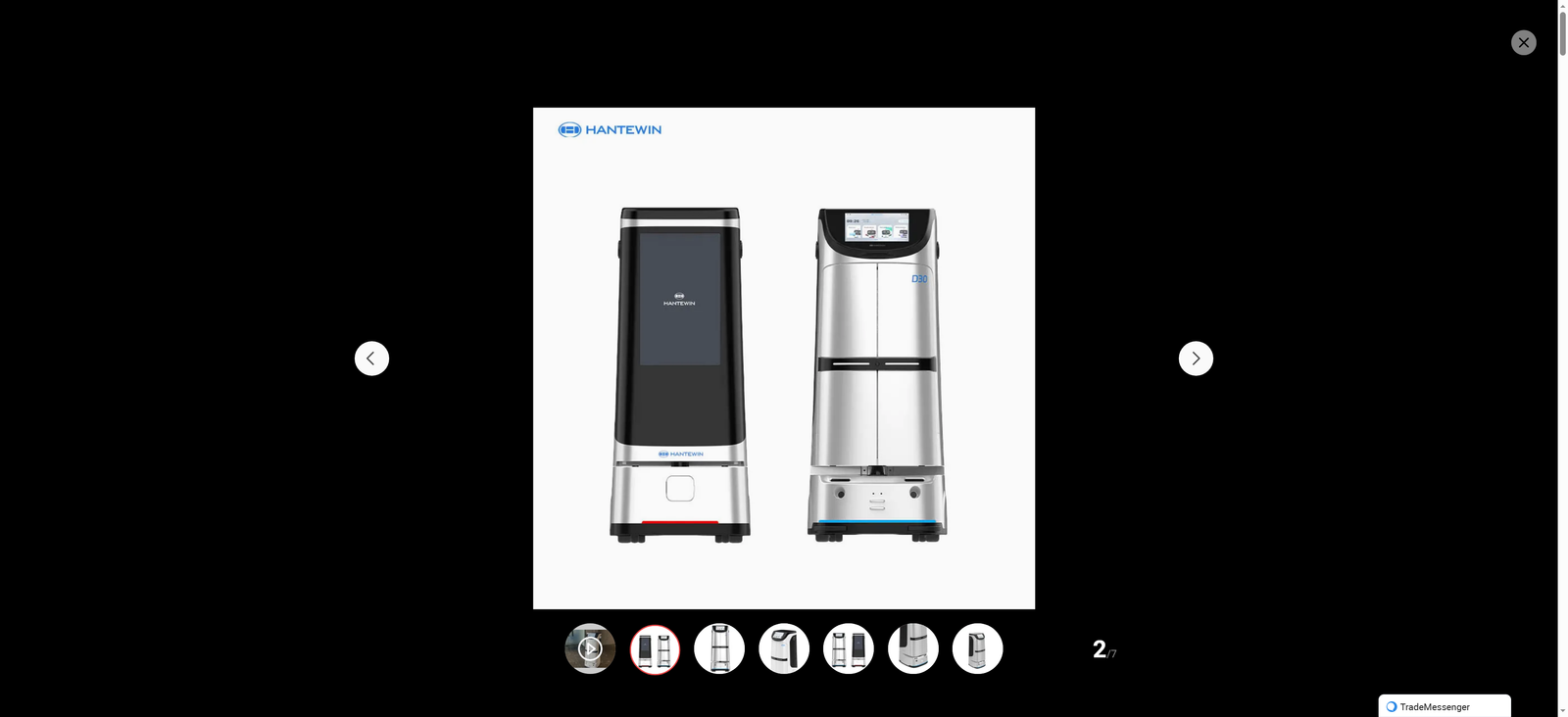
In the dynamic landscape of hospitality and catering industries, technological innovation has become a key driver of service upgrading. Among the emerging intelligent devices, automatic working hotel restaurant self-driving service delivery robots—also known as intelligent waiter robots—are reshaping the operational model and customer experience with their precise, efficient, and interactive capabilities. These advanced machines are no longer just futuristic concepts but practical tools that seamlessly integrate into daily services, bridging the gap between technology and human-centric care.
At the core of intelligent waiter robots lies a sophisticated integration of multiple technologies, enabling them to navigate complex indoor environments and fulfill service tasks autonomously. The basic structure of these robots consists of five key components: a stable chassis, advanced navigation system, sensitive sensors, intelligent control system, and specialized food delivery modules . The chassis, equipped with wheels or omnidirectional rollers, ensures stable movement and sufficient load-bearing capacity to transport meals safely. The navigation system, often adopting LDS SLAM VSLAM dual navigation technology, combines laser mapping and visual recognition to create high-precision indoor maps and achieve centimeter-level positioning without relying on ceiling markers . This allows robots to adapt to crowded dining halls, narrow aisles as small as 70 cm, and even complex layouts like cave-transformed hot pot restaurants .
Sensors act as the "perceptual organs" of intelligent waiter robots, integrating lidar, 3D cameras, and ultrasonic sensors to achieve all-round environmental detection . These sensors can identify dynamic obstacles such as pedestrians and moving chairs, and adjust routes in real time while maintaining a comfortable distance from humans, adhering to basic social etiquette . The control system, the "brain" of the robot, processes sensory data through AI algorithms to realize global path planning, local dynamic obstacle avoidance, and multi-robot coordination . In restaurants with multiple robots, a central scheduling system acts as a "traffic control center," assigning tasks and optimizing routes to prevent congestion and collisions . The food delivery module is designed with thermal insulation or cooling functions, along with anti-spill structures, to ensure meals remain fresh and intact during transportation .
The working process of intelligent waiter robots is highly automated, covering the entire service chain from order reception to task completion. When a customer places an order via a mobile app or self-service terminal, the order information is instantly transmitted to the robot through the restaurant's management system . The control system then plans the optimal route based on the restaurant layout and real-time environment . During delivery, the robot continuously scans its surroundings to avoid obstacles, and upon reaching the target table, it notifies the customer through voice broadcast, screen prompts, and dynamic LED lights . After the customer picks up the meal, the robot automatically returns to the kitchen or charging station to prepare for the next task. When the battery is low, it can independently navigate to the charging station, supporting 24 hours of continuous operation with 5-8 hours of charging .
The application of intelligent waiter robots brings multifaceted value to hotels and restaurants. For operators, these robots effectively address the industry's pain points such as labor shortages and high costs. In a large hot pot restaurant in Chongqing, 15 delivery robots have significantly reduced the workload of human staff, who previously walked 30,000 to 40,000 steps a day on average . Statistics show that using delivery robots can reduce labor costs by approximately 58% compared to pure manual service, with each robot capable of carrying up to 25 dishes at a time and operating continuously during business hours . For customers, the robots offer a novel and efficient experience—whether it's a hotel guest receiving room service via a robot or a diner enjoying prompt meal delivery, the interactive features like voice reminders and cute responses add joy to the service process .
Notably, intelligent waiter robots are not intended to replace human staff but to complement and enhance their work. By taking over repetitive and tedious tasks such as food delivery and item transportation, robots free up human servers to focus on more personalized services, such as menu recommendations, dining assistance, and emotional interaction . Advanced models are even evolving beyond basic delivery functions: some can complete table cleaning after diners leave, while others integrate robotic arms to handle tasks like pouring drinks . In high-end hotels, robots are designed with humanistic care in mind—for example, instead of just ringing the doorbell, they call the guest's room phone to avoid confusion, as their height may prevent guests from seeing them through the peephole .
As AI and robotics technology continue to advance, intelligent waiter robots are moving from "function satisfaction" to "emotional interaction" . Future iterations may feature more sophisticated voice recognition, gesture control, and even emotional understanding capabilities, enabling them to respond to complex customer requests. With policy support, technological innovation, and increasing capital investment, the industry is entering a critical stage of mass production and widespread application . From fast-casual restaurants and hotels to senior care facilities and corporate canteens, these autonomous service robots are gradually forming an intelligent service ecosystem .
In conclusion, automatic working hotel restaurant self-driving service delivery robots represent a major leap in the hospitality and catering industries. By combining technological precision with humanistic service concepts, they not only improve operational efficiency and reduce costs but also create a more engaging and comfortable experience for customers. As these robots continue to evolve and integrate deeper into service scenarios, they will undoubtedly lead a new era of intelligent hospitality, where technology serves as a bridge to better human connections.