
The Rise of Self-Driving Delivery Robots: Transforming Catering and Hospitality Industries
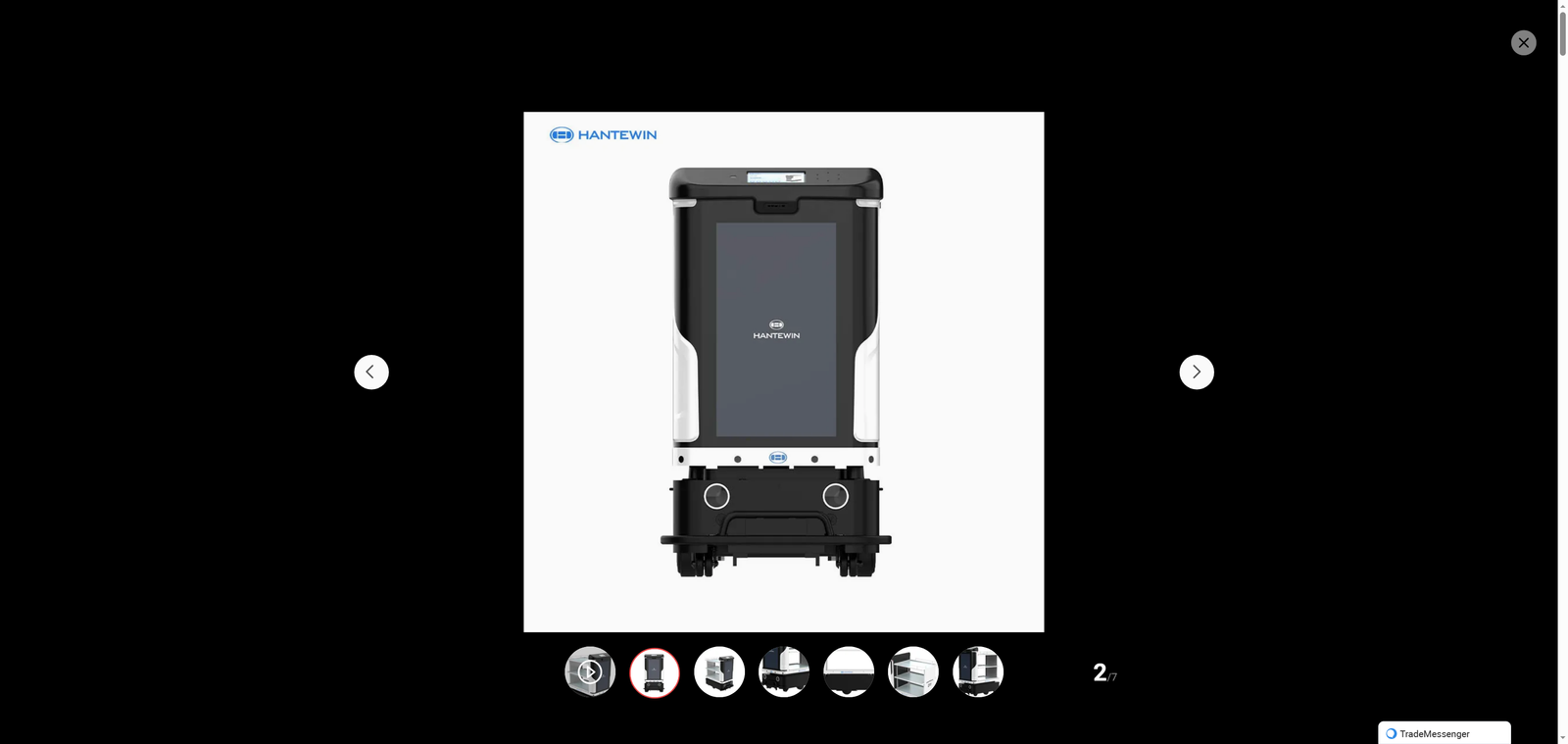
In the era of rapid technological advancement, self-driving technology has gradually penetrated various fields, breaking the boundaries of traditional service models. Among them, the Auto Meal Food Delivery Robot, Restaurant Robot, Hotel Waiter Robot, and Self Driving Delivery Robot have emerged as new forces, reshaping the operational logic of the catering and hospitality industries. These intelligent robots are no longer just sci-fi elements; they have become practical tools that improve service efficiency, optimize user experience, and promote industrial upgrading, injecting vigorous vitality into the service economy.
The Auto Meal Food Delivery Robot, as a typical representative of self-driving delivery robots in the catering field, has fundamentally solved the pain points of traditional meal delivery services. In busy restaurants, especially during peak dining hours, waiters often struggle to cope with a large number of orders, leading to delayed meal delivery, wrong orders, and exhausted service staff. The Self Driving Delivery Robot, equipped with advanced sensors, laser navigation, and AI algorithms, can accurately identify the restaurant layout, avoid obstacles (including diners, tables, and other objects), and navigate to the target table smoothly. It can carry multiple meals at one time, reducing the number of round trips for manual delivery, and the built-in intelligent system can synchronize with the restaurant's order management platform, ensuring that each meal is delivered to the correct customer without error. For example, in many chain restaurants and smart catering halls, Auto Meal Food Delivery Robots have become indispensable "colleagues"—they work 24 hours a day without fatigue, significantly improving the efficiency of meal delivery during peak hours and reducing the labor pressure of the restaurant.
Beyond restaurants, the Hotel Waiter Robot has also become a highlight of intelligent hotel services, redefining the guest experience. Traditional hotel services often involve tedious tasks such as delivering room service (towels, water, snacks), receiving parcels, and guiding guests to their rooms. These tasks not only consume a lot of human resources but also may be delayed due to the busy schedule of the service staff, affecting the guest's sense of experience. The Hotel Waiter Robot, with its self-driving function and humanized interaction design, can complete these tasks efficiently and thoughtfully. Guests only need to make a request through the hotel's mobile app or the in-room control panel, and the robot will quickly respond, navigate to the corresponding room accurately, and remind the guest to take the items through voice broadcasting. Some high-end hotel robots are also equipped with voice recognition and dialogue functions, which can answer common questions of guests (such as the location of the restaurant, gym, and elevator) and provide personalized guidance services. The appearance of Hotel Waiter Robots not only reduces the hotel's labor costs but also brings a novel and convenient intelligent experience to guests, enhancing the hotel's brand competitiveness.
The core advantage of all these self-driving delivery robots lies in their mature self-driving technology and intelligent control system. Unlike ordinary robots that can only move along fixed routes, the Self Driving Delivery Robot (including Auto Meal Food Delivery Robots and Hotel Waiter Robots) has strong environmental adaptability and autonomous decision-making capabilities. The laser radar and visual sensor installed on the robot can collect real-time environmental information, build a 3D map of the surrounding area, and adjust the navigation route in real time according to changes in the environment—for example, automatically bypassing a child running past, or avoiding a cleaning cart parked in the corridor. The AI algorithm inside the robot can continuously learn from the working process, optimize the navigation path and movement speed, and improve the accuracy and efficiency of delivery over time. In addition, these robots are equipped with safety protection devices, such as anti-collision bumpers and emergency stop buttons, which can ensure the safety of people and objects during operation, eliminating the potential risks of intelligent service.
The popularization of Auto Meal Food Delivery Robots, Restaurant Robots, Hotel Waiter Robots, and Self Driving Delivery Robots is not only a technological innovation but also a profound transformation of the service industry. For businesses, these robots can reduce labor costs, improve service efficiency, and optimize operational management—restaurants can save on the salaries of part-time waiters, hotels can allocate human resources to more high-value services (such as guest reception and personalized consultation), and the intelligent management system of robots can also provide data support for businesses (such as peak meal delivery time, frequent guest requests, etc.), helping businesses make more scientific operational decisions. For consumers, intelligent robots bring more convenient, efficient, and standardized services—diners can get their meals faster, hotel guests can enjoy on-demand services at any time, and the novel interaction with robots also adds fun to the service experience.
Of course, the development of self-driving delivery robots still faces some challenges, such as the high initial investment cost, the need for regular maintenance and technical updates, and the acceptance of some elderly consumers who are not familiar with intelligent devices. However, with the continuous progress of technology and the gradual reduction of production costs, these problems are being solved one by one. More and more businesses are beginning to recognize the value of intelligent robots and introduce them into their daily operations, forming a trend of intelligent upgrading in the catering and hospitality industries.
In the future, with the integration of 5G, IoT, and AI technologies, self-driving delivery robots will be more intelligent and versatile. They may not only complete meal delivery and hotel services but also realize cross-scenario applications, such as delivering food to residents in communities, providing guidance services in shopping malls, and even participating in emergency material delivery in public places. The Auto Meal Food Delivery Robot, Restaurant Robot, Hotel Waiter Robot, and Self Driving Delivery Robot are not replacing human services, but complementing and upgrading them—they undertake tedious, repetitive tasks, allowing human service staff to focus on providing more warm, personalized, and high-quality services. This integration of man and machine will surely promote the service industry to enter a new era of intelligence, bringing more convenience and surprises to people's lives.