
Intelligent Guide Robot: A New Engine for Upgrading Reception and Exhibition Hall Services
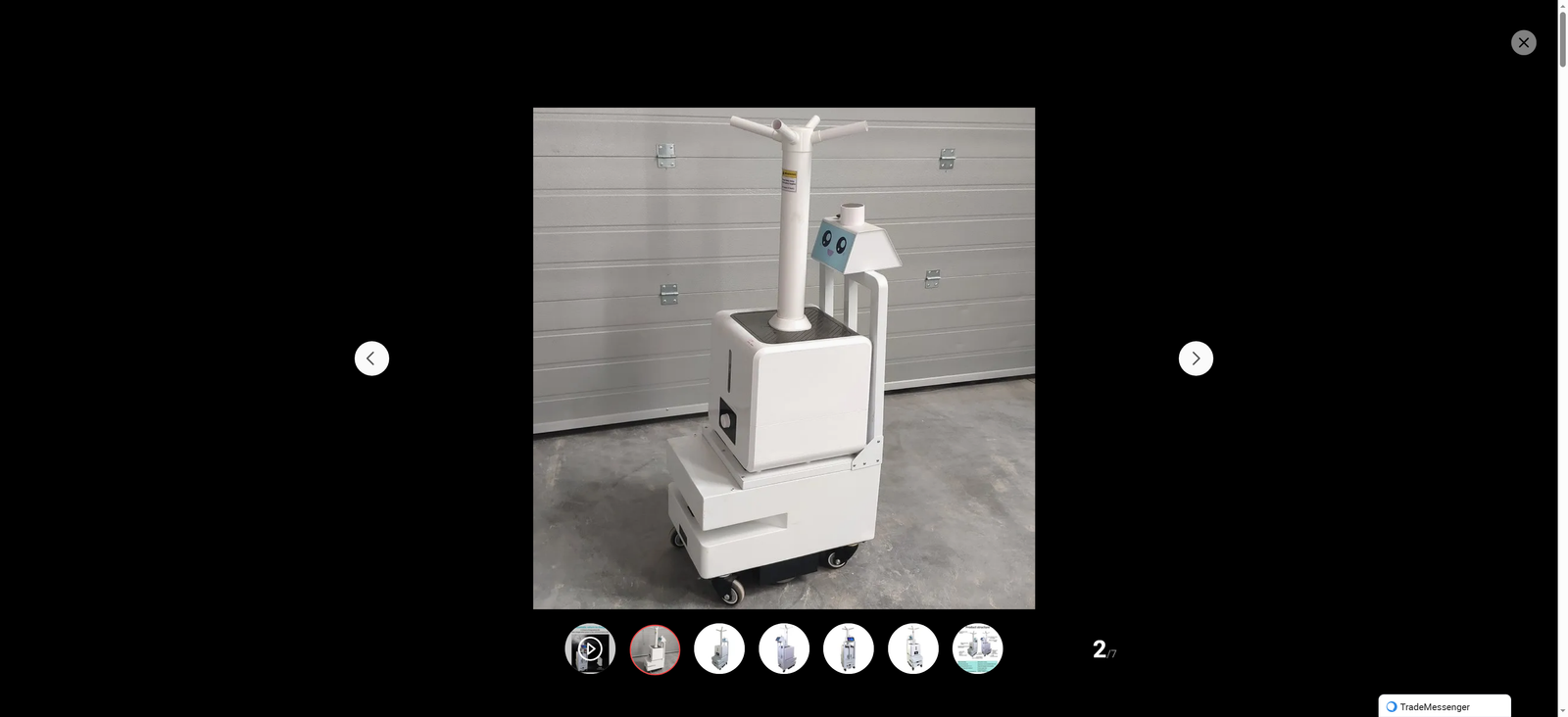
In the era of intelligent transformation, the integration of technology and service has become a key driving force for the upgrading of public spaces such as exhibition halls, hotels, and corporate lobbies. Among them, the reception new welcoming exhibition hall navigation front desk lobby guide robot (hereinafter referred to as the "intelligent guide robot") has emerged as a new type of service terminal, breaking the limitations of traditional manual reception and injecting a new vitality into the efficiency and experience of public space services.
As the "first window" of the lobby and exhibition hall, the front desk and reception area bear the important responsibilities of welcoming guests, answering inquiries, and guiding directions. In the past, relying solely on manual reception often faced problems such as limited service capacity during peak hours, inconsistent information delivery, and difficulty in covering multi-dimensional needs. The intelligent guide robot perfectly makes up for these shortcomings by virtue of its 24-hour uninterrupted service capability, standardized service process, and intelligent interaction mode.
In the scene of new employee welcoming and visitor reception, the intelligent guide robot plays the role of a "professional greeter". It can quickly identify visitors through face recognition technology, take the initiative to greet them with a friendly voice and attitude, and provide personalized welcoming remarks according to different scenarios—such as extending warm greetings to new employees joining the company, introducing the company's culture and lobby layout briefly; or welcoming visitors to the exhibition hall, inquiring about their visiting purposes and guiding them to the corresponding registration area. Compared with manual greetings, the robot's service is more stable and efficient, avoiding the embarrassment caused by human factors such as fatigue or negligence, and leaving a professional and intimate first impression on guests.
Exhibition hall navigation is another core function of the intelligent guide robot, which solves the pain point of "getting lost easily in large exhibition halls" for visitors. Equipped with high-precision positioning modules and 3D map navigation systems, the robot can accurately plan the optimal visiting route according to the visitor's needs—whether it is guiding to a specific exhibition area, a rest room, a catering area, or an emergency exit, it can lead the way steadily and explain the key points of the exhibition along the way. For professional exhibitions, the robot can also store a large amount of exhibition information, including the background of exhibits, technical parameters, and display highlights, and answer visitors' questions in real time through voice interaction, acting as a "mobile commentator". This not only reduces the workload of professional guides but also allows visitors to visit at their own pace, improving the depth and quality of the visiting experience.
At the front desk lobby, the intelligent guide robot also undertakes a variety of auxiliary service tasks, further optimizing the service process. It can assist the front desk staff in handling simple procedures, such as issuing visitor passes, scanning codes for sign-in, and distributing publicity materials, which greatly shortens the waiting time of guests during peak hours. At the same time, the robot can collect visitor information and feedback in real time, sort out and analyze the data, and provide a data basis for the management of exhibition halls and lobbies to optimize service strategies. For example, by counting the most frequently asked questions by visitors, the management can adjust the layout of the exhibition hall or add prompt signs; by analyzing the visiting routes of most visitors, the exhibition sequence can be optimized to improve the overall visiting efficiency.
The application of intelligent guide robots is not only a manifestation of technological progress but also a redefinition of service concepts. It does not replace manual services but forms a complementary relationship with them—robots are responsible for repetitive, procedural, and high-frequency service tasks, while manual staff can focus on more personalized, emotional, and complex service links, such as handling special visitor needs and providing in-depth professional consulting services. This human-machine collaboration mode not only improves the overall service efficiency of the reception and exhibition hall but also enhances the professionalism and humanization of the service, creating a win-win situation for both the management and the visitors.
With the continuous advancement of artificial intelligence, voice recognition, and other technologies, intelligent guide robots will have more powerful functions and broader application scenarios. They will not only become a standard configuration in exhibition halls and lobbies but also bring more intelligent and convenient service experiences to people in shopping malls, hospitals, airports, and other public spaces. In the future, the intelligent guide robot will continue to evolve with the needs of the times, becoming an important link in the intelligent service ecosystem and contributing more power to the upgrading of public space services.