
Intelligent Voice Communication Delivery Robots: Reshaping Service Scenarios in Public Spaces
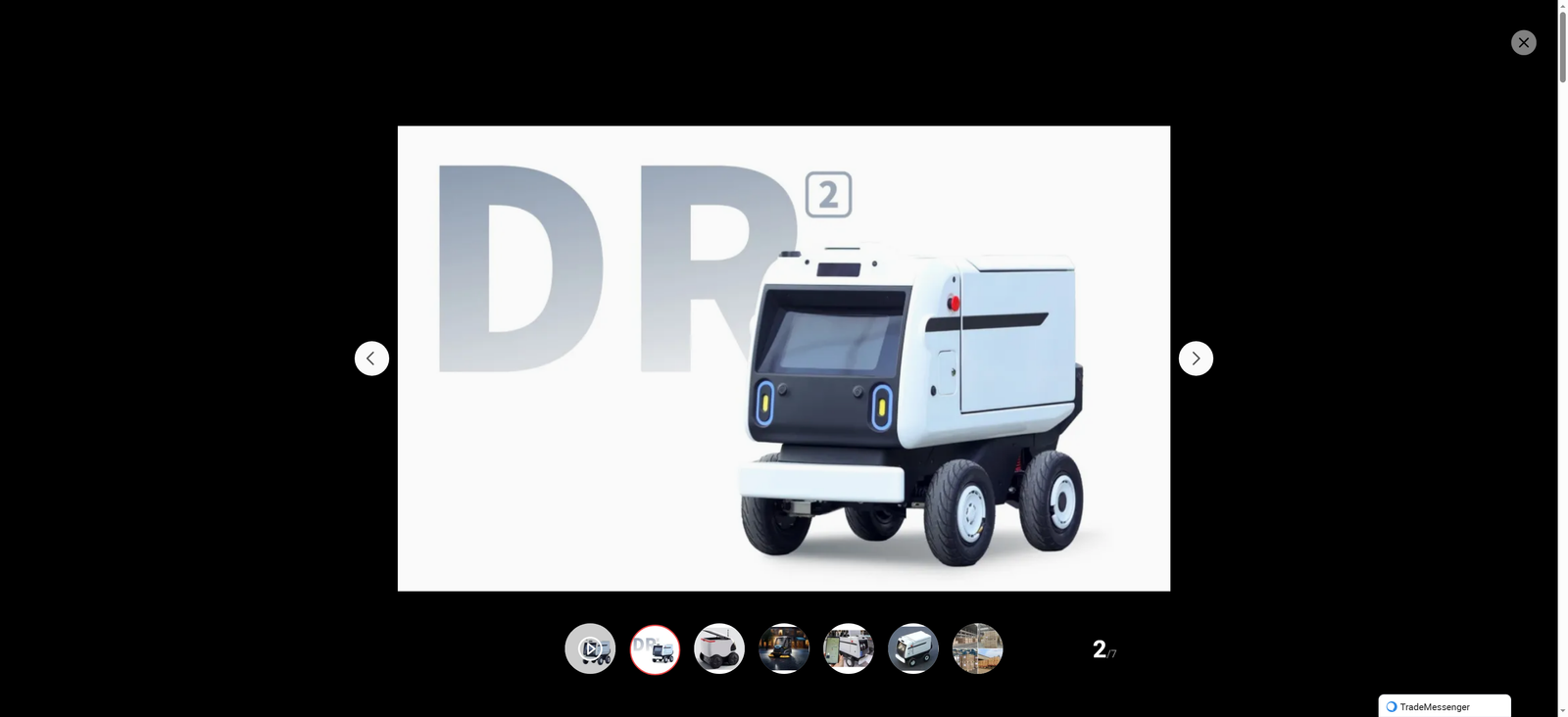
With the rapid development of artificial intelligence and robotics technology, intelligent voice communication delivery robots have gradually stepped out of the laboratory and entered various public spaces. As multi-functional service carriers integrating voice interaction, autonomous navigation and cargo delivery, they are quietly changing the service mode and user experience in airports, hotels, schools, shopping malls and railway stations. These scenarios, which are characterized by large passenger flow, high service demand and complex space layout, have become the key positions for the application and popularization of intelligent delivery robots, injecting new vitality into the digital transformation of public services.
Airports, as important hubs connecting cities and even countries, have always been facing the challenges of heavy service pressure and diverse user needs. Intelligent voice communication delivery robots have become a "new assistant" in airport services. Equipped with high-precision navigation systems and intelligent voice modules, these robots can accurately navigate in the vast airport halls, avoiding crowds and obstacles flexibly. For passengers, they can realize one-click delivery of water, snacks, charging treasures and other emergency supplies through voice interaction, without the need to run back and forth between service desks and waiting areas. At the same time, the robots can also provide voice consulting services, such as inquiring about flight information, gate locations and luggage claim areas, effectively alleviating the work pressure of airport staff and improving the efficiency of passenger service.
In hotels, intelligent voice communication delivery robots have become a new symbol of high-quality service, creating a more convenient and intimate living experience for guests. When guests need to send towels, toiletries, takeout and other items to their rooms, they only need to make a request through the hotel's intelligent terminal or voice call, and the robot will quickly receive the order and complete the delivery. The robot can automatically recognize the elevator, call the elevator and navigate to the door of the guest room accurately. After arriving at the destination, it will remind the guest to pick up the items through voice broadcast, and automatically return to the charging station after completing the task. This not only saves the time of hotel service staff, reduces the cost of human resources, but also avoids the inconvenience caused by the contact between staff and guests, especially in the post-epidemic era, it has effectively improved the safety and health of hotel services.
Schools, as places with concentrated teachers and students, have a large demand for logistics services. Intelligent voice communication delivery robots have brought new changes to the logistics support work of schools. In campus, they can be used for the delivery of teaching materials, test papers, office supplies and other items, realizing the efficient circulation of materials between teaching buildings, office buildings and libraries. For students, they can also deliver daily necessities, express packages and other items to the dormitory building or classroom through voice interaction, which solves the problem of inconvenient pick-up of items for students. In addition, the robots can also be used as a "mobile propaganda station" on campus, broadcasting campus notices, safety knowledge and other information through voice, enriching the form of campus publicity and education. At the same time, the application of robots in schools can also stimulate students' interest in science and technology, and cultivate their innovative thinking and scientific literacy.
Shopping malls, as a gathering place for consumption and entertainment, have always been committed to improving the shopping experience of consumers. Intelligent voice communication delivery robots have become a new bright spot in shopping malls, adding more convenience and fun to consumers' shopping process. When consumers are shopping in the mall, they can place an order for drinks, snacks, shopping bags and other items through voice interaction with the robot, and the robot will deliver the items to the consumer's side in time, allowing consumers to enjoy shopping without being hindered by heavy items. At the same time, the robots can also provide consumers with voice navigation services, helping consumers quickly find the location of the desired store, and introducing preferential activities and product information of the mall, which promotes the consumption transformation of the mall. In addition, the cute appearance and intelligent interaction of the robots can also attract the attention of consumers, especially children, becoming a new "net red check-in point" in the mall, and improving the popularity and influence of the mall.
Railway stations, like airports, are important transportation hubs with a large number of passengers and heavy service tasks. Intelligent voice communication delivery robots play an important role in improving the service level of railway stations. In the waiting hall of the railway station, passengers can obtain drinking water, snacks, newspapers and other supplies through voice interaction with the robot, and can also inquire about train schedules, ticket checking information, waiting room locations and other content, which provides great convenience for passengers' travel. For railway station staff, the robot can help deliver work documents, tools and other items, reducing the workload of staff and improving work efficiency. In addition, the robot can also carry out voice reminders, such as reminding passengers to check tickets on time, pay attention to their belongings and other safety tips, which helps to maintain the order of the railway station and ensure the safety of passengers' travel.
The wide application of intelligent voice communication delivery robots in airports, hotels, schools, shopping malls and railway stations is not only a concrete manifestation of the deep integration of robotics technology and public service fields, but also a inevitable trend of the digital and intelligent transformation of public services. These robots, with their efficient, convenient, intelligent and humanized service characteristics, have effectively solved the pain points of insufficient service personnel, low service efficiency and uneven service quality in traditional public spaces, and have won wide recognition from users and operators.
Of course, the development of intelligent voice communication delivery robots still faces some challenges, such as the improvement of navigation accuracy in complex environments, the optimization of voice interaction technology in noisy environments, and the reduction of manufacturing and operation costs. However, with the continuous progress of technology and the continuous expansion of application scenarios, these problems will be gradually solved.
In the future, intelligent voice communication delivery robots will be more intelligent, humanized and diversified. They will not only be limited to delivery and consulting services, but also integrate more functions such as emergency rescue, environmental cleaning and security patrol, bringing more changes to public spaces. It is believed that with the joint efforts of scientific and technological enterprises, operators and relevant departments, intelligent voice communication delivery robots will play a more important role in the construction of smart cities and the improvement of public service levels, and create a better life for people.