
Intelligent Communication and Distribution Service Robots: Reshaping Efficiency and Experience Across Multiple Scenarios
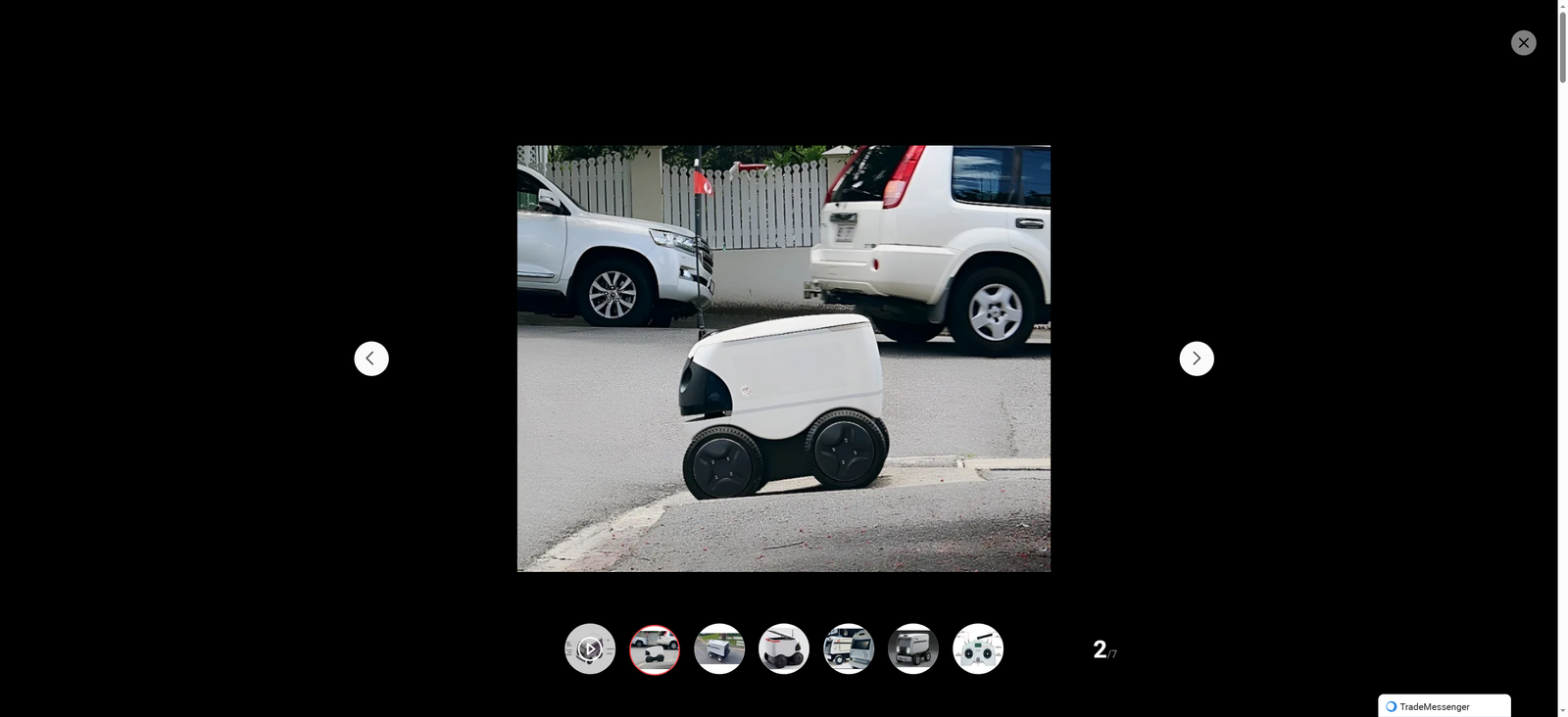
With the rapid advancement of artificial intelligence, Internet of Things and automatic control technology, intelligent robots have gradually stepped out of the laboratory and integrated into every corner of social life. Among them, intelligent communication and distribution service robots, with their dual advantages of "accurate distribution" and "intelligent interaction", have become a key force in optimizing service efficiency, reducing labor costs and upgrading user experience. From busy airports to comfortable hotels, from intimate family spaces to crowded supermarkets, and even in standardized government service halls, these robots are playing an increasingly important role, building a more intelligent and convenient life and service ecosystem.
Airports, as important hubs of transportation and personnel flow, have always faced the challenges of heavy service pressure, numerous distribution tasks and high demand for information communication. Intelligent communication and distribution service robots have become "efficient assistants" in airports, effectively solving these pain points. In terms of distribution, they can accurately navigate through crowded waiting halls, security check areas and boarding gates with the help of high-precision positioning and obstacle avoidance systems, completing the distribution of documents, boarding passes, luggage tags and even light catering for passengers and staff. Compared with manual distribution, robots can work 24 hours a day without fatigue, greatly improving the timeliness of distribution and reducing the risk of manual errors. In terms of communication, these robots are equipped with voice recognition, natural language processing and multi-language translation functions, which can answer passengers' common questions such as flight inquiries, route guidance and luggage storage in real time. For passengers who are not familiar with the airport environment or have language barriers, the robot's intimate interaction can effectively reduce their anxiety and enhance their travel experience. In addition, robots can also push flight dynamic information, weather reminders and airport service announcements to passengers through the interactive screen, becoming a mobile information release terminal in the airport.
Hotels, as places that focus on service quality and user experience, are also important application scenarios for intelligent communication and distribution service robots. In high-end hotels and budget hotels, these robots have gradually replaced some manual services, bringing a new intelligent experience to guests. When guests check in, the robot can guide them to the front desk, explain the check-in process and hotel service items. After check-in, the robot can send room cards, mineral water, towels and other items to the guest room according to the guest's needs, without the need for guests to wait in the lobby or call the room service repeatedly. Especially at night, the robot's 24-hour service can avoid the inconvenience caused by manual service limitations, ensuring that guests' needs are met in a timely manner. In addition, the robot can also provide services such as room cleaning reminders, laundry delivery and tourist attractions introduction for guests. Through friendly voice interaction and vivid screen display, it makes the hotel service more humanized and personalized. For hotel operators, the application of robots not only reduces the labor cost of front desk and room service, but also improves the service efficiency and standardization, helping hotels build a differentiated competitive advantage.
The household scenario is the closest to people's daily life, and intelligent communication and distribution service robots are gradually entering thousands of households, becoming "smart family members" that integrate distribution, communication and care. In terms of household distribution, the robot can complete the delivery of daily necessities such as meals, fruits, medicines and express packages in the home. For the elderly who are inconvenient to move, the disabled or families with busy work, the robot can effectively reduce their housework burden. For example, when parents are busy in the kitchen, they can let the robot send snacks and water to the children in the living room; when the elderly need to take medicine, the robot can remind them on time and send the medicine to their side. In terms of communication, household robots can connect with smart home devices, realizing voice control of lights, air conditioners, curtains and other equipment. At the same time, they can also act as a communication bridge between family members. For example, parents who are at work can have video calls with their children at home through the robot, and care about their study and life. In addition, some high-end household robots are also equipped with health detection functions, which can detect the physical signs of the elderly and children, such as heart rate and blood pressure, and send the data to family members' mobile phones in real time, providing a strong guarantee for family health care. The integration of robots into family life not only improves the quality of life of family members, but also injects new vitality into the smart home industry.
Supermarkets, as large-scale retail places with a wide variety of goods and a large number of customers, have high requirements for goods distribution, inventory management and customer service. Intelligent communication and distribution service robots have become an important tool for supermarkets to realize digital and intelligent transformation. In the supermarket, robots can undertake the distribution tasks of goods from the warehouse to the sales area. With the help of the warehouse management system, they can accurately identify the location and quantity of goods, and complete the replenishment work efficiently. Compared with manual replenishment, robots can avoid the problems of low efficiency and wrong delivery caused by heavy goods and complex warehouse environment. In terms of customer service, robots can provide shopping guidance for customers, such as helping customers find the location of goods, introducing product information and preferential activities. When customers have questions about product ingredients, usage methods and after-sales service, the robot can answer them in detail through the built-in database. In addition, robots can also push personalized product recommendations to customers according to their shopping habits and preferences, improving the shopping conversion rate. For supermarket operators, robots can also collect customer flow data, shopping behavior data and goods sales data in real time, providing data support for supermarket inventory management, commodity layout optimization and marketing strategy formulation. The application of robots in supermarkets not only improves the operational efficiency of supermarkets, but also enhances the shopping experience of customers.
Government service halls, as windows for government departments to provide public services, have the characteristics of high service standardization, large business volume and high demand for efficiency. Intelligent communication and distribution service robots have been gradually applied in government service halls, helping to promote the modernization of government services. In terms of distribution, robots can complete the delivery of application materials, approval documents and other materials between different windows and departments in the service hall. Due to the strict standardization of government service materials, robots can ensure the safety and accuracy of material delivery through standardized operation, avoiding the loss and error of materials in manual delivery. In terms of communication, robots can provide policy consultation, business guidance and process explanation services for the masses. The masses can inquire about the handling requirements, required materials and handling time of various government services through voice or touch screen. Robots can answer them accurately based on the official policy database, ensuring that the masses can obtain authoritative information in a timely manner. In addition, robots can also guide the masses to queue up, take numbers and go to the corresponding windows for business handling, reducing the waiting time of the masses and improving the efficiency of business handling. The application of robots in government service halls not only reduces the work pressure of government staff, but also promotes the transformation of government services from "passive waiting" to "active service", improving the satisfaction and sense of gain of the masses.
From airports to hotels, from families to supermarkets, and then to government service halls, intelligent communication and distribution service robots are constantly breaking through the limitations of application scenarios, showing strong vitality and development potential. These robots not only replace manual labor in some repetitive and tedious work, but also realize the upgrading of service quality through intelligent interaction and data analysis. With the continuous progress of technology, intelligent communication and distribution service robots will be more intelligent, humanized and diversified in function, and will be integrated into more fields, bringing more convenience and surprises to people's life and work. In the future, with the in-depth integration of robots and artificial intelligence, big data and other technologies, we will usher in a more intelligent era where humans and robots coexist harmoniously, and the quality of social services and people's living standards will be further improved.