
Voice Intelligent Communication and Distribution Service Robots: Transforming Daily Scenarios with Technology
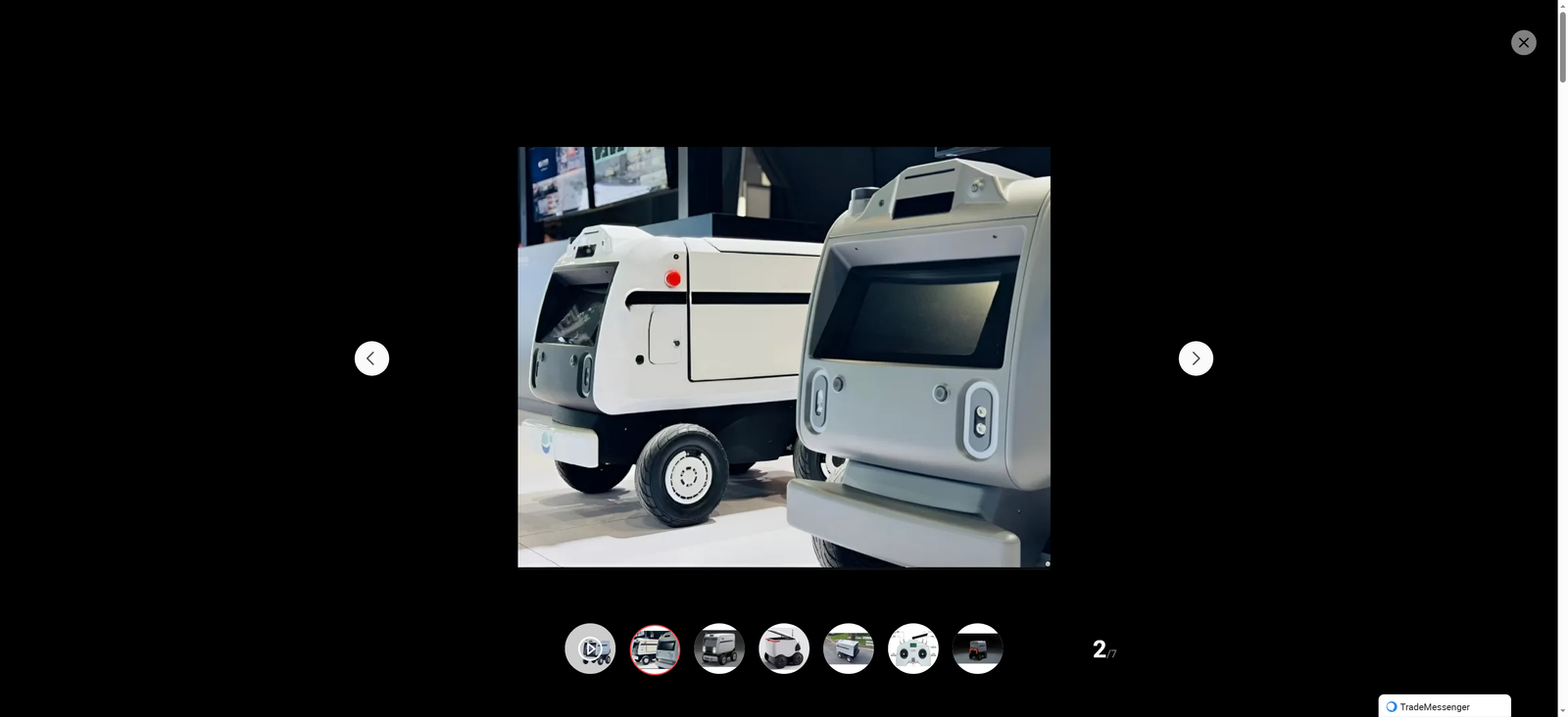
In the era of rapid technological iteration, intelligent robots have gradually stepped out of laboratories and integrated into every corner of human life. Among them, voice intelligent communication and distribution service robots, with their dual advantages of voice interaction and distribution capabilities, are reshaping service models and improving efficiency in key scenarios such as airports, hotels, homes, supermarkets, and schools. These robots are no longer cold machines; they have become intelligent assistants that understand human needs, break communication barriers, and simplify tedious work, injecting new vitality into modern life and service industries.
Airport: Streamlining Travel Experience with Intelligent Assistance
Airports, as busy transportation hubs with dense passenger flow and complex service links, are among the earliest scenarios to adopt voice intelligent communication and distribution service robots. For passengers, navigating huge airport terminals, finding boarding gates, checking baggage information, or inquiring about dining and shopping locations often takes time and energy. At this time, voice intelligent robots become reliable travel companions. Passengers only need to speak their needs in natural language, such as “Where is boarding gate C25?” or “How to get to the baggage claim area?”, and the robot can quickly respond with accurate directions, and even lead the way to the target location through real-time navigation.
In terms of distribution services, these robots also play an important role. They can deliver small items such as boarding passes, travel documents, and medical supplies to passengers in waiting areas or VIP lounges, reducing the workload of airport staff and avoiding the delay caused by manual delivery. In addition, the robot is equipped with multilingual voice recognition and translation functions, which can communicate smoothly with international passengers, solving the language barrier problem in cross-border travel and enhancing the international service level of airports.
Hotel: Elevating Service Quality with Warm Interaction
The hotel industry, which focuses on customer experience, has introduced voice intelligent communication and distribution service robots to create a more convenient and personalized accommodation environment. From the moment guests check in, the robot can greet them proactively through voice, guide them to the front desk, and even assist in completing simple check-in procedures by verifying information through voice interaction. After checking in, guests can call the robot through voice commands in the room, such as “Send a bottle of mineral water to Room 1805” or “Call the front desk”, and the robot will quickly complete the distribution or connection task without the need for guests to wait for manual service.
Compared with traditional manual services, these robots have the advantages of 24-hour uninterrupted work, standardized service quality, and zero error in distribution. They can not only deliver daily necessities, room service meals, and express packages efficiently but also answer guests’ questions about hotel facilities, surrounding attractions, and catering recommendations at any time. The warm voice interaction and intimate service of the robot not only reduce the labor cost of the hotel but also enhance the guest’s accommodation experience, making the stay more comfortable and convenient.
Home: Becoming a Intelligent Partner for Family Life
With the popularization of smart homes, voice intelligent communication and distribution service robots have gradually entered ordinary families, becoming an indispensable part of family life. For families, these robots undertake the role of “intelligent housekeeper” and “care companion”. Elderly people who are not familiar with smart devices can control household appliances through voice interaction with the robot, such as “Turn on the living room light” or “Adjust the air conditioning temperature to 26 degrees Celsius”, and the robot can also remind them to take medicine on time, read news, or chat with them to relieve loneliness.
For families with children, the robot is a “smart tutor” and “playmate”. It can tell stories, teach knowledge, sing children’s songs, and interact with children through voice, cultivating their interest in learning and accompanying them to grow up. In terms of distribution, the robot can deliver water, fruits, snacks, and other daily items between different rooms at home, reducing the tedious housework of family members. In addition, the robot can be connected to the family’s security system, real-time feedback the home environment, and send reminders to family members through voice when there is an abnormal situation, protecting the safety of the family.
Supermarket: Optimizing Shopping Efficiency with Intelligent Guidance
Supermarkets, with a wide variety of goods and large passenger flow, often face problems such as difficult navigation for customers, long waiting time for checkout, and heavy manual distribution workload. Voice intelligent communication and distribution service robots effectively solve these pain points and optimize the entire shopping process. When customers enter the supermarket, they can inquire about the location of goods through voice interaction with the robot, such as “Where can I find milk?” or “Which shelf is the instant noodles on?”, and the robot will quickly guide the customer to the target shelf, saving the time of searching for goods.
In terms of distribution, the robot can deliver goods purchased by customers to the checkout counter or the parking lot, especially for customers who buy a large number of goods or have mobility difficulties, providing great convenience. In addition, the robot can push promotional information, preferential activities, and product introductions to customers through voice, helping customers understand the latest offers and make more rational shopping decisions. For supermarket operators, the robot can collect customer shopping habits and demand information through voice interaction and data analysis, providing data support for the optimization of goods layout and inventory management, and improving the operational efficiency of the supermarket.
School: Assisting Teaching and Management with Intelligent Services
In the field of education, voice intelligent communication and distribution service robots are gradually integrating into campus life, providing assistance for teaching, management, and student services. On campus, the robot can act as a “campus guide”, answering questions about campus facilities, teaching schedules, and enrollment information for students, parents, and visitors through voice interaction, and guiding them to classrooms, libraries, dormitories, and other locations.
In terms of teaching assistance, the robot can help teachers distribute teaching materials, homework, test papers, and other items to each classroom, reducing the workload of teachers and allowing them to focus more on teaching. For students, the robot can provide after-class tutoring through voice interaction, answer difficult questions in learning, explain knowledge points, and even simulate classroom interactions to help students consolidate their learning achievements. In addition, the robot can be connected to the campus attendance system and safety monitoring system, remind students of class on time through voice, and feedback the campus safety situation in real time, creating a safe and efficient learning environment for students.
Conclusion: The Future of Intelligent Robots is Full of Possibilities
From airports to homes, from supermarkets to schools, voice intelligent communication and distribution service robots are transforming people’s travel, accommodation, life, shopping, and learning experiences with their unique advantages. They not only improve service efficiency, reduce labor costs, but also break communication barriers, bring more convenience and warmth to people’s lives. With the continuous progress of voice recognition technology, artificial intelligence, and Internet of Things technology, these robots will become more intelligent, humanized, and diversified in the future, integrating into more scenarios and creating greater value for human society.
The popularization of voice intelligent communication and distribution service robots is not a replacement for human labor, but a complement and upgrade to the service model. In the future, humans and intelligent robots will work together to build a more convenient, efficient, and warm intelligent life.