
AI Intelligent Advertising Display Reception Service Robot: Revolutionizing Service Experience in Malls and Hotels
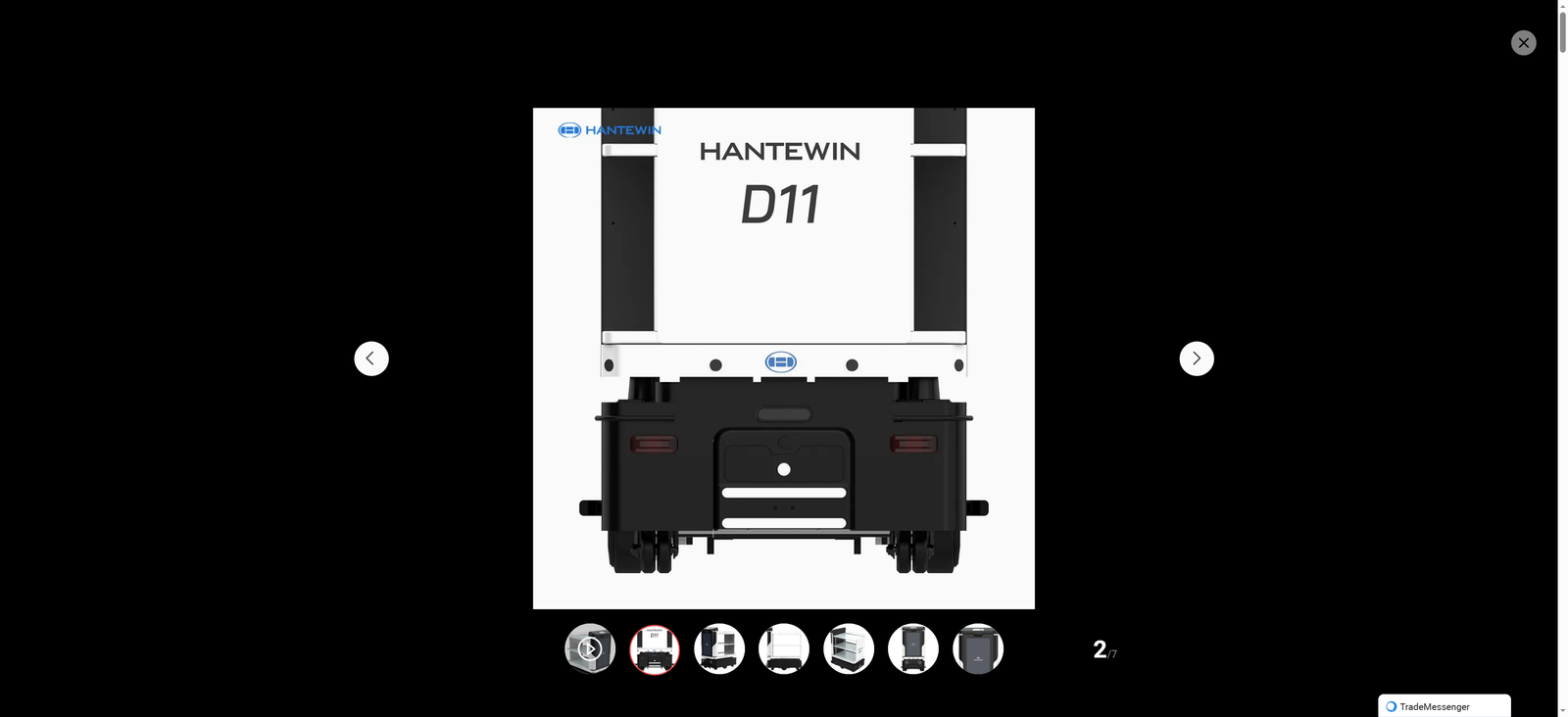
In the era of digital transformation, the integration of AI technology and service industries has spawned a new wave of intelligent upgrades. Among them, AI intelligent advertising display reception service robots have emerged as a game-changer in high-traffic scenarios such as shopping malls and hotels. These multi-functional robots, which combine reception services, intelligent guidance, and dynamic advertising, are breaking the limitations of traditional services, creating a win-win situation for businesses to optimize operations and consumers to enjoy premium experiences.
For shopping malls, a core pain point lies in balancing efficient customer guidance and precise marketing promotion. AI intelligent advertising display reception service robots perfectly address this challenge with their integrated capabilities. Equipped with advanced technologies such as laser radar, ultrasonic sensors, and 360° obstacle avoidance systems, these robots can navigate autonomously in crowded mall environments, smoothly shuttling between storefronts without human intervention . When customers approach, the robots actively initiate greetings through face detection and recognition; for returning customers with recorded facial information, they can even deliver personalized greetings, significantly enhancing the sense of intimacy . Through voice and touch screen interaction, customers can quickly inquire about store locations, product information, and promotional activities, and the robots can provide one-click navigation to designated stores, effectively improving store arrival conversion rates .
The advertising display function of these robots adds unique value to mall operations. Unlike static billboards, the high-definition screens installed on the robots support multi-format content display, including images, videos, and interactive Q&A . More importantly, relying on AI algorithms and big data analysis, the robots can push personalized advertising content based on customers' age, gender, and interaction preferences . For example, they can recommend fashion apparel ads to young customers and parent-child product promotions to families, making marketing more targeted and effective. Additionally, the robots can conduct autonomous cruising according to preset routes, broadcasting promotional information in key areas such as atriums and escalators to attract customer attention and drive consumption . The background management system also allows mall operators to perform batch scheduling of advertising content, real-time monitoring of playback effects, and data analysis of customer interaction behaviors, providing data-driven support for optimizing marketing strategies .
In the hotel industry, where service quality directly determines customer satisfaction, AI intelligent advertising display reception service robots are redefining the standard of hospitality. From the moment customers step into the lobby, the robots can complete a series of reception tasks: multi-lingual greetings, identity verification through face recognition, and even room card issuance . For returning guests, the robots can remember their living habits through deep learning algorithms, such as preferred room temperature and breakfast tastes, and proactively recommend suitable room types and catering services . When customers need to go to the restaurant, gym, or meeting rooms, the robots can serve as guides, leading the way while introducing the hotel's facilities and services through the display screen.
Beyond reception and guidance, these robots also contribute to improving the operational efficiency of hotels. They can undertake routine tasks such as delivering takeout, laundry, and daily necessities to guest rooms, reducing 90% of manual跑腿 work and alleviating the pressure of staff shortage . The closed cabin design of the robots ensures the safety and privacy of delivered items, and customers can open the cabin through password or phone verification . In public areas, the robots can display hotel promotion information, local tourist attractions, and event notices on their screens, serving as a mobile promotional platform. For hotel management, the intelligent backend enables remote monitoring of robot operations, automatic alerts for abnormalities, and data statistics on service volume, realizing digital and refined management .
The wide application of AI intelligent advertising display reception service robots in malls and hotels is driven by continuous technological innovation. The integration of multi-modal interaction technologies, including voice recognition, natural language processing, and computer vision, enables robots to understand customer needs accurately and respond smoothly . The improvement of core components such as solid-state batteries and modular designs has extended the robot's working hours and reduced maintenance costs, making large-scale application feasible . Moreover, these robots are not replacing human services but complementing them—by taking over repetitive and tedious tasks, they free up human resources to focus on more personalized and emotional services, creating a harmonious coexistence of technology and humanity .
Looking ahead, with the deep integration of AI large models, 5G, and cloud computing, AI intelligent advertising display reception service robots will evolve towards more advanced embodied intelligence . They will have stronger environmental adaptation capabilities, more precise user demand prediction, and richer interactive forms, such as AR interactive advertising and emotional recognition services . In malls and hotels, these robots will no longer be just a tool but an important part of the service ecosystem, connecting online and offline resources, optimizing operational efficiency, and continuously upgrading the consumer experience. For businesses, embracing this intelligent transformation is not only a response to the market trend but also a key to building core competitiveness in the digital age.