
Ai-Enhanced Guest Reception: Elevating Hotel Experience with Elf Robots
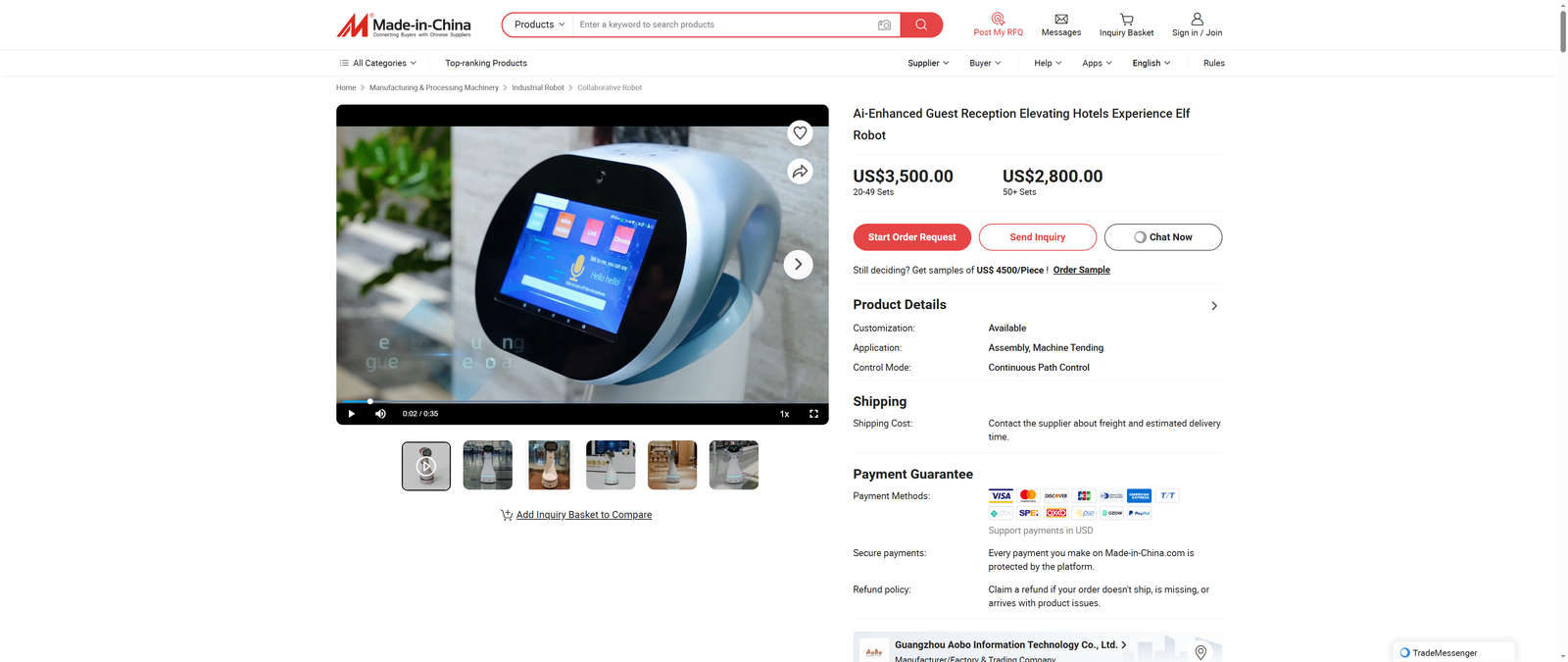
In the era of intelligent transformation, the hotel industry is undergoing a profound revolution driven by technology. Guest reception, as the first touchpoint between hotels and guests, has long been regarded as the "window" of hotel service quality. With the rapid development of artificial intelligence (AI) technology, elf robots equipped with advanced AI systems have gradually stepped into hotel lobbies, breaking the limitations of traditional manual reception and injecting new vitality into the hotel experience. Ai-enhanced guest reception, empowered by elf robots, is not only a technological upgrade but also a redefinition of personalized and efficient service, leading the hotel industry towards a more intelligent and humanized future.
Traditional hotel reception often faces many pain points, such as long queues during peak hours, uneven service quality due to differences in staff professionalism, and difficulty in meeting the diverse needs of guests in a timely manner. These problems not only affect the guest experience but also increase the operational pressure of hotels. The emergence of elf robots has effectively solved these bottlenecks. As the carrier of AI technology in hotel reception scenarios, elf robots integrate multiple functions such as voice recognition, natural language processing, facial recognition, and intelligent navigation, realizing the full-process intelligent upgrading of guest reception from check-in to check-out.
The AI-enhanced reception capability of elf robots is first reflected in the efficient and convenient check-in service. Guests only need to face the elf robot's camera, and the robot can quickly complete facial recognition and verify identity information in a few seconds. At the same time, through voice interaction, guests can easily select room types, confirm check-in information, and even handle deposit payment. Compared with the traditional manual check-in process that takes 5-10 minutes, the elf robot can shorten the check-in time to less than 2 minutes, greatly reducing the waiting time of guests during peak hours. For business travelers who pursue efficiency and elderly guests who are not familiar with self-service machines, this intelligent reception method provides great convenience, making the first impression of the hotel more pleasant.
In addition to efficient check-in, elf robots also create a personalized service experience for guests through AI's deep learning capability. During the interaction process, the elf robot can record the guest's preferences, such as room temperature requirements, pillow types, and dietary taboos, and synchronize this information to the hotel's customer relationship management (CRM) system. When the guest checks in again, the robot can take the initiative to greet the guest by name and provide personalized services according to the guest's preferences, such as reminding the hotel to prepare a non-smoking room with a soft pillow or recommending a restaurant that suits the guest's dietary habits. This "remember you" service model makes guests feel valued and cared for, enhancing the sense of belonging and satisfaction of guests. Moreover, the elf robot can answer guests' questions 24 hours a day, covering information such as hotel facilities, surrounding attractions, transportation routes, and catering recommendations. With its accurate and professional response, it avoids the embarrassment of manual staff being unable to answer questions due to lack of knowledge, ensuring the continuity and professionalism of service.
From the hotel's operational perspective, elf robots have also brought significant cost-saving and efficiency-improving effects. On the one hand, the one-time investment in elf robots can replace the work of 2-3 receptionists in long-term operations, reducing the hotel's labor costs. On the other hand, the AI system of the robot can automatically count and analyze reception data, such as peak check-in times, guest preference statistics, and common questions, providing data support for the hotel's operational decision-making. For example, according to the data feedback from the robot, the hotel can reasonably arrange staff on duty during peak hours, adjust room allocation strategies, and optimize service items, thereby improving the overall operational efficiency. At the same time, the elf robot's standardized service process avoids service errors caused by human factors, ensuring the stability of service quality.
It is worth noting that the AI-enhanced guest reception with elf robots does not mean replacing human services, but complementing and upgrading human services. In the hotel scenario, elf robots are mainly responsible for standardized and repetitive work such as check-in, information inquiry, and luggage delivery, while human staff can focus on providing high-value-added services such as emotional communication, emergency handling, and personalized care. For example, when a guest encounters a special situation such as a sudden illness or a lost item, human staff can respond more flexibly and provide humanistic care, while the elf robot can assist in completing work such as contacting the medical staff and searching for lost items. This combination of "intelligence humanity" not only gives play to the advantages of AI technology in efficiency and standardization but also retains the temperature of human services, achieving a perfect balance between technology and humanity.
With the continuous progress of AI technology, the functions of elf robots in hotel reception will be more diversified and intelligent. In the future, elf robots may be equipped with more advanced sensory systems, which can perceive the guest's emotional changes through facial expressions and voice intonations, and take the initiative to provide comfort and care; they may also realize seamless connection with smart room systems, allowing guests to control room equipment such as lights, curtains, and air conditioners through the robot before checking in; even, through the integration of big data and AI, the robot can predict the guest's needs in advance and provide proactive services, such as preparing a birthday cake for the guest on their birthday. These technological upgrades will further elevate the hotel experience, making intelligent reception a new standard for high-quality hotels.
In conclusion, ai-enhanced guest reception with elf robots is a key practice of the hotel industry's intelligent transformation. It not only solves the pain points of traditional reception services, improves service efficiency and quality but also creates a more personalized and humanized guest experience, and provides strong support for the hotel's operational optimization. As AI technology continues to penetrate, elf robots will play a more important role in hotel reception, promoting the hotel industry to enter a new era of "technology service". For hotels, seizing the opportunity of AI empowerment and introducing intelligent reception equipment such as elf robots will become an important way to enhance core competitiveness and win the favor of guests in the fierce market competition.