
Ai-Driven Food Delivery Robot: Easy APP Integration for Restaurant Managers
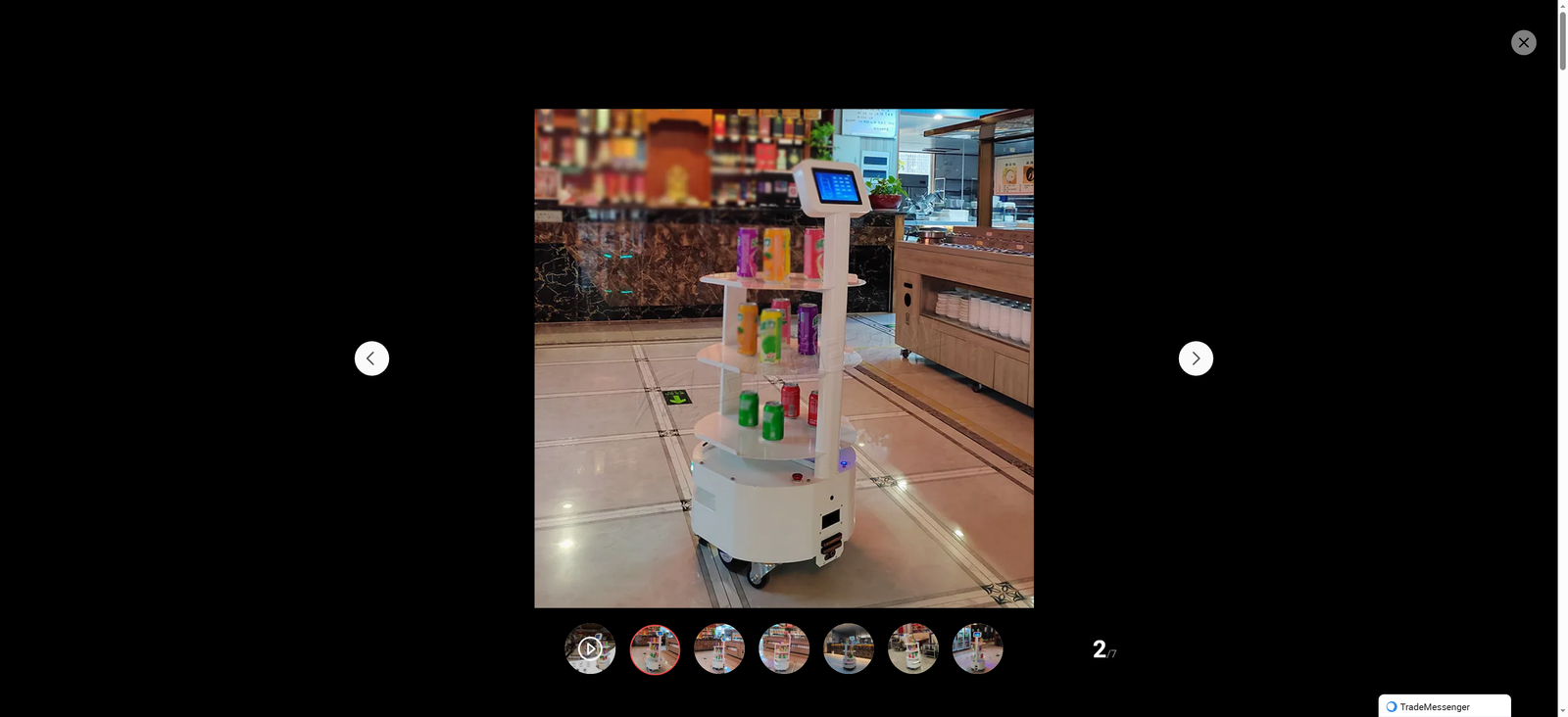
In the fast-paced catering industry, labor shortages, inefficient peak-hour service, and high operational costs have long plagued restaurant managers. As digital transformation accelerates, AI-driven food delivery robots have emerged as a game-changer, and their seamless APP integration capability is redefining operational efficiency for restaurant management. This article explores how easy APP integration empowers restaurant managers to unlock the full potential of intelligent delivery systems.
The Core Pain Point: Why Restaurant Managers Need APP-Integrated AI Delivery Robots
Traditional restaurant operations often face bottlenecks in delivery management. During peak hours, waitstaff are stretched thin between taking orders, delivering food, and attending to customer needs, leading to delayed deliveries, order mix-ups, and compromised customer satisfaction. According to a 2023 survey by the China Catering Association, medium-sized restaurants have an average food delivery accuracy rate of only 82% with manual service, while labor costs account for 30-40% of total operational expenses.
For managers, coordinating delivery tasks, monitoring service progress, and maintaining equipment often require tedious manual work. AI-driven food delivery robots address these pain points, but their true value lies in easy APP integration—turning complex robotic operations into manageable tasks through a single interface, even for managers without technical expertise.
Easy APP Integration: The Game-Changer for Managerial Efficiency
Modern AI food delivery robots are designed with manager-centric APP integration, featuring intuitive UI/UX design and seamless system compatibility. This integration eliminates technical barriers and enables one-click control over the entire robotic fleet, delivering tangible operational benefits.
Intuitive Fleet Management with Real-Time Visibility
The integrated APP serves as a central control hub, providing managers with a comprehensive real-time view of all robots. Through a dynamic floor plan interface, managers can track each robot’s location, task status (e.g., delivering to Table 5, returning to charging station), and battery level at a glance . Tasks can be assigned with a single tap—whether it’s multi-point food delivery, patrol snack service, or even holiday greeting delivery for special occasions. For example, if a manager needs to arrange robot patrols during a busy weekend with many children, they can set the patrol route, duration, and broadcast messages directly via the APP, and the robots will automatically return to the charging station upon completion .
The APP also supports batch operations, such as one-click recall of all robots at closing time, streamlining end-of-day procedures and saving valuable time for managers.
2. Seamless Compatibility with Existing Restaurant Systems
Top-tier AI delivery robot APPs support integration with POS systems, order management platforms, and inventory systems via standardized protocols like OPC UA . This means order data flows automatically from the POS system to the APP, and the robot is assigned tasks immediately after an order is confirmed—eliminating manual order entry and reducing human error.
For example, when a customer places an order through the restaurant’s website or mobile app, the order details are synced to the management APP in real time. The APP then dispatches the nearest available robot to the kitchen, and managers can monitor the entire process from food pickup to delivery. This seamless data flow also enables inventory synchronization, as the APP can track popular dishes delivered by robots and provide data insights for inventory planning.
3. Proactive Maintenance and Troubleshooting
Equipment downtime can disrupt restaurant operations, but the integrated APP enables proactive maintenance and quick troubleshooting. The APP sends real-time alerts for potential issues—such as low battery, sensor malfunctions, or robots getting stuck—allowing managers to address problems before they affect service.
For common faults like robots being trapped between tables, the APP provides step-by-step troubleshooting guides, such as pressing the emergency stop button, moving the robot to the charging station, and resetting it . Routine maintenance reminders, such as sensor calibration or battery checks, are also sent via the APP, ensuring the robotic fleet remains in optimal condition and minimizing operational disruptions.
4. Data-Driven Decision Making for Operational Optimization
Beyond task control, the integrated APP collects and analyzes operational data from the robotic fleet, providing managers with actionable insights. Key metrics such as average delivery time, robot utilization rate, peak delivery hours, and customer interaction data are visualized in the APP, enabling managers to optimize workflows and resource allocation.
For instance, data may reveal that delivery times are longest during weekday lunch hours, prompting managers to adjust robot deployment or kitchen staffing. A Sydney café chain that integrated AI delivery robots with a management APP reported a 25% reduction in delivery time, 44% savings in staff hours spent on food running, and an 17% increase in customer satisfaction within one month of deployment . The APP’s data analytics also helped the chain optimize its promotion strategy, driving an 8% growth in sales through robot-broadcasted offers.
Real-World Impact: Transforming Restaurant Operations
The value of easy APP integration is proven in real-world applications. A leading café chain in Los Angeles partnered with a robotics provider to deploy AI delivery robots integrated with its existing delivery platform. Managers used the APP to coordinate robot deliveries with human staff, optimizing order fulfillment based on demand. The partnership resulted in faster deliveries, lower emissions, and expanded service capacity—all managed seamlessly through the integrated APP .
For multi-location restaurant chains, the APP enables centralized management, allowing regional managers to monitor operations across all stores, standardize service processes, and share best practices. This scalability makes AI delivery robots with easy APP integration a viable solution for both independent restaurants and large franchises.
Conclusion: Embrace the Future of Catering Operations
AI-driven food delivery robots are no longer experimental tools—they are essential assets for modern restaurants, and easy APP integration is the key to unlocking their full potential for managers. By simplifying fleet control, streamlining system compatibility, enabling proactive maintenance, and providing data-driven insights, integrated APPs empower managers to reduce costs, improve service efficiency, and enhance customer satisfaction.
In an era where operational efficiency and customer experience are critical to success, investing in AI food delivery robots with easy APP integration is a strategic decision for restaurant managers. It’s not just about automating deliveries—it’s about transforming restaurant operations into a streamlined, data-driven, and customer-centric ecosystem.