
AGV Logistics Handling Robot: Revolutionizing Warehousing Transportation with Magnetic Navigation & Trolley-Style Design
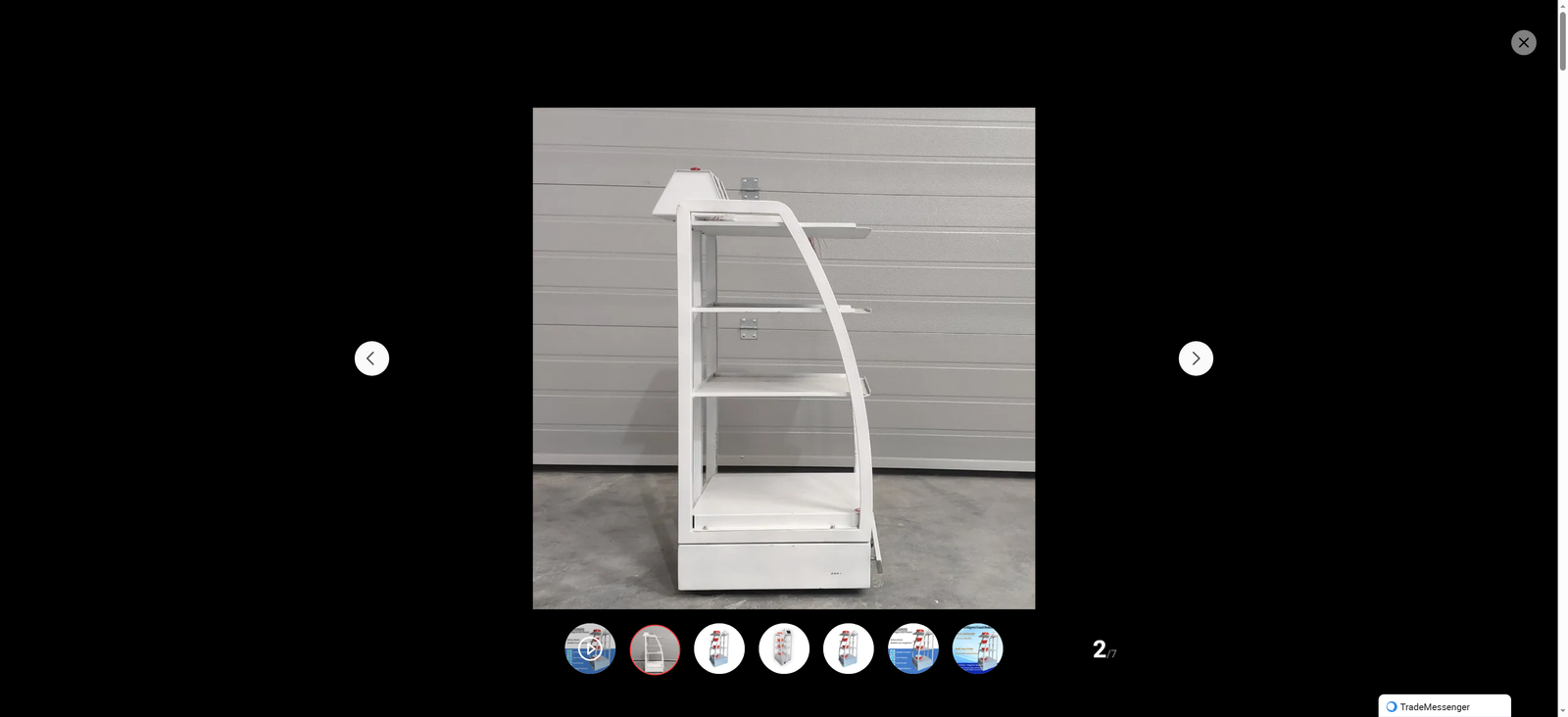
In the wave of intelligent transformation in global logistics, automated handling equipment has become a core engine driving efficiency upgrading for enterprises. Among them, the AGV logistics handling robot, featuring automatic unmanned magnetic navigation, trolley-style design, and excellent adaptability to warehousing transportation, is gradually replacing traditional manual handling and manual trolley operations. It builds a more stable, efficient, and cost-effective automated logistics system for warehouses, workshops, and logistics parks, injecting strong momentum into the digital upgrading of the industry.
Automatic Unmanned Magnetic Navigation: The Core of Stable and Precise Operation
As the "navigation brain" of the AGV logistics handling robot, the automatic unmanned magnetic navigation technology lays a solid foundation for its unmanned and high-precision operation. This technology works on the principle of electromagnetic induction: magnetic strips or magnetic nails are laid along the preset path on the ground, and the magnetic sensor installed at the bottom of the AGV detects the magnetic field signal in real time to track the path accurately. Compared with other navigation methods, magnetic navigation has unique advantages that are highly compatible with warehousing scenarios.
Firstly, it boasts superior stability and anti-interference capability. Warehouse environments are often accompanied by dust, varying light intensity, and electromagnetic radiation from mechanical equipment, but magnetic field signals are not affected by these factors. Even in harsh working conditions such as low light and heavy dust, the AGV can still maintain stable operation, ensuring uninterrupted logistics circulation . Secondly, it achieves high positioning accuracy. The positioning error of magnetic navigation technology can be controlled within ±5mm to ±10mm, enabling precise docking with shelves, production lines, and storage locations, effectively avoiding material damage caused by positioning deviations . In addition, the technology is mature, with low deployment and maintenance costs. The magnetic strips are cheap and easy to lay, and the later maintenance only requires regular inspection of the integrity of the magnetic strips, which significantly reduces the enterprise's operation and maintenance burden .
Trolley-Style Design: Perfect Adaptation to Diversified Warehousing Needs
The trolley-style design of the AGV logistics handling robot is a humanized innovation tailored for warehousing transportation scenarios, which perfectly balances flexibility, load capacity, and space adaptability. Different from heavy-duty AGV equipment such as forklift-type AGVs, the trolley-style AGV adopts a lightweight and compact body structure, which can flexibly pass through narrow warehouse passages and between shelves, greatly improving the space utilization rate of the warehouse .
In terms of load design, the trolley-style AGV supports multi-specification load customization, ranging from hundreds of kilograms to several tons, which can meet the handling needs of different types of materials such as small parts, cartons, and turnover boxes in warehouses. At the same time, the body is equipped with a stable loading platform and a reliable fixing device, which can effectively prevent materials from sliding and falling during transportation, ensuring the safety of material handling. For scenarios that require batch transportation, the trolley-style AGV can also be configured with a traction function to pull multiple material trolleys at one time, realizing centralized transportation of materials and further improving handling efficiency .
In terms of operation experience, the trolley-style AGV supports both automatic and manual modes. In the case of emergency adjustment or path temporary change, the staff can switch to manual mode to control the AGV, which enhances the flexibility of the equipment and avoids the stagnation of the logistics process caused by mechanical failure . The low-noise operation design (noise level ≤75dB(A)) also creates a quieter working environment for the warehouse, improving the working comfort of the on-site staff .
Strong Adaptability to Warehousing Transportation: Creating Customized Logistics Solutions
Warehousing transportation involves complex links such as incoming inspection, storage, transfer, and outgoing delivery. The AGV logistics handling robot relies on its excellent performance to achieve all-round adaptation to these links, and can be seamlessly integrated with the enterprise's existing warehousing management system (WMS) and manufacturing execution system (MES) . It realizes the automated closed-loop from order receiving, task assignment to operation feedback, and truly achieves unmanned intervention in the whole process of warehousing logistics.
In e-commerce warehousing, where order quantities fluctuate greatly, the AGV can operate continuously 24 hours a day, replacing 2-4 manual workers. It can quickly respond to the order sorting needs during peak periods, improving the picking efficiency by more than 50% compared with traditional manual handling . In cold chain warehousing or chemical warehousing with harsh working environments, the AGV can replace manual work in low temperature, toxic, and harmful environments, avoiding potential safety risks for workers while ensuring the stability of logistics operations . In the warehousing of 3C electronics, auto parts and other industries that require high precision, the AGV's high-precision positioning and stable transportation capabilities can effectively avoid material damage caused by manual handling, ensuring product quality .
Conclusion: Leading the New Trend of Intelligent Warehousing Handling
Against the background that the global AGV market scale is expected to exceed 500 billion yuan by 2030, the AGV logistics handling robot with automatic unmanned magnetic navigation, trolley-style design, and strong warehousing adaptability has become an indispensable core equipment for enterprises to realize cost reduction, efficiency increase, and intelligent upgrading . It not only solves the pain points of traditional manual handling such as low efficiency, high cost, and high error rate, but also provides a flexible and scalable solution for the intelligent transformation of enterprises.
For enterprises that are layouting intelligent warehousing, choosing a high-quality AGV logistics handling robot is equivalent to seizing the core competitiveness of the future logistics market. With the continuous iteration of technology, this type of AGV will be more closely integrated with 5G, digital twins, and artificial intelligence technologies, bringing more efficient and intelligent logistics experiences to the warehousing industry and contributing to the high-quality development of the global logistics industry.