
In the era of intelligent hospitality, hotels are constantly exploring innovative ways to enhance guest satisfaction, and advanced delivery robots have emerged as a game-changer in the realm of guest dining services. These intelligent devices are not just technological gimmicks but practical solutions that address pain points in traditional hotel dining delivery, bringing efficiency, convenience, and a unique experience to both guests and hotel operations. From delivering in-room meals and snacks to handling special dietary requests with precision, advanced hotel delivery robots are redefining the standards of guest dining services.
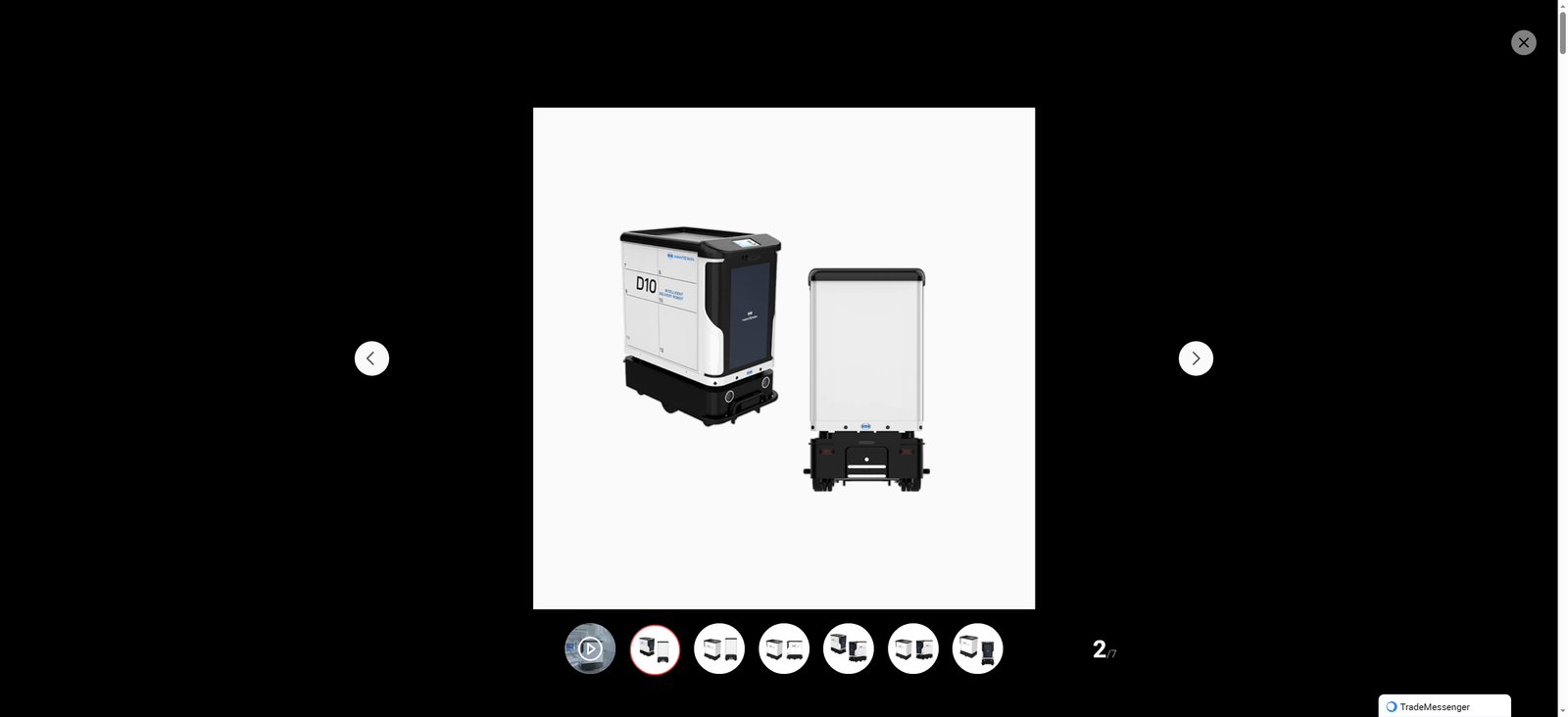
One of the core advantages of advanced delivery robots lies in their ability to optimize delivery efficiency and reduce human errors. In traditional hotel settings, dining delivery often relies on human staff who may be overwhelmed during peak hours, leading to delayed deliveries, mix-ups of orders, or even accidental spills. Advanced delivery robots, equipped with state-of-the-art navigation systems such as laser radar and visual sensors, can seamlessly navigate through hotel corridors, elevators, and public areas. They can accurately identify room numbers, avoid obstacles in real-time, and complete delivery tasks in a timely manner. For instance, during breakfast rushes or dinner peaks, multiple robots can work simultaneously, ensuring that each guest receives their ordered meals hot and fresh, without the need for guests to wait anxiously. This efficiency not only improves guest satisfaction but also allows hotel staff to focus on more value-added services, such as personalized dining recommendations and table service, rather than being trapped in tedious delivery tasks.
Personalization and flexibility are another key feature that makes advanced delivery robots stand out in enhancing guest dining experiences. Modern travelers have diverse dietary needs and preferences, ranging from vegetarian, gluten-free, and halal meals to special requests for late-night snacks or baby food. Advanced delivery robots, integrated with the hotel’s central reservation and dining management system, can store and retrieve guest preferences and dietary restrictions efficiently. When a guest places an order, the robot can be pre-programmed to pick up the correct meal from the kitchen, ensure that it is stored at the appropriate temperature (with built-in heating or cooling compartments), and deliver it to the designated room at the scheduled time. Moreover, some high-end models are equipped with interactive screens that allow guests to communicate with the hotel staff in real-time, make additional requests, or provide feedback on the meal. This level of personalization makes guests feel valued and cared for, significantly boosting their overall dining experience in the hotel.
In addition to improving guest experience, advanced delivery robots also bring substantial benefits to hotel operations and cost management. Hiring and training full-time delivery staff can be costly for hotels, especially considering the high turnover rate in the hospitality industry. By deploying delivery robots, hotels can reduce labor costs in the long run, as robots require minimal maintenance and can work 24/7 without fatigue. Furthermore, robots can generate valuable data on guest dining habits, such as popular dishes, peak ordering times, and room delivery frequency. Hotel managers can leverage this data to optimize the hotel’s dining menu, adjust kitchen staffing, and improve inventory management. For example, if the data shows that a large number of guests order salads for lunch, the hotel can increase the supply of fresh ingredients and promote salad options; if late-night snack orders are frequent, the kitchen can extend its snack preparation hours. This data-driven approach helps hotels operate more efficiently and profitably while better meeting guest needs.
Despite the numerous advantages, the adoption of advanced delivery robots in hotels also requires addressing certain challenges, such as ensuring guest acceptance and maintaining service warmth. Some guests, especially older ones, may be unfamiliar with or even resistant to interacting with robots. To tackle this issue, hotels can provide simple guidance for guests, such as placing instruction cards in rooms or having staff assist with the first robot interaction. Additionally, hotels should strike a balance between automation and human interaction. While robots handle delivery tasks, staff should remain accessible to provide emotional support and personalized care, ensuring that the use of technology does not make the service feel cold. For example, after a robot delivers a meal, a staff member can follow up with a phone call to check if the guest is satisfied with the food and service, combining the efficiency of technology with the warmth of human touch.
Looking ahead, the development of advanced delivery robots for hotels will continue to be driven by technological innovations, such as artificial intelligence (AI), Internet of Things (IoT), and 5G. Future robots may be equipped with more advanced AI algorithms that enable them to recognize guest emotions through facial expressions and adjust their service accordingly. They may also be integrated with smart hotel systems, allowing guests to control delivery through voice commands or mobile apps. Moreover, with the growing focus on sustainability, future robots may be powered by renewable energy sources, such as solar panels, aligning with hotels’ environmental goals.
In conclusion, advanced delivery robots are transforming the landscape of hotel guest dining services by enhancing efficiency, personalization, and operational efficiency. They not only address the limitations of traditional delivery services but also bring a new level of convenience and satisfaction to guests. As technology continues to evolve and hotels adapt to changing guest expectations, advanced delivery robots will undoubtedly become an indispensable part of the intelligent hospitality ecosystem. By embracing this technological innovation and balancing it with human-centric service, hotels can elevate their competitive edge and create memorable dining experiences for every guest.