
The New "Face" of Hospitality: AI Welcome & Reception Robots Reshaping Hotel and Restaurant Experiences
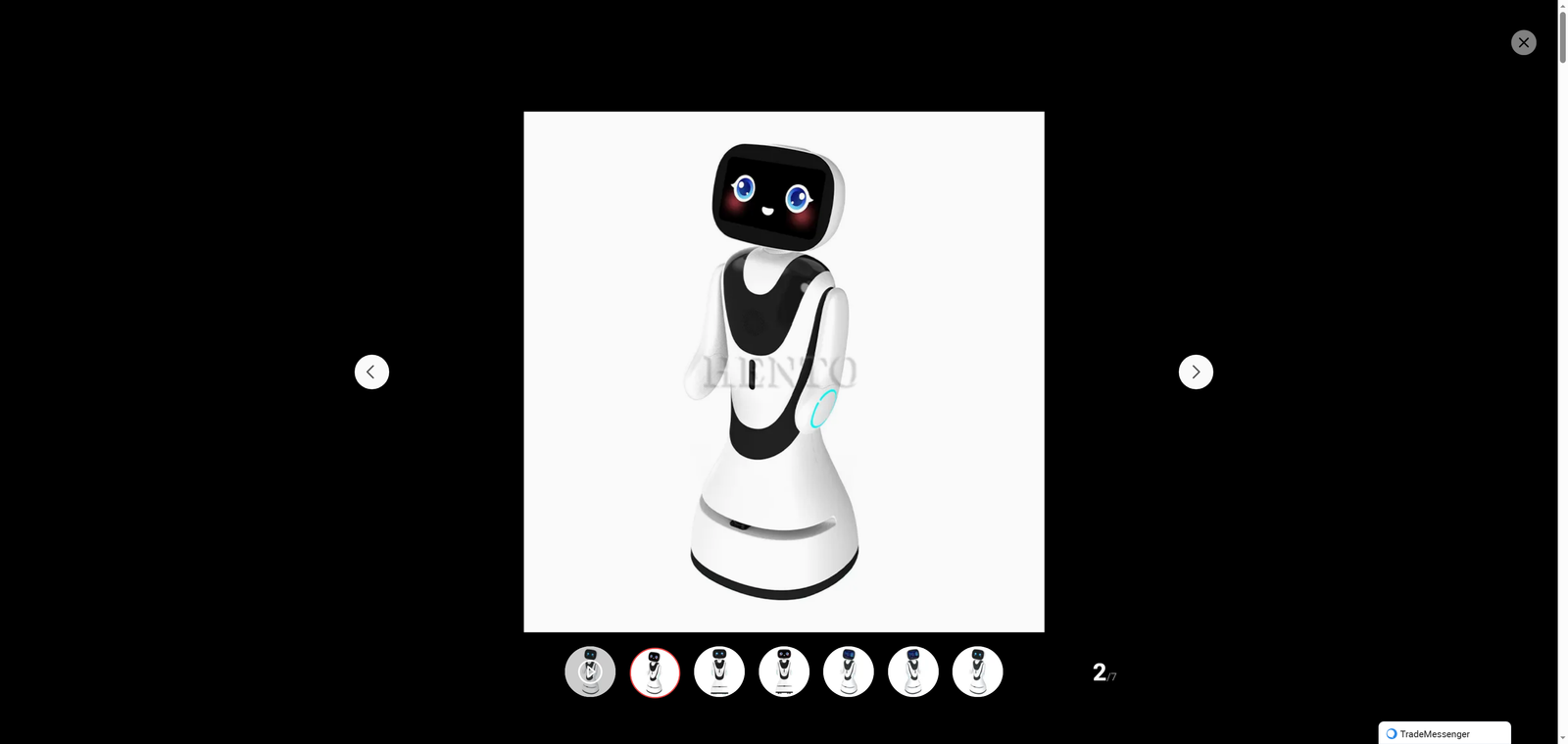
In the era of intelligent transformation, the hospitality industry—represented by hotels and restaurants—is undergoing a profound change. As the first touchpoint between businesses and customers, the reception and welcome link directly affects the customer’s initial impression and overall experience. Against this backdrop, AI welcome service robots and reception welcome robots have emerged as the new "front desk ambassadors" in hotels and restaurants, breaking the limitations of traditional manual services with their intelligent, efficient, and humanized features, and injecting a new vitality into the hospitality industry.
AI welcome and reception robots are not just cold machines; they are intelligent service terminals integrated with advanced technologies such as artificial intelligence, speech recognition, computer vision, and autonomous navigation. Unlike traditional manual reception, these robots can operate 24 hours a day without interruption, maintaining a consistent and high-standard service state at all times—whether it is early morning check-in for hotel guests, late-night dining guidance for restaurant patrons, or answering questions repeatedly, they can always maintain a polite attitude and accurate response, effectively solving the problems of uneven service quality and limited working hours caused by human factors.
In hotels, AI welcome reception robots have become a "new business card" for many high-end and mid-range hotels. When guests step into the lobby, the robot can quickly recognize their arrival through computer vision technology, take the initiative to greet them with a friendly voice, and provide services such as check-in guidance, room introduction, and luggage assistance. For self-service check-in guests, the robot can guide them to the self-service machine, assist in completing information input and card issuance, and even send guests to the elevator entrance through autonomous navigation, telling them the room number and floor information on the way. In addition, the robot can also act as a "lobby butler" to answer guests’ questions about hotel facilities, surrounding attractions, transportation routes, and catering recommendations at any time. Its built-in large database covers a wealth of information, which can be quickly retrieved and responded to according to guests’ needs, avoiding the embarrassment of manual receptionists being unable to answer questions due to lack of information. For hotel management, the robot can also collect guest behavior data and service feedback in real time, providing data support for optimizing service processes and improving management efficiency.
In restaurants, AI welcome service robots have become an important force in improving service efficiency and enhancing dining experience. During peak dining hours, the problem of long waiting lines and slow seating arrangements often plagues both restaurants and customers. At this time, the welcome robot can quickly count the number of guests, inquire about their seating preferences (such as window seats, private rooms, etc.), and then quickly plan the optimal seating route through the background system, leading guests to their seats accurately. After guests are seated, the robot can take the initiative to present electronic menus, introduce signature dishes and limited-time promotions, and even answer questions about ingredients, cooking methods, and dietary taboos. For large-scale banquets or group dinners, the robot can also assist in guiding guests to their respective seats, distributing table cards, and delivering small gifts, greatly reducing the workload of waiters and improving the orderliness of on-site services. In addition, some high-end restaurants have also customized robot services with unique styles—for example, robots dressed in traditional costumes can greet guests in traditional languages, integrating cultural elements into intelligent services, which not only enhances the sense of experience but also forms a unique brand memory point.
Beyond efficiency and convenience, AI welcome and reception robots also bring a more humanized service experience to customers. Unlike the stereotype that "robots are cold," modern AI robots are designed with full consideration of humanized needs—their appearance is cute and friendly, with flexible facial expressions and gentle voices, which can quickly narrow the distance with customers, especially children and young people, who are often happy to interact with robots, bringing more fun to the service process. For elderly customers who are not familiar with intelligent equipment, the robot can use simple and easy-to-understand language to guide them patiently, and even connect with human receptionists in time when encountering complex needs, ensuring that every customer can receive thoughtful service. This "human-machine collaboration" service mode not only gives play to the advantages of robots in efficiency and accuracy but also retains the temperature of human services, achieving a perfect balance between intelligence and humanization.
Of course, the popularization of AI welcome and reception robots in hotels and restaurants does not mean replacing human services. On the contrary, robots are more like a powerful assistant for human services, undertaking repetitive, mechanical, and high-intensity work, allowing human receptionists to focus on more complex and humanized service links—such as handling special guest needs, resolving service disputes, and providing personalized services. This human-machine collaboration mode not only improves the overall service efficiency of hotels and restaurants but also promotes the transformation of service personnel from "basic service providers" to "experience creators," enhancing the core competitiveness of the enterprise.
Looking to the future, with the continuous progress of AI technology, AI welcome and reception robots will have more powerful functions and broader application scenarios. They may be able to achieve more accurate guest preference recognition, provide fully personalized service recommendations, or even complete more complex tasks such as room cleaning and food delivery through technological upgrades. At the same time, as the cost of intelligent equipment continues to decrease, more small and medium-sized hotels and restaurants will be able to afford and use AI robots, making intelligent services a common standard in the hospitality industry.
In conclusion, AI welcome service robots and reception welcome robots have become an important symbol of the intelligent transformation of the hotel and restaurant industry. They have reshaped the service process with efficiency, optimized the customer experience with intelligence, and added temperature to the service with humanization. As the new "face" of hospitality, these robots are not only changing the way services are provided in the industry but also leading the hospitality industry into a new era of intelligence and high quality. In the future, with the deep integration of human and machine, the hospitality industry will surely create more surprises and touches for customers.