
Smart Restaurant and Hotel Robot: Redefining Service with Efficiency, Lightweight Design and Extended Battery Life
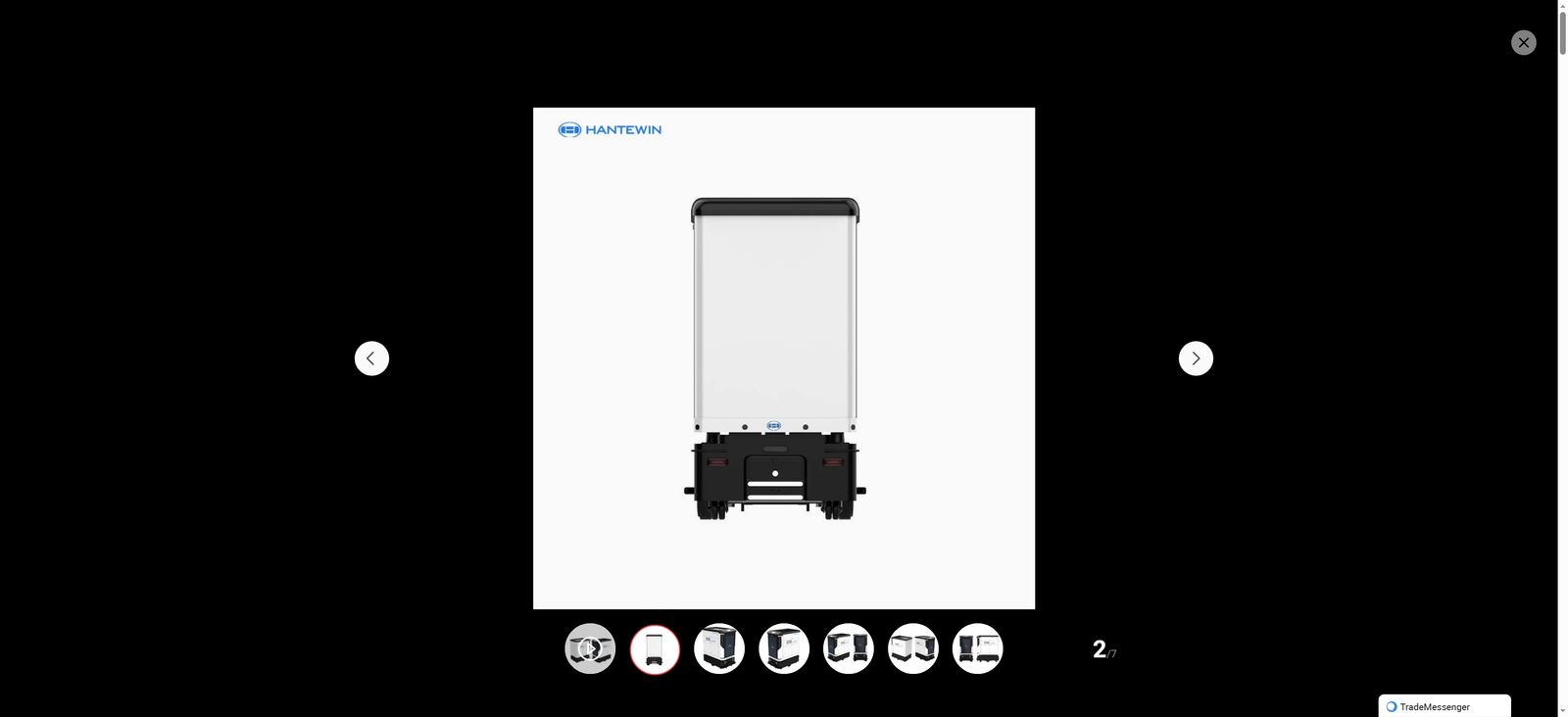
In the wave of digital transformation sweeping the catering and hotel industries, smart robots have evolved from novelty displays to indispensable core service forces. Among the key factors driving their widespread adoption, three advantages stand out prominently: unparalleled efficiency, optimized lightweight design, and reliable extended battery life. These features work in synergy to break through the bottlenecks of traditional manual services, creating a win-win situation for operational cost reduction and customer experience enhancement.
Efficiency: The Core Engine of Service Upgrade
Efficiency has become the primary demand for catering and hotel operators seeking intelligent transformation, and smart robots deliver exceptional performance in this regard. Unlike human staff who are limited by physical strength, fatigue, and shift rotations, these robots can maintain stable and high-frequency work for extended periods, fundamentally improving service throughput. In catering scenarios, advanced models such as Orion Star's delivery robots can complete 150 deliveries per day, transporting 400 to 600 plates of food—equivalent to the workload of 2 to 3 human servers . During peak dining hours, they seamlessly handle multi-table delivery tasks, dynamically optimize routes through SLAM and visual positioning technologies, and avoid obstacles with 360° panoramic perception systems, ensuring meals are delivered to customers quickly and accurately.
In hotel settings, the efficiency of smart robots is equally remarkable. Through integration with hotel management systems like Yunji Technology's HDOS, robots can automatically receive delivery orders triggered by voice commands (e.g., "Xiao Du, Xiao Du, send me toothbrushes"), retrieve items from smart lockers, and navigate to guest room doors with centimeter-level precision—all without human intervention . This not only saves front desk staff at least 3 hours of daily delivery time but also reduces service response latency to seconds, significantly boosting guest satisfaction. For large-scale venues such as theme park restaurants, robots can even handle 2,000 to 3,000 dirty plate recoveries per day, increasing table turnover efficiency by 300% .
Lightweight Design: Adapting to Complex On-Site Environments
The lightweight design of smart robots is a critical innovation that enables their adaptability to diverse and complex service environments in restaurants and hotels. Traditional service equipment often struggles with narrow passages, crowded spaces, and uneven surfaces, but lightweight robots overcome these challenges through sophisticated structural optimization. Using aviation-grade materials like Kirin alloy for core components, manufacturers achieve a balance between structural strength and weight reduction—resulting in robots that are easy to maneuver yet robust enough to withstand frequent collisions in high-traffic areas .
Models like Orion Star's Leopard Courier Slim are specifically engineered for compact spaces, with a minimum passage width requirement of only 55cm—equivalent to the shoulder width of an adult . This allows them to navigate smoothly through crowded restaurant aisles, hotel corridors, and even 59cm narrow paths in hot pot restaurants, ensuring services remain unobstructed regardless of venue constraints . Additionally, the lightweight design reduces energy consumption, lays the foundation for extended battery life, and lowers maintenance costs by decreasing wear on moving parts. The robots' anti-corrosion and IP54 protection-level bodies further enhance their adaptability, enabling stable operation in harsh environments ranging from 20°C to 50°C, such as humid hotel kitchens and high-temperature hot pot dining areas .
Extended Battery Life: Guaranteeing Uninterrupted Service
Reliable extended battery life is the cornerstone of ensuring robots can fulfill their efficiency potential throughout daily operations. Manufacturers have made significant breakthroughs in battery technology, adopting high-density energy storage solutions and intelligent power management systems to eliminate the limitations of frequent charging. Midcore National Storage's high-density batteries, for instance, enable robots to work continuously for 12 hours on a single charge—16% longer than traditional batteries—greatly reducing downtime during busy service periods .
Advanced power-saving technologies and flexible charging solutions further enhance usability. Some high-end models feature hot-swappable dual batteries, supporting 24-hour uninterrupted operation to meet the round-the-clock service needs of hotels and 24-hour diners . Others offer "2-hour fast charging, full-day service" capabilities, allowing operators to recharge robots during off-peak hours without disrupting workflow . Smart battery management systems also monitor health status in real-time, with cloud platforms achieving a 92% fault prediction rate for battery issues, ensuring proactive maintenance and avoiding unexpected service interruptions . For scenarios requiring long-distance movement, such as hotel cross-floor delivery and railway station catering services, robots can maintain a daily operating range of 9km with an error rate of less than 0.1% .
Synergistic Innovation: Shaping the Future of Smart Services
The integration of efficiency, lightweight design, and extended battery life has not only transformed daily services but also opened up new possibilities for the industry. In catering, robots free human staff from repetitive tasks like delivery and plate recovery, allowing them to focus on personalized services such as table-side explanations and dish recommendations—ultimately increasing customer loyalty and revenue . In hotels, the combination of voice interaction, intelligent scheduling, and long-lasting robot services has created a "guest demand precision capture, efficient service execution, and data-driven management" ecosystem, with some solutions covering over 2.3 million hotel rooms nationwide .
As technology advances, future smart robots will further integrate edge AI, multi-modal perception, and large language models, enhancing their decision-making capabilities and interaction intelligence . The synergy of efficiency, lightweight design, and extended battery life will continue to be the foundation of this evolution, driving the catering and hotel industries toward a more intelligent, efficient, and human-centric future. For operators, embracing such robots is no longer a choice but a strategic necessity to stay competitive in the digital age.