
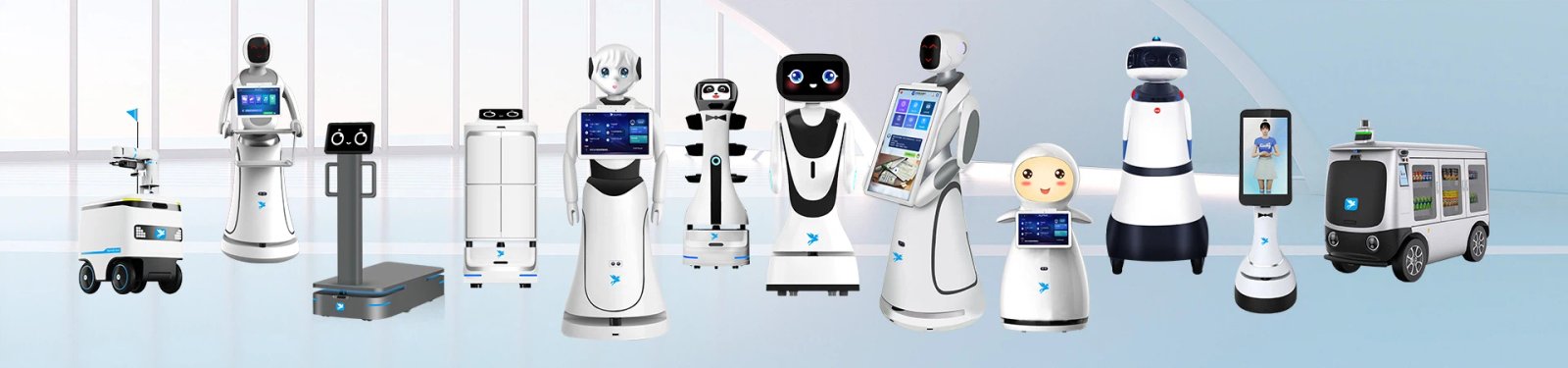
When discussing the price and advantages of robots, we explore the evolving landscape of robotic technology, which continues to influence various industries from household cleaning to advanced manufacturing. The price of robots can vary greatly depending on their intended function, size, complexity, and the market they serve.
For example, household robots like vacuum cleaners or lawnmowers typically cost between $100 to $1,000, with high-end models featuring advanced navigation, smart home integration, and powerful suction capabilities. Robots in commercial settings, such as industrial robots used for assembly lines or automation in factories, can cost tens of thousands to several hundred thousand dollars, depending on their sophistication and the tasks they are designed to perform.
The advantages of robots extend well beyond cost considerations. One of the primary benefits is their efficiency. Robots can perform repetitive tasks much faster and more accurately than humans, significantly increasing productivity. This is particularly true in industries like manufacturing, where robotic arms can work around the clock without the need for breaks, ensuring continuous operation.
Another advantage is precision. Robots are able to carry out intricate tasks with minimal error, which is critical in fields such as surgery, electronics assembly, and research. Their precision also reduces the risk of human mistakes, making processes safer and more reliable.
Additionally, robots can improve safety. In hazardous environments like mines, nuclear plants, or disaster zones, robots can take on tasks that would be too dangerous for humans. This can prevent injuries or fatalities, ensuring that people are not exposed to harmful situations.
In terms of cost-effectiveness over time, robots can lead to savings on labor costs and reduce the likelihood of errors that might result in expensive product recalls or repairs. As technology advances and becomes more affordable, the potential for robots to be integrated into daily life continues to grow, further enhancing their economic and practical value.
Robots are not just tools for replacing human labor but are becoming partners in innovation, helping to overcome challenges and pushing the boundaries of what’s possible in every sector they touch.