
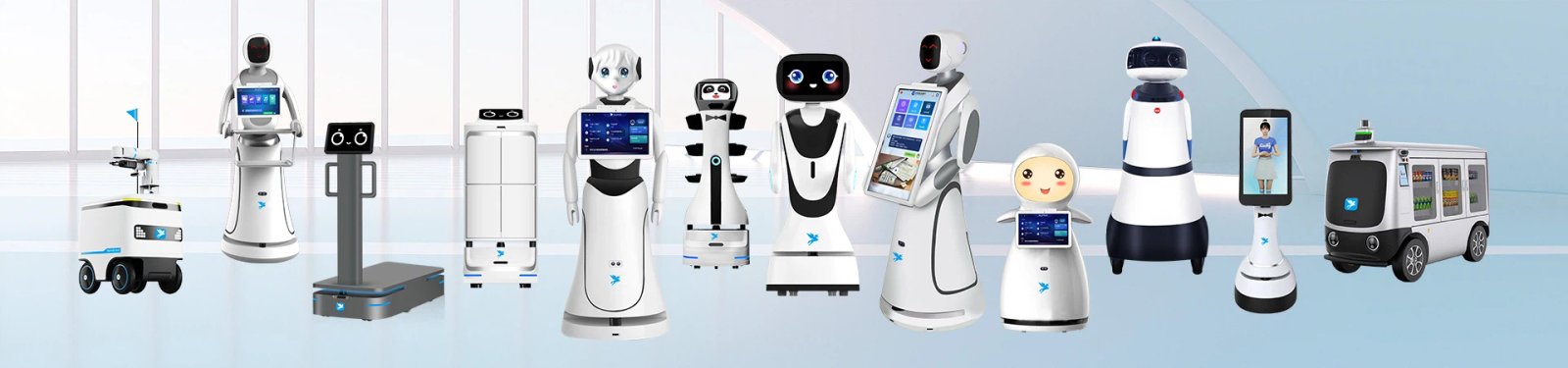
The price and advantages of robots vary significantly across different categories, such as home robots, industrial robots, and specialized systems. In general, the cost of robots can range from a few hundred to tens of thousands of dollars, depending on the level of sophistication, the application they are designed for, and the technology incorporated into their design.
Home robots, such as robotic vacuum cleaners, range from affordable options starting at $200 to premium models that can exceed $1,000. These robots are designed to make daily chores easier, with features like automatic cleaning schedules, mapping capabilities, and voice control. The most advanced models, like the Roborock series, can also mop and handle complex floor plans, offering a complete smart home integration.
Industrial robots—used in manufacturing, logistics, and other industries—are generally more expensive, with prices often starting in the range of $10,000 to $50,000 and can climb even higher depending on the task and precision required. These robots are designed for tasks like assembly, welding, painting, and material handling. They improve production efficiency, reduce human labor, and enhance precision and safety, thus driving down long-term operational costs.
One of the key advantages of robots is their ability to perform repetitive and labor-intensive tasks consistently, freeing humans for more creative or complex jobs. In homes, robots can save time and effort in routine tasks such as cleaning, making them especially useful for busy individuals. In industrial settings, robots increase productivity by operating 24/7 without the need for breaks or rest, thus optimizing production cycles and improving cost-efficiency. Additionally, robots can take on dangerous tasks in hazardous environments, such as working in high temperatures, toxic environments, or hazardous areas, ensuring greater safety for human workers.
Robots are also capable of adapting to complex tasks and environments. For instance, advanced robots can perform delicate operations in fields like surgery or precision manufacturing, where the accuracy and repetition of a task are critical. Artificial intelligence and machine learning technologies continue to enhance the capabilities of robots, allowing them to learn from their environment and improve their operations over time.
While the upfront price of robots may seem steep, their long-term savings in labor costs, time, and operational efficiency make them a worthwhile investment for many individuals and businesses. The advancement of robot technology also promises a future where robots become even more affordable and capable, thus opening up new opportunities for innovation across various sectors.