
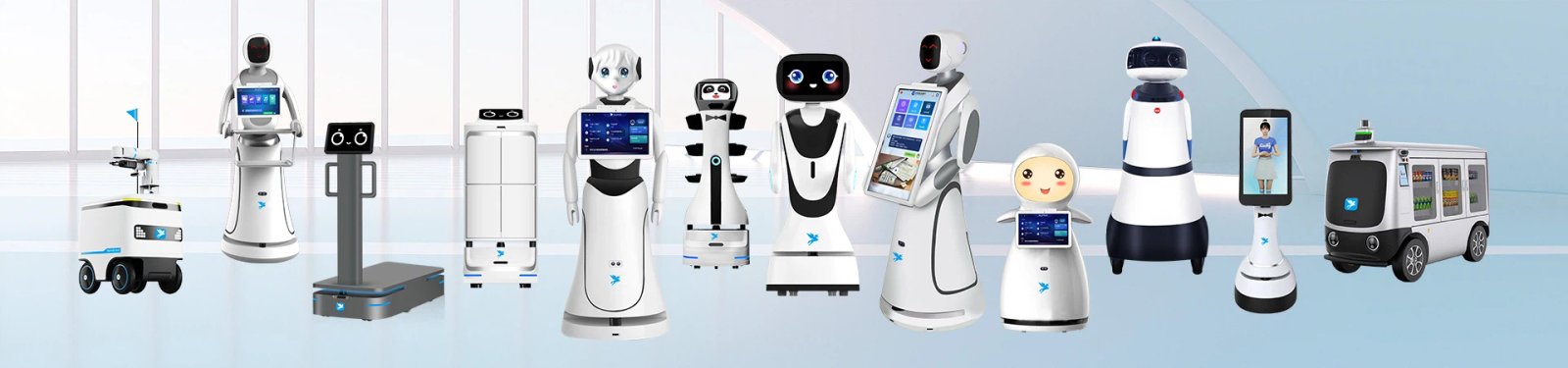
The price of robots can vary significantly depending on the type and functionality. Entry-level robots, such as simple robotic vacuum cleaners or toys, can start around $100 to $300. Mid-range robots that offer more advanced capabilities, like smart home integration or more precise movement, are typically priced between $500 and $1,500. High-end models, such as industrial robots or sophisticated service robots with AI-driven capabilities, can cost anywhere from $5,000 to tens of thousands of dollars. Prices are affected by factors like sensors, software, processing power, and the intended use case of the robot.
The advantages of robots, however, extend far beyond their initial cost. One of the key benefits is increased efficiency and productivity. In industries, robots can perform repetitive tasks more quickly and with greater precision than humans, reducing the likelihood of errors and boosting overall output. This is especially noticeable in manufacturing environments where robots can work around the clock without breaks or fatigue.
Robots also enhance safety by taking over hazardous tasks. In sectors like construction, healthcare, and disaster recovery, robots can access dangerous environments, reducing the risk to human workers. For example, medical robots can assist in surgeries, while autonomous robots can navigate risky terrains in search-and-rescue missions.
In the consumer sector, robots like vacuum cleaners, lawnmowers, and personal assistants offer significant convenience by automating everyday chores. This allows individuals to free up time for more valuable activities or simply to relax. Additionally, robots with AI integration can learn from their environment, making them adaptable and capable of improving their performance over time.
The scalability of robots is another advantage. Once a system is in place, robots can be easily replicated or scaled up to meet growing demand. They also help businesses reduce labor costs in the long run by automating tasks that would otherwise require human workers.
Lastly, robots can make tasks more accessible for people with disabilities. For example, assistive robots can help individuals with mobility impairments perform daily activities, improving their quality of life and independence.
Ultimately, while the price of robots can be a considerable investment, the long-term advantages—such as efficiency, safety, and convenience—make them invaluable tools across various industries and in everyday life.