
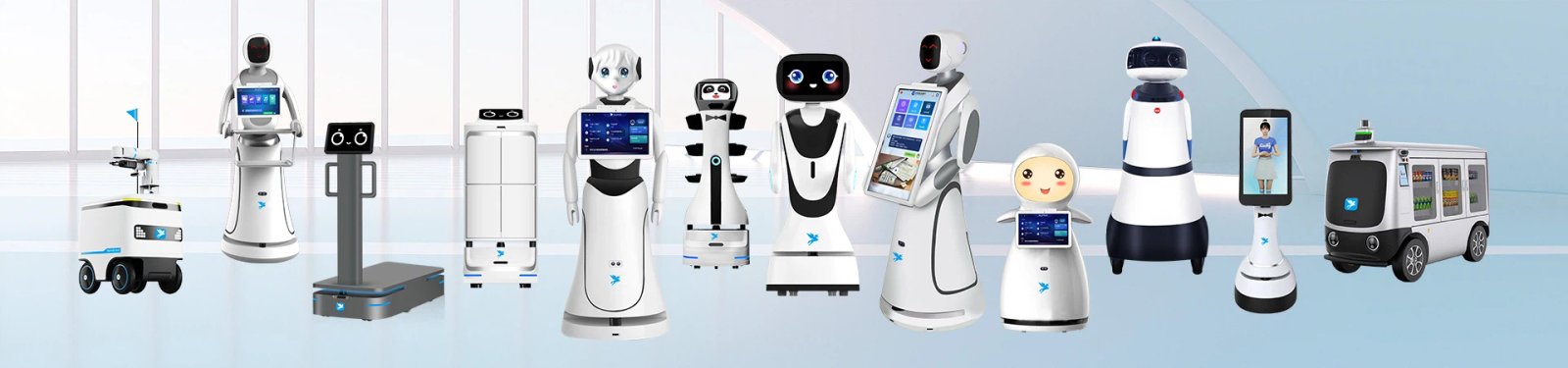
TurtleBot: A Comprehensive Overview of the Mobile Robot Platform
TurtleBot is an open-source mobile robot platform designed for education, research, and development in robotics. It serves as an ideal solution for developers, hobbyists, and researchers looking to explore the possibilities of robotics, machine learning, and autonomous navigation. TurtleBot is built around the Robot Operating System (ROS), making it highly customizable and accessible. In this article, we will explore its key features, advantages, and applications, followed by a review from a user’s perspective.
1. Key Features of TurtleBot
Open-Source Platform: TurtleBot is powered by ROS, ensuring seamless integration with a wide range of sensors and tools. Its open-source nature allows users to easily modify and extend the robot’s capabilities.
Versatile Design: The robot is designed to be modular, allowing users to swap out components such as the sensors, motors, and cameras to suit their needs.
Affordability: Compared to other mobile robots, TurtleBot is relatively inexpensive, making it an attractive option for academic institutions and individual researchers.
Advanced Navigation: The robot’s advanced navigation capabilities are powered by the ROS navigation stack, which allows it to perform tasks such as obstacle avoidance, path planning, and mapping.
Sensor Integration: TurtleBot typically includes sensors like LIDAR, cameras, and depth sensors, which help it navigate and perceive its environment in real time.
2. Applications of TurtleBot
Educational Tool: TurtleBot is widely used in robotics courses and workshops to teach students about robot design, programming, and autonomous behavior.
Research and Development: Researchers use TurtleBot to develop new algorithms for robot navigation, localization, and mapping. Its versatility makes it ideal for experimenting with machine learning models and other advanced concepts.
Robotics Competitions: Many robotics competitions use TurtleBot as a standard platform for building and testing autonomous robots. Its open-source nature allows teams to add custom features and create innovative designs.
3. Advantages of Using TurtleBot
Ease of Use: The TurtleBot is user-friendly, with an active community and comprehensive documentation that helps both beginners and experienced users get up to speed quickly.
Flexibility: Thanks to ROS, TurtleBot is highly adaptable and can be integrated with a variety of sensors, software tools, and third-party hardware.
Strong Community Support: With an active user base and community forums, users can easily find help, share ideas, and collaborate on projects.
4. Challenges and Considerations
Limited Payload Capacity: While TurtleBot is versatile, its payload capacity is limited, which means it may not be suitable for applications that require heavy lifting.
Battery Life: The robot’s battery life can be a limiting factor, especially during long-running operations. Users may need to implement power-saving techniques or plan for regular recharging.
Customization Complexity: While customization is one of TurtleBot’s strongest points, modifying and integrating new sensors or software can require advanced technical knowledge, which may pose a challenge for beginners.
TurtleBot Review: First-Person Perspective
As someone who has used TurtleBot for both educational and research purposes, I can confidently say it is an excellent platform for anyone interested in robotics. The open-source nature of TurtleBot makes it incredibly flexible, and the integration with ROS is a game-changer for developing sophisticated algorithms.
I first started using TurtleBot in a university course focused on autonomous systems, and it was a perfect fit for learning the basics of robot navigation, path planning, and sensor integration. The robot’s modular design meant I could easily swap out components as I progressed in my learning, allowing me to test new sensors and customize the robot’s functionality.
What I appreciate the most is the strong community behind TurtleBot. Whenever I ran into issues, the forums and user groups provided plenty of solutions and suggestions. The robot is also relatively affordable compared to other platforms, which makes it an attractive option for hobbyists and students on a budget.
That said, there are a few drawbacks. The battery life could be better, especially during extended sessions. And while the robot is versatile, making significant hardware modifications or integrating custom sensors can be a bit challenging for beginners. But overall, I’ve found TurtleBot to be a fantastic tool for learning and experimentation, with great potential for anyone looking to dive deeper into the world of robotics.