
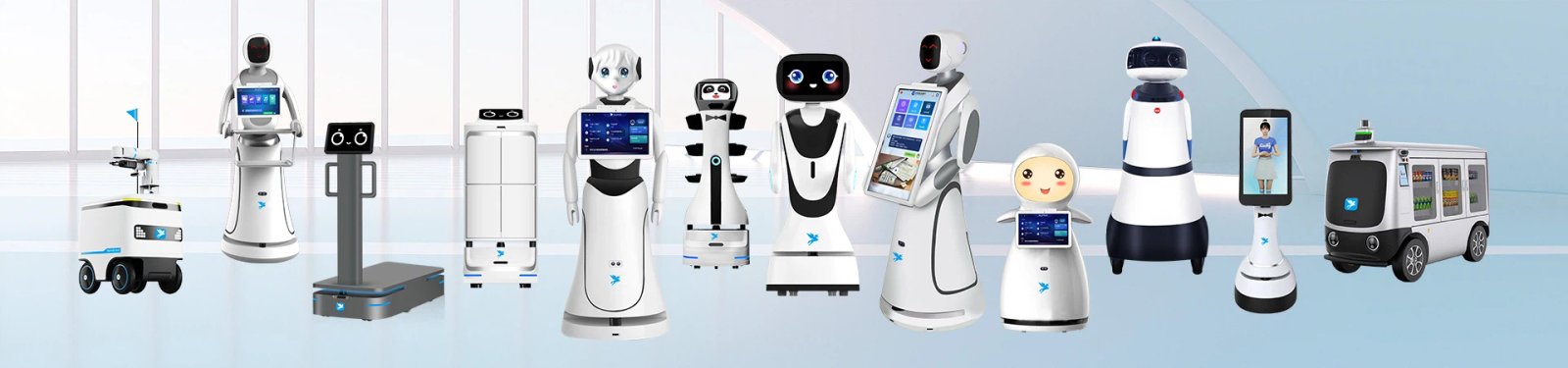
ROS Robot Overview
ROS (Robot Operating System) robots are designed to streamline and simplify the development of robotics software. ROS is not a full-fledged operating system but a flexible framework that provides libraries and tools to help developers build robot applications. It enables robots to perform complex tasks such as navigation, perception, and manipulation, offering modularity and the ability to interface with various hardware components. With an active and supportive community, ROS has become the go-to platform for both academic research and commercial development.
Key Features of ROS Robots:
Modular Architecture: ROS offers a distributed architecture that allows various components, such as sensors and actuators, to be easily integrated into the robot's system. This modularity enhances flexibility and reduces development time.
Real-time Performance: ROS can be integrated with real-time systems to enable robots to perform time-sensitive tasks. This is particularly useful for robots that require high precision in dynamic environments.
Simulation Capabilities: ROS includes powerful simulation tools like Gazebo, which allow developers to test robots in a virtual environment before deploying them in real-world settings. This helps save time and resources.
Hardware Interfacing: ROS supports numerous sensors and actuators, making it highly adaptable to various robot platforms. From basic mobile robots to advanced humanoid robots, ROS ensures compatibility.
Community and Ecosystem: ROS has a large, active community, which contributes a wealth of open-source packages. These packages can be leveraged to enhance robot functionality and accelerate development.
Cross-Platform Compatibility: ROS is primarily designed for Linux but has been ported to other platforms, including Windows and macOS. This flexibility allows developers to work in the environment they are most comfortable with.
Scalability: ROS scales well from small robots to large, complex systems. Whether you're building a small robot for educational purposes or a large industrial robot, ROS offers the tools necessary to manage complexity.
ROS Robot Review (First-Person Perspective)
As someone who has worked extensively with ROS robots, I can confidently say that the system's versatility is unmatched. It allows me to rapidly prototype robotic systems, thanks to its extensive libraries and tools. One of my favorite aspects is how easy it is to integrate various sensors and actuators. I once worked on a project where I had to combine a LiDAR sensor with a robotic arm for object manipulation. With ROS, the integration was seamless, and I could focus on the robot's behavior rather than low-level programming.
The real-time performance feature has also been a game-changer for me, especially when working on applications that require high-speed control, like drones or mobile robots. ROS's ability to work with real-time systems ensures that I can achieve the responsiveness needed for these tasks.
However, there’s a learning curve involved, especially when it comes to understanding ROS's structure and how to use its various components effectively. But once you get past that, the power of ROS becomes apparent. The simulation tools, especially Gazebo, have saved me countless hours of testing and debugging, allowing me to run realistic scenarios without the risk of damaging the hardware.
In summary, ROS is an invaluable tool for robot development. Whether you're just starting in robotics or you're working on cutting-edge projects, ROS provides a robust foundation that can handle everything from basic tasks to advanced robotics applications.