
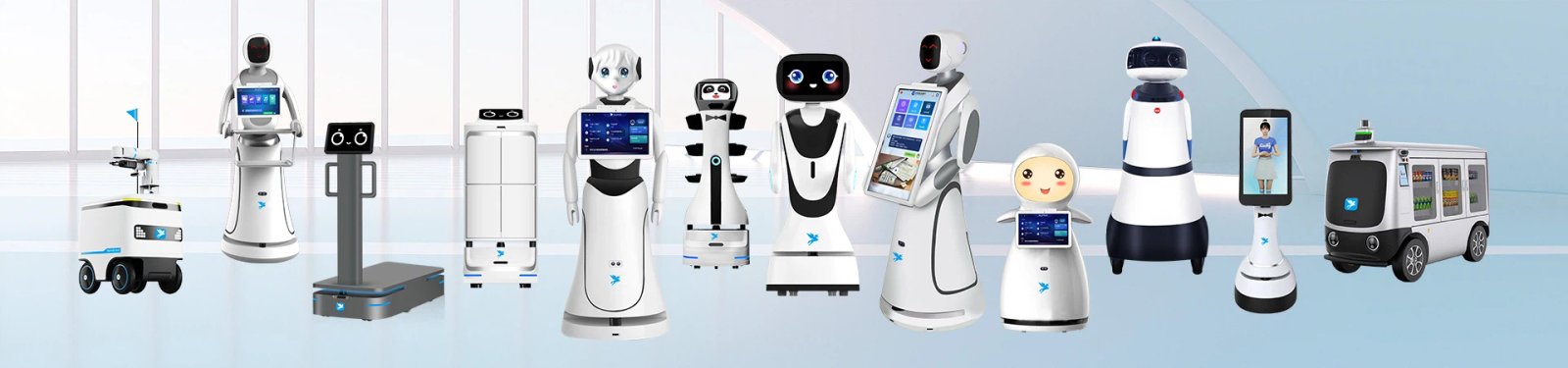
Multi-Robot Systems: Revolutionizing Automation and Efficiency
Multi-robot systems are designed to enhance efficiency by using multiple robots to work together toward a common goal. These systems are gaining popularity in industries such as manufacturing, logistics, and healthcare due to their ability to collaborate, adapt to dynamic environments, and optimize tasks. By distributing workloads, multi-robot systems can perform complex tasks faster, more accurately, and with greater reliability than a single robot. This innovative approach enables businesses to scale operations and reduce human labor, making automation more effective and cost-efficient.
Key Advantages of Multi-Robot Systems
Increased Efficiency and Speed
Multi-robot systems can handle tasks concurrently, allowing them to complete operations much faster than single-robot systems. By breaking down large tasks into smaller sub-tasks, robots can work simultaneously, drastically improving overall productivity.Flexibility in Task Allocation
These systems are highly adaptable, allowing robots to dynamically adjust to new conditions or unforeseen challenges. If one robot faces an obstacle, others can take over or re-route their tasks without interrupting the entire operation.Redundancy and Reliability
With multiple robots working together, there’s built-in redundancy. If one robot malfunctions, the system can redistribute tasks to other robots, ensuring continuous operation with minimal disruption.Collaboration and Coordination
Multi-robot systems excel in environments that require precise coordination. Robots can communicate with one another to share data, avoid collisions, and ensure smooth operation in complex environments, making them ideal for tasks that require teamwork.Cost Savings
By deploying multiple robots in place of a human workforce, businesses can reduce labor costs while maintaining high levels of performance. These systems also reduce the likelihood of human errors, which can be costly in the long term.Scalability
Multi-robot systems are highly scalable. As demands increase, additional robots can be added to the system to handle increased workloads without major reconfigurations.Advanced Autonomous Capabilities
With advancements in artificial intelligence (AI) and machine learning, multi-robot systems can make autonomous decisions based on real-time data, adapting to changing environments and optimizing operations without human intervention.
My Experience with Multi-Robot Systems
As someone who has worked closely with multi-robot systems, I can confidently say they are a game-changer in terms of productivity and efficiency. The integration of multiple robots that can autonomously coordinate with each other makes handling complex tasks so much smoother. I remember a project where robots were tasked with sorting and packing goods in a warehouse. The speed at which they completed the task was incredible. What stood out to me was how seamlessly the robots communicated to avoid bottlenecks and even re-routed their paths when one robot encountered an obstacle. The system’s ability to recover from minor malfunctions by reallocating tasks to other robots saved us from significant delays.
In terms of ease of use, setting up and managing a multi-robot system is straightforward, especially with the right software. The AI algorithms that power these robots are sophisticated enough to handle unexpected situations, ensuring the system runs efficiently without constant oversight. I’ve also noticed significant cost savings, particularly in terms of labor and error reduction, which makes multi-robot systems a valuable investment for any business looking to optimize its operations.