
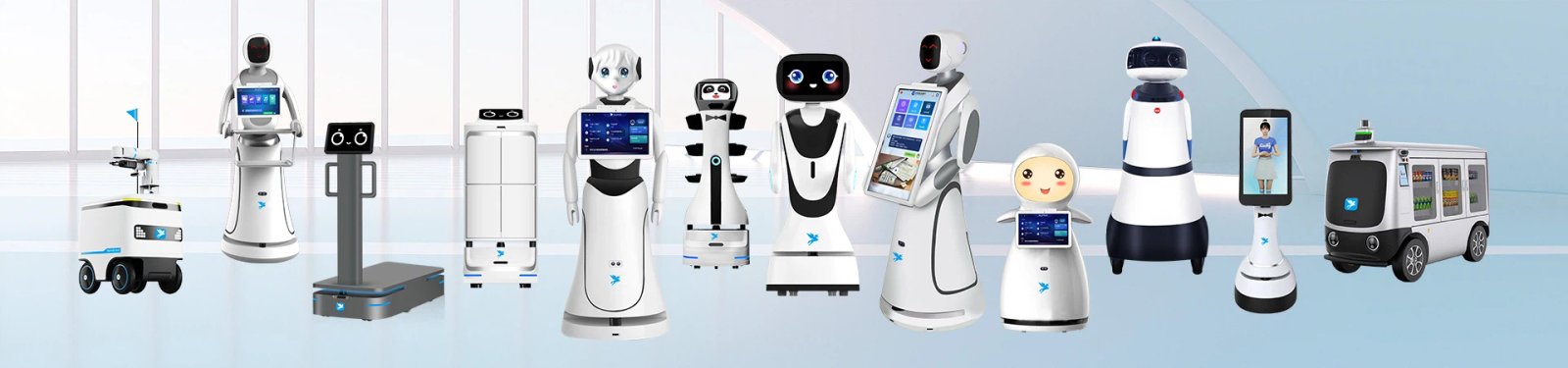
Mini robots, often compact in size but capable of performing specialized tasks, have surged in popularity due to their efficiency and versatility. These robots can range in price based on their capabilities, with basic models starting from around $100 to more advanced versions reaching $1,000 or more. The price often correlates with the complexity of the tasks they can handle, the technology they incorporate, and the brand reputation.
One of the main advantages of mini robots is their adaptability across various industries. They are frequently used in environments like homes for cleaning (such as vacuum robots), education for teaching purposes, or even in industrial settings for tasks like inventory management. The smaller size allows them to access areas that are challenging for larger machines, making them especially useful in tight or cluttered spaces.
In addition to their size, mini robots often feature advanced sensors and AI capabilities, which enable them to navigate complex environments autonomously. For instance, robots like the Roomba can efficiently map out a space and clean without human intervention. Some models are also highly customizable, allowing users to adapt them to specific needs, whether it's for industrial automation or personal convenience.
These robots often have lower energy consumption compared to their larger counterparts, making them more environmentally friendly and cost-effective in the long run. Their low maintenance requirements and ability to work autonomously make them ideal for reducing human labor in repetitive tasks, contributing to overall operational efficiency.
In conclusion, mini robots offer an attractive balance of affordability, functionality, and innovation. Their compact size and technological sophistication make them valuable tools in both personal and industrial applications, helping users save time, increase productivity, and streamline operations.