
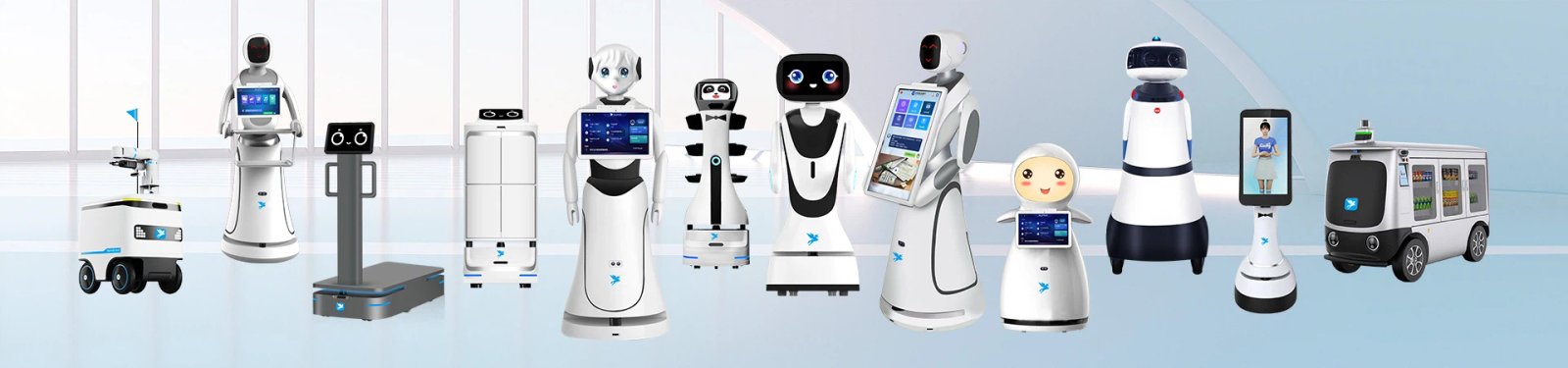
Robots, from consumer-grade gadgets like robotic vacuums to industrial machinery used in manufacturing, have significantly impacted various sectors by enhancing efficiency and automation. The price and advantages of robots depend largely on their type, functionality, and application.
Price
Consumer Robots:
The prices of robots in the consumer market can range widely based on their capabilities. For example, a basic robotic vacuum like the Roborock S7 can be priced around $500–$800, depending on features such as mapping, smart navigation, and automatic dirt disposal. Advanced consumer robots, like personal assistants or interactive robots (such as Anki Vector, priced at around $200–$300), can be more affordable but still bring added intelligence and convenience to everyday tasks.Industrial Robots:
On the industrial side, robots designed for tasks such as welding, assembly, or packaging can cost from $25,000 to over $100,000, with specialized robots such as ABB's robotic arms or UR5 costing between $30,000 and $60,000 for mid-range models. The complexity and customization options significantly affect the price. These industrial robots tend to offer higher durability and precision and are often built to handle repetitive, high-stress tasks.Service Robots:
Service robots such as AMRs (Autonomous Mobile Robots) used in warehouses or for delivery may start at around $15,000 and increase based on capabilities such as navigation systems, payload capacity, and range. These robots are becoming increasingly popular in logistics and retail industries, automating the movement of goods and reducing the need for manual labor.
Advantages
Increased Efficiency:
Robots excel at performing repetitive tasks with high precision and speed, which is especially beneficial in manufacturing environments. They can work around the clock without fatigue, contributing to continuous production processes and maximizing output.Cost-Effective in the Long Term:
Although robots often come with a high upfront cost, the long-term savings in labor costs, increased productivity, and reduced error rates make them highly cost-effective. Businesses can see a return on investment (ROI) within a few years, particularly when robots replace human workers for routine, high-volume tasks.Improved Safety:
Robots reduce human exposure to dangerous environments or tasks that could lead to injury. For instance, robots used in hazardous material handling, underwater exploration, or working in high-temperature zones ensure safety by taking on these risks instead of humans.Enhanced Precision and Quality:
Robots are capable of carrying out tasks with extremely high accuracy, which is particularly crucial in fields like medical surgery, semiconductor manufacturing, and automotive assembly. This precision helps improve product quality and reduces errors that could lead to defects or recalls.Scalability and Flexibility:
Modern robots, especially collaborative robots (cobots), can be easily programmed and reprogrammed to perform a wide range of tasks. This makes them incredibly flexible, allowing businesses to adapt to changing market needs or production requirements without needing to invest in entirely new systems.Automation of Mundane Tasks:
Robots take over monotonous and mundane tasks such as packaging, sorting, and cleaning, freeing up human workers for more creative or strategic work. For example, a robotic vacuum cleaner can autonomously clean your house without human intervention, allowing the owner to spend time on more enjoyable or productive activities.24/7 Operation:
Robots do not need breaks, sleep, or downtime, allowing for continuous work. This is especially valuable in industries where there’s a need for round-the-clock operations, such as healthcare, food production, and logistics.
Conclusion
While robots come at a significant cost, particularly in industrial applications, the numerous benefits—such as increased efficiency, enhanced safety, and the ability to automate repetitive tasks—make them invaluable tools for businesses across various sectors. Their advantages in precision, cost-effectiveness in the long term, and ability to operate continuously further solidify their position as indispensable assets in modern society.