
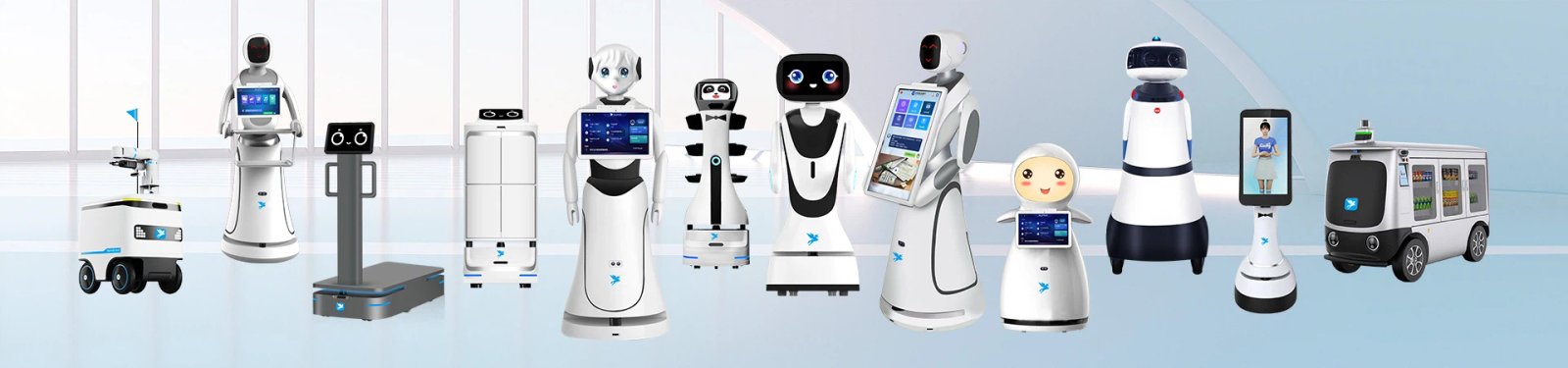
The pricing and advantages of robots vary depending on the type, complexity, and application. As robotics technology advances, prices have become more accessible across various industries and consumer segments, though high-end robots continue to command premium costs due to their capabilities and specialization.
Price of Robots
Robotic prices range significantly based on their functionalities and industries they serve. For instance:
Consumer Robots: Basic home robots like robotic vacuums (e.g., Roomba or Roborock) typically range from $200 to $1,500. These robots are often equipped with navigation systems and sensors, offering functions such as autonomous cleaning, mapping, and voice control.
Industrial Robots: These are generally more expensive, with prices often between $10,000 and $100,000 or higher, depending on the robot's functions, size, and application. For example, collaborative robots (cobots) designed for assembly or packaging tasks can be priced anywhere from $15,000 to $50,000.
Service Robots: Robots designed for healthcare, hospitality, or retail purposes can cost between $20,000 and $200,000. These robots often require advanced AI, sensors, and specialized software to perform tasks like patient care, delivery, or inventory management.
Specialized Robots: Highly specialized robots, such as autonomous vehicles, drones, or robots used in military or space exploration, can cost millions of dollars due to their complex design, durability, and the precision required.
Advantages of Robots
Robots, regardless of their price tag, offer a host of advantages:
Increased Efficiency: Robots can perform repetitive tasks with remarkable precision and speed. In industries like manufacturing, they can work around the clock, greatly increasing output while reducing downtime and operational costs.
Enhanced Precision: Robots, especially in fields like surgery, manufacturing, or research, offer precision far beyond human capability. For example, medical robots can perform delicate surgeries with higher accuracy, reducing human error and recovery times for patients.
Labor Force Augmentation: Robots can supplement the workforce, handling dangerous, tedious, or physically demanding tasks, thus enhancing safety and preventing worker fatigue or injury. This is especially beneficial in hazardous environments like mining, construction, and toxic chemical handling.
Cost Savings Over Time: Though the initial investment in robots might be high, they often result in substantial long-term savings. Robots reduce the need for human labor, lower the chances of error, and can operate for extended hours without needing breaks. This can result in a quick return on investment (ROI) in many industries.
Improved Consistency and Quality: Robots can perform tasks with a level of consistency that humans may find difficult to maintain. This can lead to higher product quality and fewer defects, which is especially critical in industries like food production, electronics, and pharmaceuticals.
Innovation and New Capabilities: Robotics opens the door to new forms of innovation. Whether it's autonomous delivery drones or robots designed for deep-sea exploration, the possibilities seem endless. They allow businesses to develop novel products and services, pushing the boundaries of what was once possible.
Scalability: Once robots are integrated into a process, scaling up production or expanding capabilities can be as simple as adding more units. This scalability can provide businesses with a competitive edge as they quickly respond to market demands.
Robots are not just transforming the way we work but also pushing the boundaries of innovation and efficiency. From consumer-friendly devices to complex industrial solutions, their potential is vast, and as technology continues to evolve, their advantages become even more pronounced.