
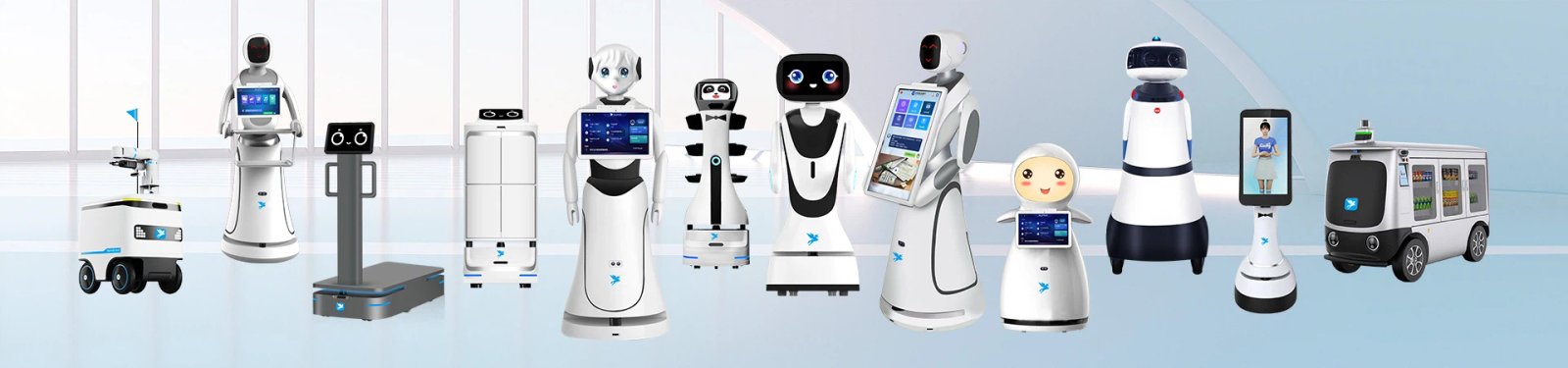
The Price and Advantages of Robots
In recent years, robots have become an integral part of various industries, ranging from manufacturing to healthcare and even home assistance. With advances in technology, robots are increasingly accessible and offer a wide array of benefits. The price of a robot varies significantly based on its type, functionality, and complexity. From budget-friendly options to high-end industrial machines, there's a robot for every need and budget.
Price Range of Robots
The price of robots varies widely depending on the application and the technology they incorporate. For instance, consumer robots like robotic vacuum cleaners, such as the Roborock or Roomba, range from $300 to $1,000, depending on the model and features like smart connectivity, navigation systems, and suction power. Personal assistant robots or educational robots designed for children may range between $100 and $500, offering basic interactive capabilities.
On the other hand, industrial robots can cost tens of thousands to hundreds of thousands of dollars. For example, collaborative robots (cobots) designed for small and medium enterprises can range from $20,000 to $50,000, while larger, more specialized robots used in assembly lines or manufacturing plants can go beyond $100,000.
Advantages of Robots
Increased Efficiency
Robots are designed to work faster and more accurately than humans. In manufacturing, robots can operate 24/7, performing repetitive tasks like assembling parts, welding, or painting, without the need for breaks. This leads to increased productivity and reduced downtime, ultimately boosting output and profit margins.Cost Savings
While robots might have a high initial cost, they can significantly reduce operational expenses in the long run. For example, in warehouses, robots help optimize space and streamline the supply chain, reducing the need for human labor. In the healthcare industry, robots can assist with surgeries or patient care, reducing human error and recovery time.Improved Safety
Robots can be employed in hazardous environments where it may be dangerous for humans to operate. For example, robots are used in bomb disposal, deep-sea exploration, and nuclear power plants, where exposure to toxic materials or extreme conditions could harm humans.Enhanced Precision
One of the greatest advantages of robots is their ability to perform highly precise tasks. In fields like surgery or electronics manufacturing, robots can deliver results with pinpoint accuracy, which minimizes errors and improves the quality of the final product.Scalability and Flexibility
Robots can be easily scaled to meet increasing demand. For businesses, robots can be upgraded or adapted to handle new tasks or products. Their versatility makes them valuable in various industries, from agriculture to logistics.Improved Customer Experience
In retail, robots are used for tasks like inventory management, order fulfillment, and even customer service. Their efficiency leads to quicker service and better customer satisfaction, improving overall business performance.
Review Content
As a product category, robots offer immense potential for both businesses and individuals. They are transforming industries by making tasks more efficient, safer, and more cost-effective. Consumer robots, such as home assistants and cleaners, have become highly popular for their convenience and time-saving features. While the price may seem steep for some, the long-term benefits in terms of convenience, efficiency, and safety make them a worthy investment.
Industrial robots, particularly collaborative models, offer the flexibility that modern companies need to remain competitive. With capabilities like human-robot collaboration, enhanced safety features, and easy integration into existing workflows, cobots provide significant advantages for small to medium-sized enterprises.
That said, the main drawback remains the initial price tag. Industrial robots, in particular, require a significant investment, which can be a challenge for smaller companies or startups. Additionally, while robots excel at repetitive and standardized tasks, they are less effective at handling complex decision-making situations or tasks requiring emotional intelligence.
In conclusion, the rise of robotics in everyday life and business brings undeniable benefits in terms of productivity, safety, and precision. Although the cost can be prohibitive for some, the long-term advantages of automation and efficiency make robots an indispensable tool in a wide array of sectors.