
Delivery Robot
Why Choose US
Core Technology
The company masters the two-wheel robot Core technologies such as differential chassis, wire-controlled chassis, motor drive control, indoor navigation algorithm, outdoor low-speed driverless driving, AI large model, IOT elevator control system, etc
Excellent Service
If there is an abnormality in the product, the supplier will respond within 2 hours and provide solutions within 24 hours. If on-site service is required, the appointment time will be confirmed within 24 hours. Additionally, remote or video solutions will also be provided.
Product Application
Applications include catering, hotels, new retail, government, education, medical services, public announcement systems, finance, exhibition halls, factories, and other industries.
Production Market
With exports to 75 countries, Alpha Robotics leads the market in global sales.
-
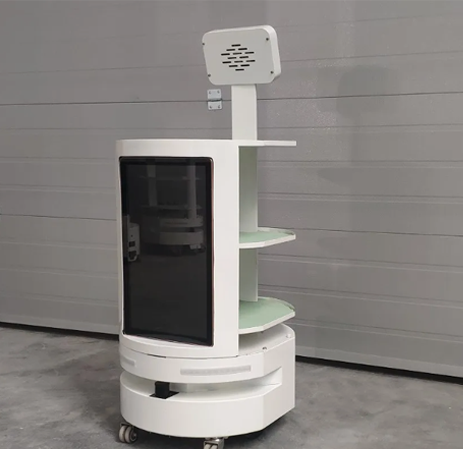
![Takeout Delivery Robot]() Multi-Functional Hotel Service Robot: Advertising Screen-Equipped, Food Delivery + Distribution + Advertising, Multi-PurposeCW-G Intelligent Commercial Service Robot The CW-G Advertising Robot combines dual functions in one: efficient food delivery and dynamic digital advertising—far more than a simple transport tooread more
Multi-Functional Hotel Service Robot: Advertising Screen-Equipped, Food Delivery + Distribution + Advertising, Multi-PurposeCW-G Intelligent Commercial Service Robot The CW-G Advertising Robot combines dual functions in one: efficient food delivery and dynamic digital advertising—far more than a simple transport tooread more -
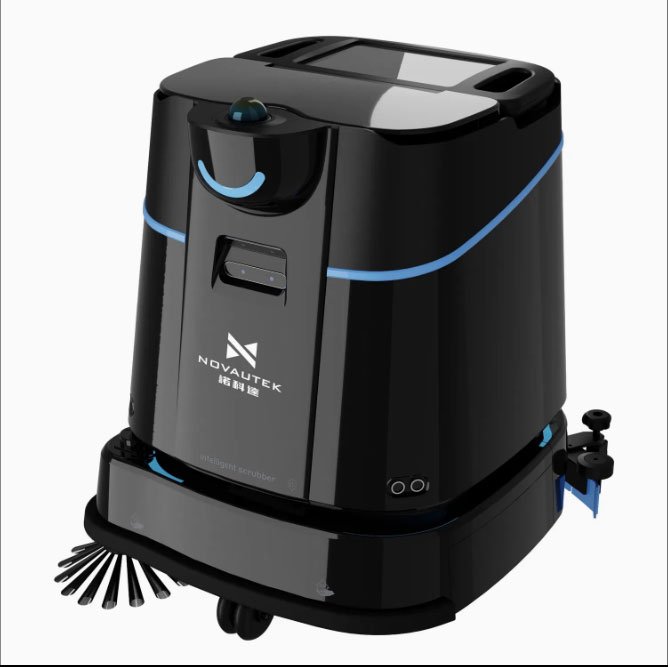
![Takeout Delivery Robot]() Ai Self-Drive Auto Clean Robot Electric Commercial Cleaning Sweeping Mopping for Hotels Offices with Smart APPYour ultimate solution for efficient, intelligent cleaning in various settings. - Widely applicable in various settings: hospitals, shopping malls, hotels, factories, offices, and more. - High cleanread more
Ai Self-Drive Auto Clean Robot Electric Commercial Cleaning Sweeping Mopping for Hotels Offices with Smart APPYour ultimate solution for efficient, intelligent cleaning in various settings. - Widely applicable in various settings: hospitals, shopping malls, hotels, factories, offices, and more. - High cleanread more -
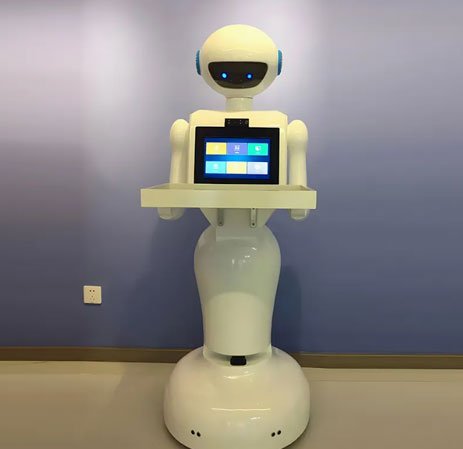
![Takeout Delivery Robot]() Dish Delivery Robot Robot for Hotel Delivery RoomFood delivery robots are intelligent assistants for dining environments, capable of autonomously planning routes, avoiding obstacles, and precisely delivering food to designated tables. They support fread more
Dish Delivery Robot Robot for Hotel Delivery RoomFood delivery robots are intelligent assistants for dining environments, capable of autonomously planning routes, avoiding obstacles, and precisely delivering food to designated tables. They support fread more -
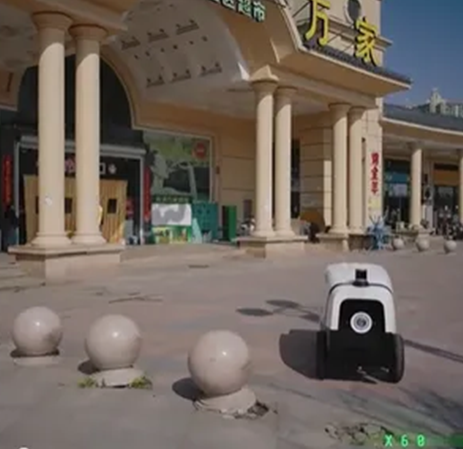
![Takeout Delivery Robot]() Autonomous Hotel Delivery Robot Ultra-Durable New Arrival Food Delivery Smart Delivery RobotAUTONOMOUS DELIVERY VEHICLE-SKYBOTAUTONOMOUS DELIVERY VEHICLE-SKYBOT is the first small-sized autonomous delivery vehicle designed specifically for both indoor and outdoor use. It is particularly suitread more
Autonomous Hotel Delivery Robot Ultra-Durable New Arrival Food Delivery Smart Delivery RobotAUTONOMOUS DELIVERY VEHICLE-SKYBOTAUTONOMOUS DELIVERY VEHICLE-SKYBOT is the first small-sized autonomous delivery vehicle designed specifically for both indoor and outdoor use. It is particularly suitread more -
![Takeout Delivery Robot]() S Series - JX-612Translation: Rich Scene CapabilityRealize industrial delivery robots and achieve efficient working capabilities according to different scene conditions.Translation: Product AdvantagesCan intread more
S Series - JX-612Translation: Rich Scene CapabilityRealize industrial delivery robots and achieve efficient working capabilities according to different scene conditions.Translation: Product AdvantagesCan intread more -
![Takeout Delivery Robot]() S series - JX-614Provide multifunctional and customizable industry solutions:Escort the development of the times with AI and open a new era of intelligent robot services | Zero-cost remote deployment | Dynamic path naread more
S series - JX-614Provide multifunctional and customizable industry solutions:Escort the development of the times with AI and open a new era of intelligent robot services | Zero-cost remote deployment | Dynamic path naread more -
![Takeout Delivery Robot]() S Series - JX-613Provide Multi-functional Customizable Industry Solutions | Escort the development of the times with AI and open a new era of intelligent robot services | intelligent robot services | Zero-cost Remoteread more
S Series - JX-613Provide Multi-functional Customizable Industry Solutions | Escort the development of the times with AI and open a new era of intelligent robot services | intelligent robot services | Zero-cost Remoteread more -
![Takeout Delivery Robot]() S Series - JX-813Provide multifunctional and customizable industry solutions:Escort the development of the times with AI and open a new era of intelligent robot services | Zero-cost remote deployment | Dynamic path naread more
S Series - JX-813Provide multifunctional and customizable industry solutions:Escort the development of the times with AI and open a new era of intelligent robot services | Zero-cost remote deployment | Dynamic path naread more -
![Takeout Delivery Robot]() S Series - JX-812Provide multifunctional and customizable industry solutions:Escort the development of the times with AI and open a new era of intelligent robot services | Zero-cost remote deployment | Dynamic path naread more
S Series - JX-812Provide multifunctional and customizable industry solutions:Escort the development of the times with AI and open a new era of intelligent robot services | Zero-cost remote deployment | Dynamic path naread more -
![Takeout Delivery Robot]() S series - JX-615Provide multifunctional and customizable industry solutions:Escort the development of the times with AI and open a new era of intelligent robot services | Zero-cost remote deployment | Dynamic path naread more
S series - JX-615Provide multifunctional and customizable industry solutions:Escort the development of the times with AI and open a new era of intelligent robot services | Zero-cost remote deployment | Dynamic path naread more
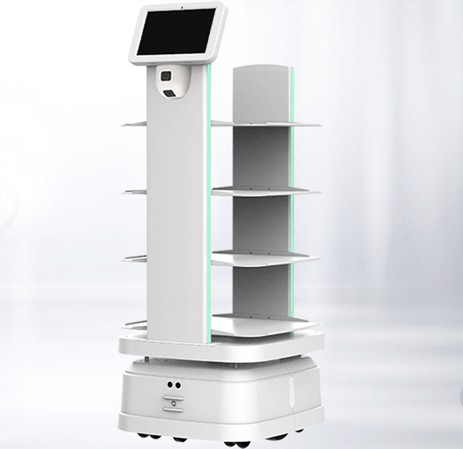
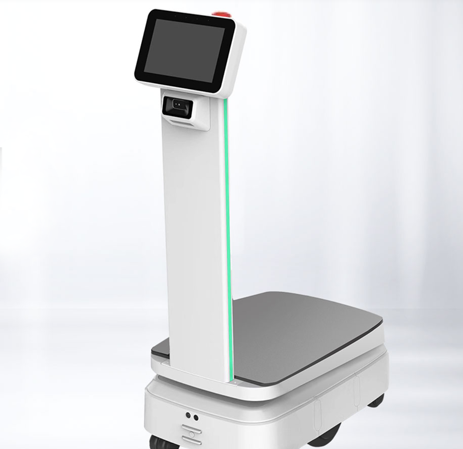
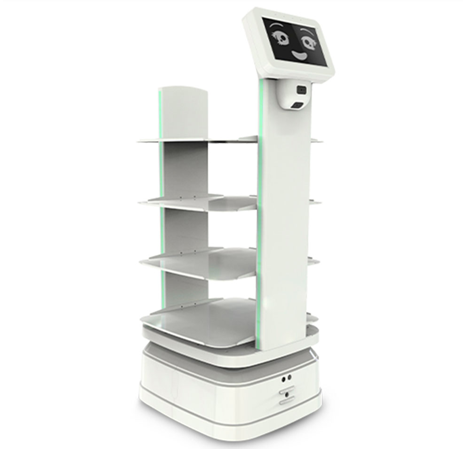
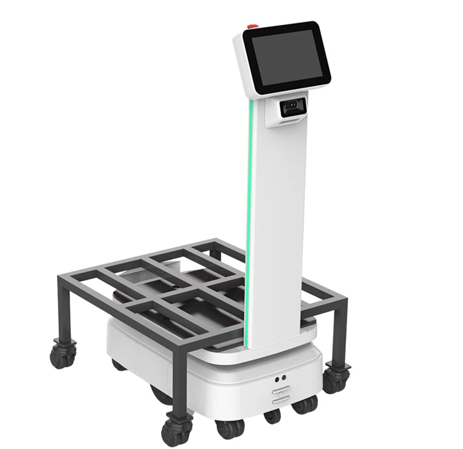
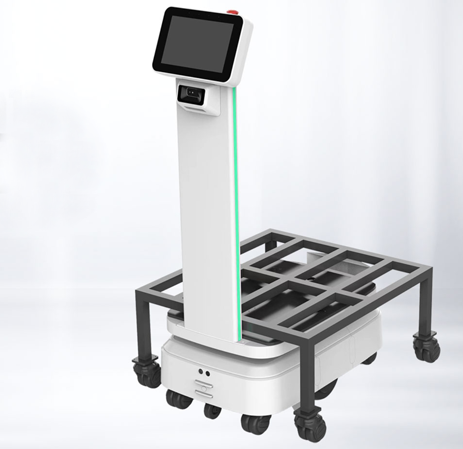
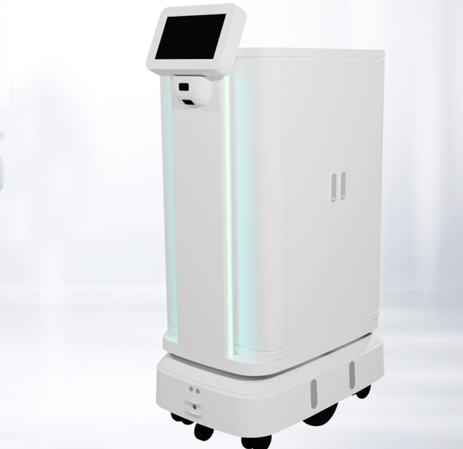
Types of AI Service Robot
Hotel Reception Robot
Hotel reception is an important part of the daily work of the hotel.Intelligent service robots can improve the work efficiency of the hotel and increase the sense of modern technology of the hotel.It can bring a new stay experience to the guests.
Office Reception Robot
Office reception robot is an effective helper to enhance office work efficiency.It has the dual duties of receptionist and office assistant.
Airport Guiding Robot
The airport has a large flow of people every day, and our airport reception robot can greatly alleviate the function of airport staff shortage. Its guide function can provide visitors with accurate map guidance.
Shopping Mall Concierge Robot
There is a wide variety of products in the shopping mall, and our shopping concierge robot can accurately guide customers to the product area they want.It can also act as a billboard, broadcasting advertising messages.
Museum Guide Robot
Museum guide robot can act as a professional docent, lead the way for guests, and at the same time, tell guests professional knowledge of the exhibits and introduce the history of the exhibits.It can answer all kinds of questions of guests.
Retail Stores Guide Robot
Retail stores guide robot can record the information and prices of various goods, introduce products to guests, and play promotional advertisements for stores.
Advantages of AI Service Robot


Safety
Frontline Service Robots: Their role in delivery service
The most important reason businesses use robotic service machines is to increase the safety of workers. Certain service robots are employed to complete dangerous tasks while allowing humans to concentrate on their intellectual work.
Efficiency
Apart from safety, businesses employ an automated robotic service because it helps increase their work efficiency. The robots are never tired and never have to endure interruptions, which significantly enhances productivity and cost savings.
Productivity
Service robots also improve productivity. They deliver more precise and reliable results than humans. They make fewer or even errors and produce quality work consistently. In this way, they result in higher production and increase the company’s return on investment and profit margin.
Savings
Service robots provide huge time savings since they can accomplish more workers in a certain time frame than their human counterparts. They also minimize waste because of their specific outcome execution. In time, they allow businesses to save a significant amount of money through their higher ROIs and the use of fewer resources.
Size: 17.5 " × 17 " × 41 " (44 cm × 43 cm × 104 cm)
Number of Trays: 2 trays - 16 ” (40 cm), 1 bus tub
Weight: 75 lb (34 kg)
Payload: 66 lb (30 kg)
Battery Life
8 - 12 hrs
Charging Type
Wall charger (Input 100~240V AC 3.5A 50/60 Hz, Output 28.6V DC, 8.0A)
Controller
External tablet or attached touchscreen
Before launching your service robots program, we conduct a thorough onboarding, taking the time to identify risk factors, KPIs, necessary training, and a proactive preventive maintenance strategy.
Then, we support the launch of your service robots by communicating with both internal and external stakeholders about this new technology, how it works, and how it will amplify (not replace) human labor.
Our customers can also capture current performance and maximize ROI, our proprietary data and reporting platform, which can track robot performance over time, evaluate where they can have the greatest impact, and pursue continuous improvement in both efficiency and cleaning outcomes.
Finally, we work with our customers to maintain ongoing strategic guidance, unlock new efficiencies as your robotics program matures, and draw on time-saving resources.
Applications of Service Robots
Healthcare
Service robots are transforming healthcare. Surgical robots assist in precise operations, improving outcomes. Patient care robots help with routine tasks, ensuring better care. Rehabilitation robots support patients in their recovery, making your work more efficient.
Hospitality & Customer Service
In hospitality, service robots enhance guest experiences. Hotel service robots deliver items to rooms, reducing wait times. Information kiosks provide guests with directions and information, making their stay more enjoyable.
Logistics & Delivery
Service robots streamline logistics and delivery. Warehouse robots handle inventory and move goods efficiently. Last-mile delivery robots bring packages directly to your customers, speeding up the delivery process.
Cleaning & Maintenance
Service robots excel in cleaning and maintenance tasks. Robotic vacuum cleaners keep your floors clean without any effort from you. Window cleaning robots ensure spotless windows, saving you time and effort.
Components of Service Robot
Actuator: A component of a machine that is responsible for moving or controlling a mechanism or system.
Artificial Intelligence (AI): The capability of a machine to imitate intelligent human behavior.
Autonomous Robots: Robots that can perform desired tasks in unstructured environments without continuous human guidance.
Degrees of Freedom (DoF): The number of independent ways a robot can move, defined by the number of axes of motion they have.
Deployment: The process of setting a robot to perform its tasks in the real world after design, testing, and validation stages.
End Effector: The device at the end of a robotic arm, designed to interact with the environment. The exact nature of this device depends on the application of the robot.
HRI (Human-Robot Interaction): A field of study dedicated to understanding, designing, and evaluating robotic systems for use by or with humans.
Machine Learning (ML): A type of artificial intelligence that allows software applications to become more accurate in predicting outcomes without being explicitly programmed.
Mapping: Robotic mapping is an essential computer vision and cartography discipline. The goal for an autonomous robot is to be able to construct a map or floor plan and to localize itself and its recharging bases or beacons in it.
Path Planning: Creating a route the robot can use to achieve its task.
Payload: The weight that a robot arm can lift or move.
Robot Operating System (ROS): A flexible framework for writing robot software, providing tools and libraries for simplifying the task of creating complex and robust robot behavior.
Robot-as-a-Service (RaaS): A cloud computing unit that facilitates the seamless integration of robots and embedded devices into Web and cloud computing environments.
Robotics: The field of engineering and science that involves the design, construction, operation, and application of robots.
Sensor: A device that detects or measures a physical property and records, indicates, or responds to it.
SLAM (Simultaneous Localization and Mapping): A technology used in robotics to produce a map of the environment and to localize the robot at the same time.

Certificate

FAQ
We're well-known as one of the leading service robot manufacturers and suppliers. Please rest assured to wholesale high quality service robot for sale here and get quotation from our factory. For price consultation, contact us.