
In the fast-paced world of hospitality and retail, maintaining a clean, hygienic, and welcoming environment is not just a requirement but a key factor in winning customer trust and loyalty. Hotels, restaurants, and supermarkets—venues with high foot traffic and diverse cleaning needs—have long grappled with the challenges of traditional manual cleaning, such as high labor costs, inconsistent cleaning standards, and the risk of human error. However, the advent of smart cleaning robots has ushered in a new era of efficiency and reliability, transforming how these industries approach cleanliness and operational management.
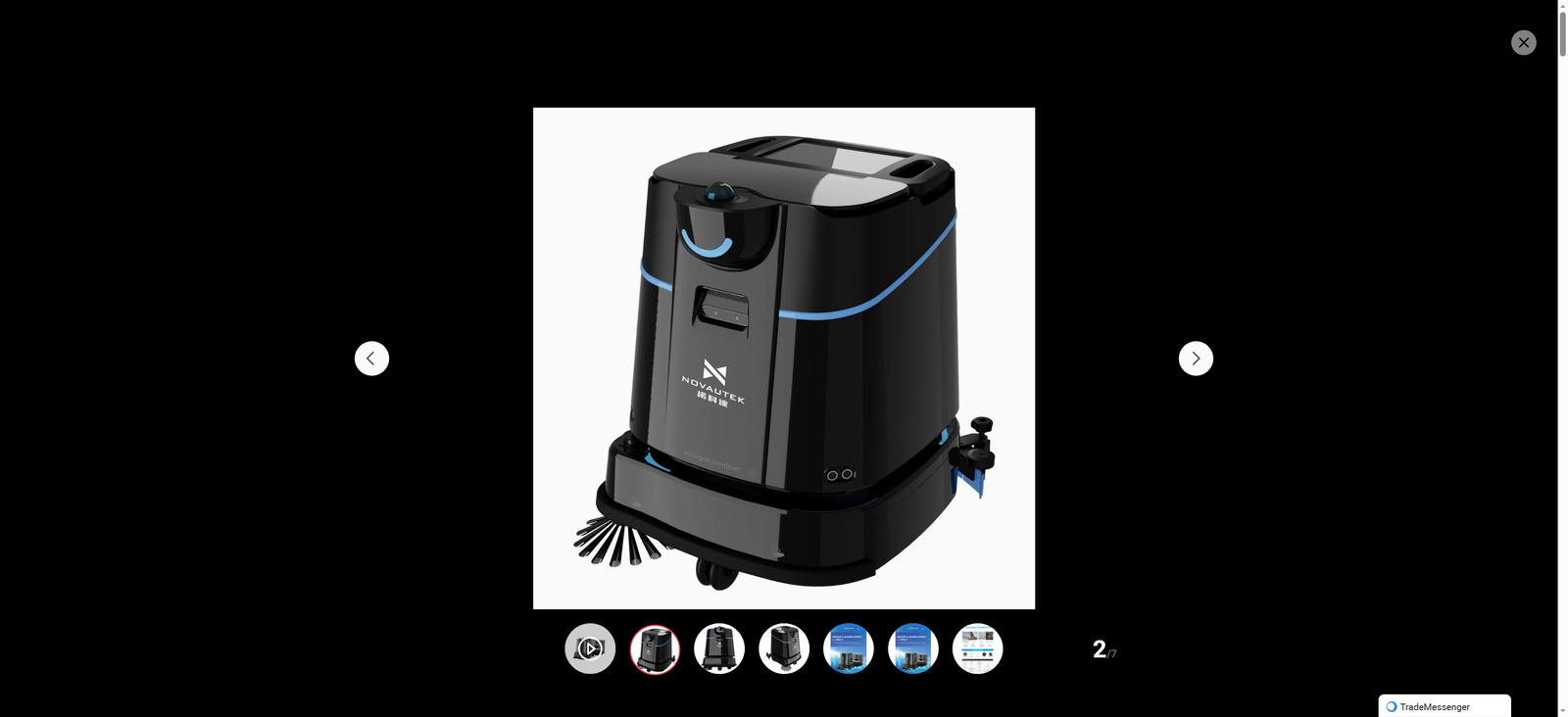
Hotels, as spaces that prioritize guest experience, demand impeccable cleanliness across lobbies, corridors, guest rooms, and public areas. Smart cleaning robots are uniquely equipped to meet these high standards. Unlike human cleaners who may experience fatigue or overlook hard-to-reach spots, these robots operate with precision and consistency. For instance, floor-cleaning robots can navigate through crowded lobbies during off-peak hours, using advanced sensors and mapping technology to avoid obstacles such as luggage carts and seating areas. They can efficiently vacuum carpets, mop hard floors, and even sanitize surfaces with UV-C light, reducing the presence of bacteria and viruses—a crucial feature in post-pandemic times. Additionally, some robots are designed for guest room cleaning, working alongside staff to make beds, empty trash, and restock amenities. This not only speeds up the turn-around time for guest rooms but also allows human employees to focus on more personalized guest services, enhancing overall satisfaction.
Restaurants, where food safety and hygiene are non-negotiable, benefit greatly from the precision of smart cleaning robots. Kitchens, in particular, are high-pressure environments with greasy surfaces, food debris, and tight spaces that are difficult to clean manually. Smart robots designed for kitchen use can tackle these challenges effortlessly: they can scrub floors, clean grease traps, and sanitize food preparation areas using food-safe cleaning agents. Unlike human cleaners, robots do not need breaks and can work continuously during off-hours, ensuring that the kitchen is spotless and ready for the next day’s operations. Front-of-house areas, such as dining halls and restrooms, also benefit from these robots. For example, small, agile robots can navigate between tables to clean up spills immediately, preventing accidents and maintaining a tidy dining environment. By reducing the risk of cross-contamination and ensuring compliance with food safety regulations, smart cleaning robots help restaurants build a reputation for reliability and care.
Supermarkets, with their large floor spaces, high foot traffic, and diverse product areas (from fresh produce to dry goods), face unique cleaning challenges. Manual cleaning in supermarkets is not only time-consuming but also disruptive to customers. Smart cleaning robots solve this problem by operating efficiently and unobtrusively. Floor-cleaning robots can work during peak hours, using sensors to avoid customers and shopping carts while cleaning aisles, checkout areas, and entranceways. They can also adapt to different floor surfaces, from tile in the produce section to carpet in the clothing area. Additionally, some robots are equipped with air purification systems, improving indoor air quality and creating a more comfortable shopping environment. For supermarket managers, smart cleaning robots offer valuable data and insights: they can track cleaning schedules, monitor the condition of cleaning supplies, and generate reports on cleaning performance. This data-driven approach allows managers to optimize cleaning operations, reduce waste, and lower operational costs.
Beyond improving cleanliness and efficiency, smart cleaning robots also bring significant economic benefits to hotels, restaurants, and supermarkets. Labor costs are one of the biggest expenses in these industries, and investing in robots can help reduce long-term labor costs. While the initial investment may be high, the return on investment is substantial: robots require minimal maintenance, do not need salaries or benefits, and can work around the clock without fatigue. Moreover, by reducing the risk of cleaning-related accidents and non-compliance with hygiene regulations, robots help businesses avoid costly fines and reputational damage.
Looking to the future, smart cleaning robots are poised to become even more advanced and integrated into daily operations. With the development of artificial intelligence (AI) and the Internet of Things (IoT), these robots will be able to learn from their environment, adapt to changing cleaning needs, and communicate with other smart devices in the venue. For example, a robot in a hotel could sync with the property management system to prioritize cleaning rooms based on guest check-out times, while a robot in a supermarket could alert staff when cleaning supplies are running low. As technology continues to evolve, smart cleaning robots will not just be tools for cleaning but essential partners in optimizing operational efficiency and enhancing customer experience.
In conclusion, smart cleaning robots are transforming the way hotels, restaurants, and supermarkets approach cleanliness and operations. By offering precision, efficiency, and reliability, these robots not only improve hygiene standards but also help businesses reduce costs, enhance customer satisfaction, and stay ahead in a competitive market. As the demand for clean and safe environments continues to grow, smart cleaning robots will undoubtedly become a staple in these industries, marking a new era of innovation and excellence in hospitality and retail operations.