
Smart Autonomous Food Delivery Robots: Transforming the Future of Restaurant Services
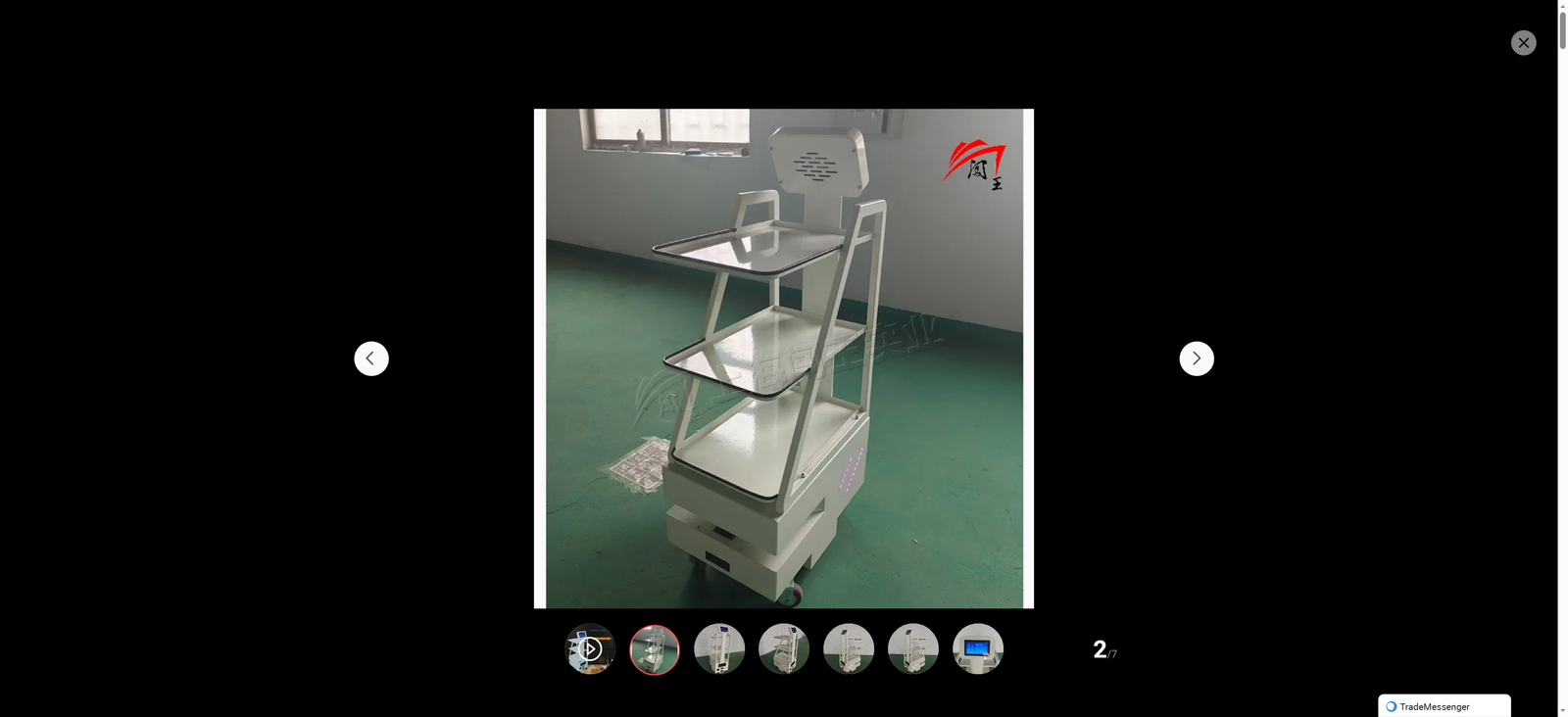
In the dynamic landscape of the food service industry, where efficiency, hygiene, and customer experience are paramount, smart autonomous food delivery robots have emerged as a transformative force. No longer confined to the realm of science fiction, these intelligent machines are reshaping restaurant operations, addressing long-standing industry challenges, and redefining the interaction between technology and dining. As urbanization accelerates, labor shortages persist, and consumer demands for contactless, efficient services rise, these robots have transitioned from novelty additions to indispensable tools for forward-thinking restaurants worldwide.
The Core Technology Powering Autonomous Delivery Robots
At the heart of every smart autonomous food delivery robot lies a sophisticated integration of cutting-edge technologies that enable it to navigate complex environments, interact safely with humans, and fulfill delivery tasks with precision. The foundation of their functionality is advanced navigation and localization systems, with multi-sensor fusion SLAM (Simultaneous Localization and Mapping) technology leading the way. This technology combines data from laser radar (LIDAR), depth cameras, inertial measurement units (IMU), and ultrasonic sensors to create high-precision environmental maps and achieve centimeter-level positioning.
Laser radar provides long-distance, high-accuracy detection capabilities, ideal for navigating crowded dining halls, while depth cameras excel at identifying low obstacles such as children or pet bowls and avoiding悬空 objects like table corners. IMU supplements positioning in sensor blind spots through motion state detection, ensuring stability even in areas with glass partitions or highly reflective floors that challenge single-sensor systems. Complementing navigation is predictive obstacle avoidance technology, which uses deep learning algorithms to analyze the movement trajectories of pedestrians and dynamically adjust paths 0.5 seconds in advance, reducing collision rates by over 80% compared to traditional reactive systems.
Modern robots also feature intelligent interaction modules driven by large language models (LLMs), transcending the limitations of pre-set keyword responses. These systems support multi-turn conversations, enabling robots to answer customer queries about menu items, ingredients, and promotions naturally. Coupled with voice prompts, LED indicators, and touch screens, they create intuitive human-machine interaction, such as notifying diners upon arrival and confirming meal pickup without manual input. Additionally, robust hardware designs—including car-grade chassis with shock absorption systems and multi-layer anti-spill trays—ensure meals remain stable during transit, even when navigating small slopes or floor seams.
Revolutionizing Restaurant Operations and Customer Experience
For restaurants grappling with the "three highs and one low" dilemma—high rent, high labor costs, high ingredient costs, and low profit margins—autonomous delivery robots offer tangible solutions to cut costs and boost efficiency. Manual delivery typically averages 200 plates per day per staff member, while mature robotic systems can handle 400 to 600 plates, doubling productivity without fatigue. They operate 24/7, seamlessly covering peak hours, late-night services, and staff shortages, with automatic charging capabilities that kick in when battery levels drop below 10%, ensuring uninterrupted operation.
Beyond efficiency, these robots enhance hygiene standards, a priority heightened in the post-pandemic era. By minimizing human contact during food delivery, they reduce the risk of cross-contamination, aligning with consumer preferences for safer dining experiences. For customers, the robots add a layer of novelty and engagement, particularly appealing to younger diners and families. Robots with bionic designs or interactive features often become social media-worthy attractions, serving as unique brand ambassadors that drive foot traffic and customer retention.
Restaurant managers also benefit from data-driven insights generated by these robots. Integrated with kitchen management systems (KMS) and point-of-sale (POS) systems, the robots collect real-time data on delivery times, peak-hour bottlenecks, and order accuracy. This data enables targeted optimizations, such as adjusting kitchen workflows, rearranging dining layouts, or refining staffing schedules. Multi-robot scheduling systems further elevate operational efficiency by coordinating fleets of robots to avoid congestion, similar to a smart traffic control center, making them ideal for large chain restaurants, buffets, and multi-floor dining venues.
Market Dynamics and Future Trends
The global restaurant delivery robot market is experiencing exponential growth, fueled by technological advancements and rising industry adoption. Valued at USD 13.9 billion in 2023, the market is projected to reach USD 95.0 billion by 2032, boasting a compound annual growth rate (CAGR) of 23.84% . Key players include established tech firms and specialized robotics companies—such as Keenon Robotics with its DinerBot T8, Orion Star’s Fortune Leopard series, and Pudu Robotics’ BellaBot—each offering differentiated solutions tailored to diverse restaurant needs. While large enterprises dominate through technological leadership and supply chain advantages, innovative startups are carving niches with flexible, cost-effective products for small and medium-sized eateries.
Policy support is further accelerating market expansion. Governments worldwide, including China’s 《New Generation Artificial Intelligence Development Plan》 and Beijing’s 《Urban Service Robot Development Action Plan》, provide subsidies and set industry standards, such as requiring 95% autonomous navigation accuracy by 2027 . The普及 of 5G technology enhances real-time data processing capabilities, boosting environmental perception speed by 40% and enabling more responsive robot performance .
Looking ahead, the evolution of restaurant delivery robots will focus on three key directions: enhanced intelligence, expanded functionality, and deeper integration. Advances in embodied intelligence will enable robots to understand complex instructions—such as "deliver this steak to the lady in red by the window"—and adapt to dynamic environments like rearranged tables or temporary obstacles. Functionally, robots will transcend mere delivery to handle tasks like table clearing, dish collection, and even marketing through on-board screens displaying promotions. Integration with smart city ecosystems, including elevator control systems and outdoor delivery networks, will extend their utility beyond indoor dining spaces.
Conclusion
Smart autonomous food delivery robots are more than just technological innovations; they are catalysts for a fundamental shift in the restaurant industry. By combining efficiency, hygiene, and interactivity, they address critical operational pain points while enhancing the dining experience. As technology matures, costs decline, and market acceptance grows, these robots will become a standard fixture in restaurants of all sizes, fostering a "human-robot collaboration" model where machines handle repetitive tasks and staff focus on high-value customer interactions. In this new era of dining, smart delivery robots are not replacing human service—they are elevating it, paving the way for a more efficient, innovative, and customer-centric food service industry.