
Automatic Commercial Cleaning Robot for Floor Scrubber and Vacuum: Smart Self-Charging Revolutionizes Commercial Cleaning
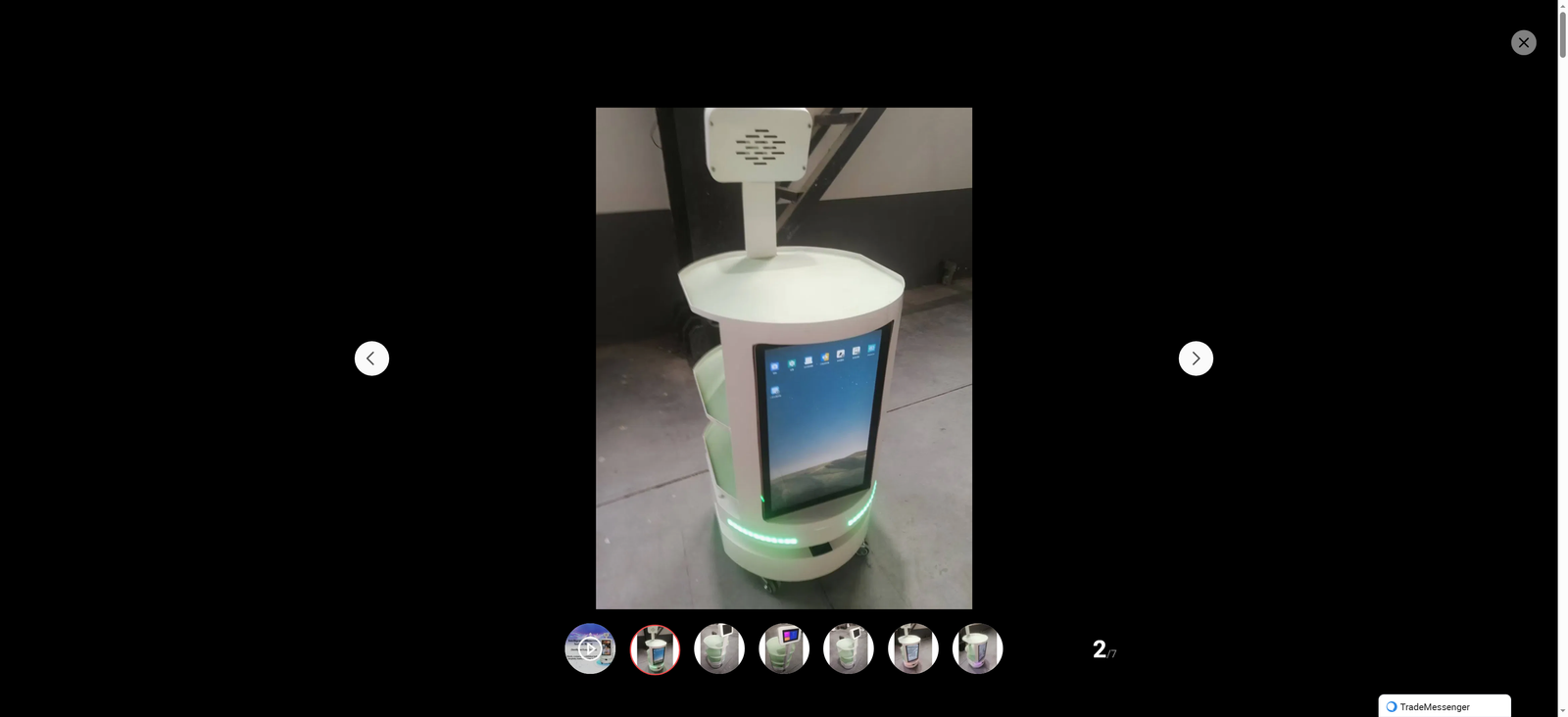
In the fast-paced world of commercial operations—where cleanliness, efficiency, and cost-effectiveness are non-negotiable—traditional manual cleaning methods are increasingly struggling to keep up with the demands of large spaces, high foot traffic, and strict hygiene standards. Enter the automatic commercial cleaning robot for floor scrubber and vacuum with smart self-charging technology: a game-changing innovation that merges powerful cleaning performance with intelligent automation, redefining how businesses maintain clean, safe, and professional environments.
At its core, this advanced cleaning robot is engineered to tackle two of the most critical commercial cleaning tasks simultaneously: floor scrubbing and vacuuming. Unlike single-function devices that require separate operations for dry and wet cleaning, this all-in-one solution eliminates the need for multiple pieces of equipment and manual labor, streamlining the entire cleaning process. Equipped with high-torque scrubbing brushes and powerful suction capabilities, it effortlessly removes dust, debris, stains, and even tough, ground-in dirt from a wide range of floor surfaces—including marble, tile, epoxy, concrete, and low-pile carpets—ensuring a thorough and consistent clean every time. Whether it’s a bustling shopping mall, a busy office building, a sprawling hospital, or a large manufacturing facility, the robot adapts to diverse surface types by automatically switching cleaning modes, thanks to its advanced sensor technology and deep learning capabilities.
What truly sets this commercial cleaning robot apart is its smart self-charging feature, which eliminates the need for manual monitoring and intervention. Built with intelligent power management systems, the robot continuously detects its battery level during operation. When the power runs low—typically before it drops to 20%—the robot automatically pauses its cleaning task, navigates to the designated charging station using precision SLAM navigation technology, and initiates the charging process independently. Once fully charged, it seamlessly resumes cleaning from where it left off, ensuring uninterrupted operation even in large spaces that require hours of continuous cleaning. This hands-off functionality not only reduces labor costs but also maximizes cleaning efficiency, as the robot can operate 24/7 with minimal human oversight, freeing up staff to focus on higher-value tasks rather than repetitive cleaning work.
Beyond its core scrubbing, vacuuming, and self-charging capabilities, modern automatic commercial cleaning robots are packed with intelligent features that enhance their performance and adaptability. Many models come with 360-degree obstacle detection sensors, including laser and visual fusion positioning, which allow them to navigate around furniture, equipment, pedestrians, and other obstacles with precision, avoiding collisions and ensuring complete coverage without missing any areas. Some advanced robots also offer custom cleaning scheduling, enabling facility managers to program cleaning times based on their specific needs—such as after business hours for retail stores or during low-traffic periods for hospitals and airports. Additionally, these robots often include digital cleaning reporting, which provides real-time data on cleaning area, duration, and performance, allowing managers to monitor efficiency and maintain consistent hygiene standards.
The adoption of automatic commercial cleaning robots for floor scrubber and vacuum with smart self-charging is rapidly growing across various industries, driven by the numerous benefits they offer. For commercial property managers, these robots reduce labor costs by replacing 2 to 3 manual cleaners per unit, with an investment recovery period as short as 14 to 18 months. In healthcare settings, they play a crucial role in reducing cross-infection risks by minimizing human contact with high-traffic surfaces, while their ability to combine cleaning and消杀 functions ensures compliance with strict medical hygiene standards. For industrial facilities, the robots’ robust design and high-pressure scrubbing capabilities effectively remove oil stains, dust, and debris, reducing product次品率 caused by扬尘 and optimizing production environments. Even in transportation hubs like airports and train stations, where客流量 is massive, these robots can clean up to 2040 square meters per hour, significantly reducing the burden on manual cleaning teams.
As the global commercial cleaning robot market continues to expand—projected to reach $180 billion by 2030 with a CAGR of 26.3%—the technology behind these robots is constantly evolving. Future iterations are expected to integrate more advanced AI, 5G/6G connectivity, and edge computing, enabling multi-robot协同调度, predictive maintenance, and integration with building management systems for seamless smart facility operations. The rise of the “Robot as a Service (RaaS)” business model is also making these robots more accessible to small and medium-sized businesses, as it eliminates the high upfront cost of purchase, allowing users to pay based on cleaning area or duration.
In conclusion, the automatic commercial cleaning robot for floor scrubber and vacuum with smart self-charging is more than just a cleaning tool—it is a strategic investment that transforms commercial cleaning operations. By combining powerful dual-function cleaning, intelligent self-charging, and advanced navigation capabilities, it delivers superior cleaning results, reduces costs, and improves operational efficiency. As businesses around the world embrace digital transformation and prioritize hygiene and sustainability, this innovative technology is set to become an indispensable asset in commercial cleaning, paving the way for a cleaner, smarter, and more efficient future.