
The Rise of Cleaning Robots: Transforming Hygiene Standards Across Shopping Malls, Hotels, Factories, and Conference Centres
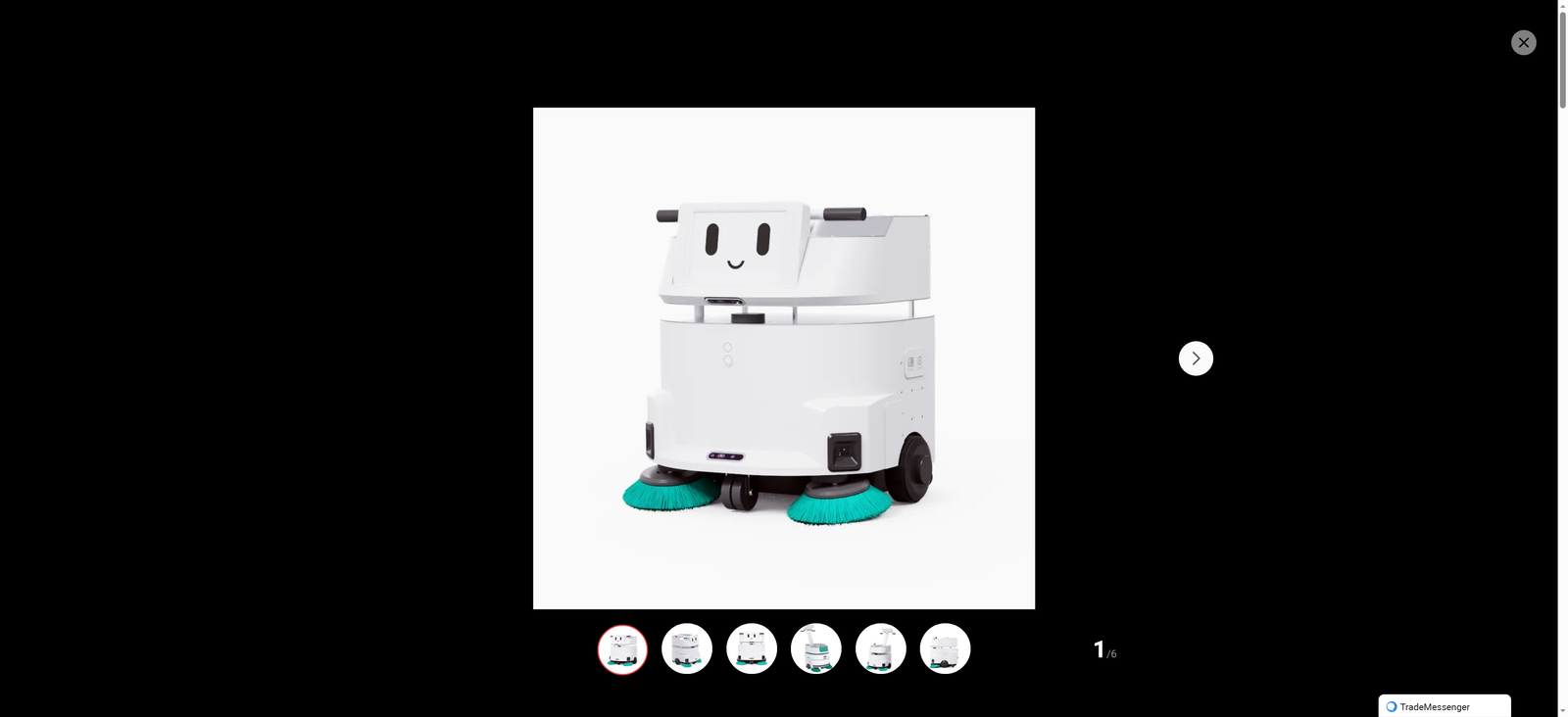
In an era defined by efficiency, automation, and heightened focus on hygiene, cleaning robots have emerged as game-changers in maintaining clean, safe, and welcoming environments across diverse commercial and industrial spaces. From bustling shopping malls to luxury hotels, large-scale factories to state-of-the-art conference centres, these intelligent machines are replacing traditional manual cleaning methods, addressing long-standing challenges and setting new benchmarks for cleanliness and operational productivity. This article explores how cleaning robots are revolutionizing hygiene management in four key sectors: shopping malls, hotels, factories, and conference centres.
Shopping Malls: Navigating Bustle with Consistent Cleanliness
Shopping malls are high-traffic hubs, with thousands of visitors daily traversing corridors, food courts, restrooms, and storefronts. Maintaining cleanliness in such dynamic environments is a daunting task for manual cleaning teams—stains, litter, and dust accumulate rapidly, and peak hours make it difficult to clean without disrupting visitors. Cleaning robots are uniquely equipped to tackle these challenges, offering 24/7 operation and consistent performance regardless of foot traffic.
Floor-cleaning robots, equipped with advanced sensors and mapping technology, can navigate around crowds, display stands, and obstacles with precision, cleaning hard floors and carpets efficiently. They can be programmed to focus on high-traffic areas during off-peak hours and cover the entire mall overnight, ensuring that visitors are greeted with spotless floors each morning. Additionally, window-cleaning robots eliminate the risk of manual work at height, safely cleaning large glass facades and skylights that are common in modern malls. By reducing the reliance on manual labor, malls not only cut down on cleaning costs but also ensure that hygiene standards are never compromised—even during the busiest shopping seasons.
Hotels: Elevating Luxury with Impeccable Hygiene
Hygiene is the cornerstone of the hospitality industry, and hotels—from budget accommodations to five-star resorts—rely on clean environments to attract and retain guests. Traditional manual cleaning is prone to human error, with overlooked spots in guest rooms, lobbies, restaurants, and swimming pool areas potentially damaging a hotel’s reputation. Cleaning robots are redefining cleanliness in hotels by delivering meticulous, standardized results every time.
In guest rooms, small, compact cleaning robots can sanitize floors, clean under beds and furniture, and even disinfect high-touch surfaces such as doorknobs and light switches—tasks that are often missed by manual cleaners. For public areas like lobbies and ballrooms, larger robots can vacuum, mop, and polish floors efficiently, ensuring that these spaces remain pristine for guests and events. Moreover, some advanced cleaning robots are equipped with UV-C disinfection technology, which eliminates bacteria, viruses, and allergens, enhancing guest safety—an increasingly important factor in post-pandemic travel. By integrating cleaning robots into their operations, hotels not only improve hygiene standards but also free up staff to focus on guest service, elevating the overall guest experience.
Factories: Ensuring Safety and Efficiency in Industrial Spaces
Factories and manufacturing facilities present unique cleaning challenges, with large areas, heavy machinery, and potential hazards such as oil spills, dust accumulation, and chemical residues. Manual cleaning in factories is not only time-consuming but also risky, as workers may be exposed to dangerous substances or confined spaces. Cleaning robots are designed to operate in these harsh environments, delivering safe and efficient cleaning without putting human workers at risk.
Industrial cleaning robots are built to withstand heavy-duty use, with waterproof and chemical-resistant designs that can handle oil, grease, and other industrial contaminants. They can navigate around large machinery, clean narrow aisles, and even access confined spaces such as storage tanks and pipelines—areas that are difficult or impossible for manual cleaners to reach. Dust-collecting robots are particularly valuable in factories that produce dust or debris, as they can continuously vacuum and filter air, improving air quality and reducing the risk of equipment damage and worker respiratory issues. By automating factory cleaning, businesses can reduce downtime, lower labor costs, and ensure compliance with strict industrial safety and hygiene regulations.
Conference Centres: Delivering Spotless Spaces for High-Stakes Events
Conference centres host a wide range of events—from corporate meetings and trade shows to weddings and large-scale conferences—each requiring immaculate spaces to impress attendees. The challenge lies in cleaning large halls, meeting rooms, and exhibition areas quickly between events, as there is often limited time between setup and teardown. Cleaning robots excel in this fast-paced environment, offering rapid and thorough cleaning to ensure spaces are event-ready in record time.
Robots equipped with high-speed cleaning capabilities can vacuum large conference halls, mop floors, and sanitize surfaces in a fraction of the time it would take a manual team. They can be programmed to clean specific areas based on event schedules, ensuring that meeting rooms are cleaned between sessions and exhibition halls are cleared of debris after trade shows. Additionally, disinfection robots are ideal for conference centres, as they can quickly sanitize high-touch surfaces such as chairs, tables, and elevator buttons, reducing the spread of germs among attendees. By using cleaning robots, conference centres can improve operational efficiency, reduce the risk of event delays, and deliver a professional, clean environment that reflects positively on their brand.
The Future of Cleaning: Intelligence and Integration
As technology advances, cleaning robots are becoming increasingly intelligent, with features such as AI-powered navigation, real-time monitoring, and remote control. These advancements allow businesses to optimize their cleaning operations, track robot performance, and adjust schedules based on real-time needs. For example, AI-enabled robots can learn the layout of a space over time, avoiding obstacles more efficiently and focusing on areas that require extra cleaning.
Moreover, cleaning robots are being integrated with other smart building systems, creating a seamless and connected hygiene management solution. For instance, robots can sync with building access systems to clean after hours, or with air quality monitors to increase cleaning frequency in areas with poor air quality. This integration not only improves efficiency but also provides businesses with valuable data on hygiene performance, helping them make informed decisions about their cleaning operations.
In conclusion, cleaning robots are transforming hygiene management across shopping malls, hotels, factories, and conference centres, offering a safer, more efficient, and more consistent alternative to manual cleaning. By addressing the unique challenges of each sector—from high foot traffic in malls to industrial hazards in factories—these intelligent machines are helping businesses reduce costs, improve safety, and enhance customer and employee satisfaction. As technology continues to evolve, the role of cleaning robots will only grow, shaping the future of clean, smart, and sustainable commercial and industrial spaces.