
Shock-Resistant and Drop-Protected Rugged Delivery Robot: Redefining Durability in Last-Mile Logistics
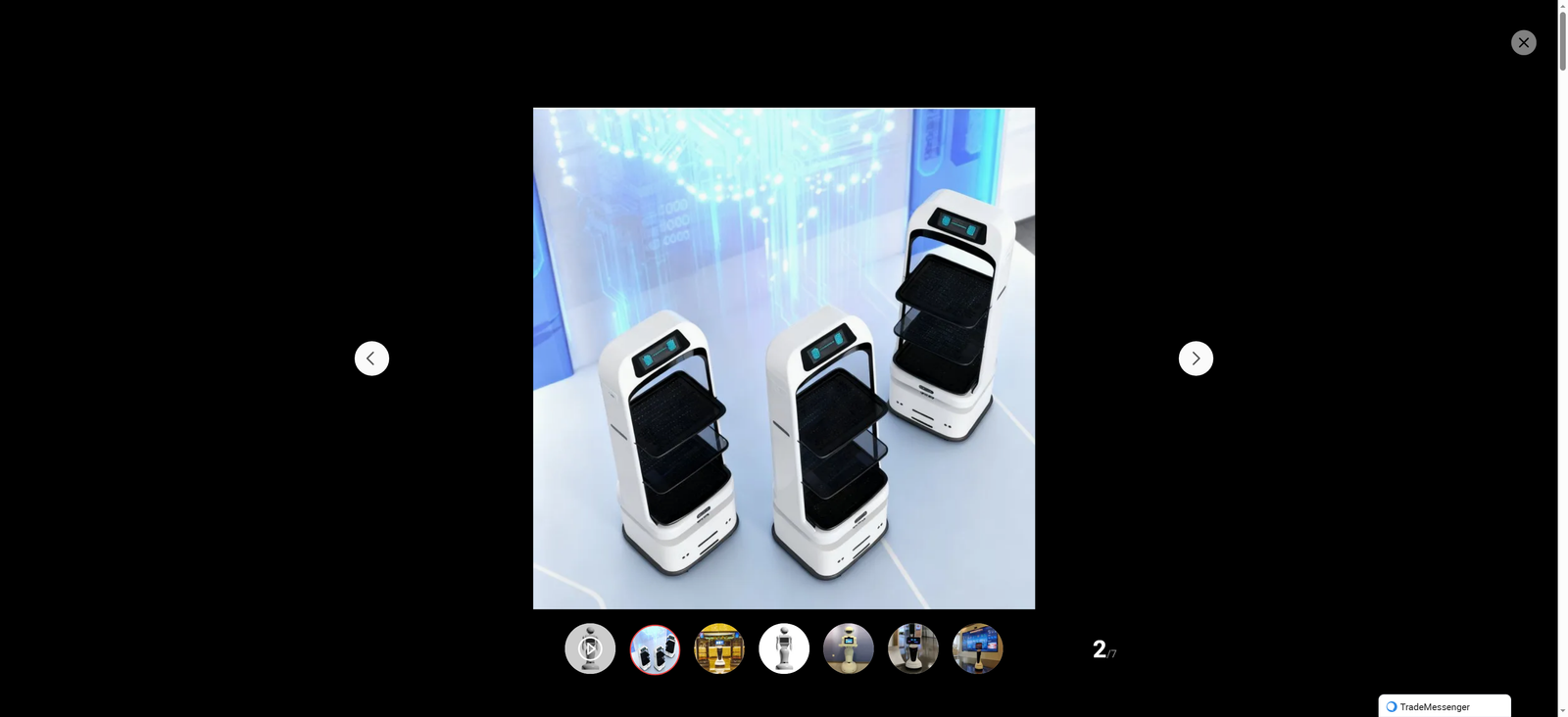
In the fast-evolving landscape of last-mile logistics, where efficiency, reliability, and cost-effectiveness are paramount, delivery robots have emerged as transformative solutions. However, the harsh realities of real-world deployment—uneven terrains, accidental impacts, sudden drops, and extreme environmental conditions—have long posed significant challenges to their performance and longevity. Enter the shock-resistant, drop-protected, and rugged delivery robot: a purpose-built innovation designed to thrive in the most demanding environments, bridging the gap between technological potential and practical applicability. These robust autonomous vehicles are not just incremental upgrades; they are redefining what delivery robots can achieve, enabling seamless operations across scenarios that were once considered off-limits for automated delivery systems.
The global outdoor self-driving delivery robot market is projected to surge from $2.1 billion in 2024 to $12.5 billion by 2033, expanding at a CAGR of 24.5%. This rapid growth is fueled by rising demand for efficient last-mile solutions, but it also highlights the critical need for durability. Traditional delivery robots, often designed for controlled indoor or smooth urban sidewalk environments, struggle to withstand the rigors of industrial sites, construction zones, rural areas, or even busy urban streets where collisions and accidental drops are common. Rugged delivery robots address this gap head-on, with shock resistance and drop protection as their core design pillars, ensuring they can maintain consistent performance even when faced with unexpected impacts or falls.
Shock resistance is the foundation of a rugged delivery robot’s durability, engineered to absorb and dissipate the force of sudden impacts that occur during daily operations. Unlike standard robots that use fragile casings and minimal shock absorption, these rugged models incorporate advanced engineering solutions to shield their internal components—including sensors, cameras, AI processors, and battery systems—from damage. Many feature multi联动减震 systems and advanced shock-absorbing materials such as reinforced rubber, high-density foam, or military-grade aluminum alloys in their chassis and casings. For example, the DINERBOT T9 Pro employs a multi-link shock absorption system and a new PID control algorithm, ensuring stable operation when crossing obstacles and eliminating tilting or spillage during acceleration, braking, and steering. This design not only protects the robot’s hardware but also safeguards the delivered goods, whether they are fragile electronics, temperature-sensitive pharmaceuticals, or everyday groceries, from damage caused by jolts or vibrations.
Complementing shock resistance is robust drop protection, a feature that ensures the robot can survive accidental falls—whether from loading docks, curbs, or uneven surfaces—without catastrophic failure. Rugged delivery robots undergo rigorous drop testing, often meeting military standards (such as MIL-STD-810H) that simulate falls from significant heights onto concrete or rough terrain. This level of protection is achieved through a combination of reinforced structural design, impact-resistant casings, and strategic placement of shock-absorbing components. Some models, like Pudu Robotics’ quadruped D5 robot, are built to navigate rough terrain and can withstand minor drops while climbing slopes or stepping over obstacles up to 25 centimeters high. Additionally, specialized sensors—such as stereo vision sensors—are integrated to detect low obstacles and prevent falls from stairs, further enhancing safety and reducing the risk of damage from accidental drops. For industries like healthcare, where the delivery of life-saving medications or blood samples to remote areas is critical, drop protection ensures that even if the robot encounters a fall during transit, the payload remains intact and the delivery mission can be completed.
Beyond shock and drop protection, the "rugged" nature of these robots encompasses resistance to a wide range of environmental stressors, making them versatile enough to operate in virtually any setting. From extreme temperatures (both hot and cold) to rain, snow, dust, and humidity, rugged delivery robots are sealed to prevent water and debris from entering internal components, ensuring reliable operation in outdoor and industrial environments. Pudu’s D5 quadruped robot, for instance, is built for all-terrain and all-weather use, capable of reaching speeds of five meters per second, climbing 30-degree slopes, and traveling up to 14 kilometers on a single charge—making it ideal for last-mile delivery from trucks to buildings or homes in challenging environments. This environmental ruggedness expands the scope of delivery robot applications, from warehouses and manufacturing facilities (where dust and heavy machinery pose risks) to construction sites, rural areas, and even disaster zones, where traditional delivery methods are often impractical or dangerous. In manufacturing and warehousing, models like the PUDU T150 are designed for rugged internal logistics, capable of handling light-payload deliveries in dynamic industrial environments without site modifications or complex deployment processes.
The integration of shock-resistant and drop-protected features does not compromise the robot’s functionality or efficiency; instead, it enhances its reliability and operational lifespan, delivering long-term value to businesses. Rugged delivery robots are equipped with the same advanced autonomous navigation technologies as their standard counterparts—including LiDAR, GPS, AI algorithms, and real-time obstacle detection—but these systems are reinforced to withstand the harsh conditions of rugged environments. For example, Cartken’s Model C and Model E robots combine multi-sensor safety systems with rugged designs, enabling them to navigate both indoor and outdoor spaces safely while carrying payloads up to 80 kilograms. Serve Robotics’ fleet of autonomous delivery robots, which now numbers over 2,000 in the U.S., achieves a 99.8% completion rate in complex urban environments, thanks to a combination of rugged design and level 4 autonomy. By reducing downtime caused by damage, these robots lower maintenance costs and increase delivery throughput, making them a cost-effective solution for businesses looking to automate their logistics operations.
The practical applications of shock-resistant, drop-protected, and rugged delivery robots are vast and growing, spanning multiple industries. In the retail and e-commerce sector, these robots can deliver packages directly to customers in rural or suburban areas with unpaved roads, reducing the risk of damage to goods and ensuring timely deliveries. In manufacturing and warehousing, they streamline internal logistics by transporting parts and materials between production lines and storage areas, even in dusty or debris-filled environments—with models like the PUDU T150 lowering the barrier to industrial automation with fast deployment and stable operation. In healthcare, they enable the safe and efficient delivery of medications, medical supplies, and lab samples between hospitals, clinics, and remote healthcare facilities, even in adverse weather conditions. In campus and corporate settings, they provide convenient delivery of food, groceries, and packages, navigating uneven walkways and busy pedestrian areas without compromising performance. For example, in杭州某科技园区, 10 rugged delivery robots managed by 5 staff members replaced 30 human delivery workers, reducing labor costs by 83% while maintaining reliable service.
As the demand for automated last-mile logistics continues to grow, the importance of shock-resistant, drop-protected, and rugged delivery robots will only increase. Businesses are increasingly recognizing that durability is not an optional feature but a necessity for ensuring the long-term viability of their automation investments. With advancements in materials science, engineering, and AI, these robots are becoming more capable, efficient, and affordable, making them accessible to businesses of all sizes. Manufacturers are also focusing on enhancing the user experience, with features like real-time tracking, secure cargo compartments, and easy maintenance, further solidifying their role in the future of logistics. Additionally, the environmental benefits of these robots—zero tailpipe emissions, reduced congestion, and lower energy consumption compared to traditional delivery vehicles—align with global sustainability goals, making them a responsible choice for businesses looking to reduce their carbon footprint.
In conclusion, the shock-resistant, drop-protected, and rugged delivery robot represents a pivotal innovation in the field of autonomous logistics. By addressing the key challenge of durability in real-world deployment, these robots are unlocking new possibilities for automated delivery, enabling operations in environments that were once considered too harsh for standard robots. Their robust design protects both the robot and its payload, ensuring reliable performance, reducing maintenance costs, and delivering long-term value to businesses across industries. As technology continues to advance, we can expect these rugged robots to become even more versatile, efficient, and integrated into our daily lives, redefining the future of last-mile logistics with durability, reliability, and sustainability at their core. Whether navigating rough industrial terrain, busy urban streets, or remote rural areas, these robots are proving that when it comes to delivery automation, durability is the key to success.