
The Rise of Autonomous Delivery Robots: Transforming Logistics and Dining Experiences
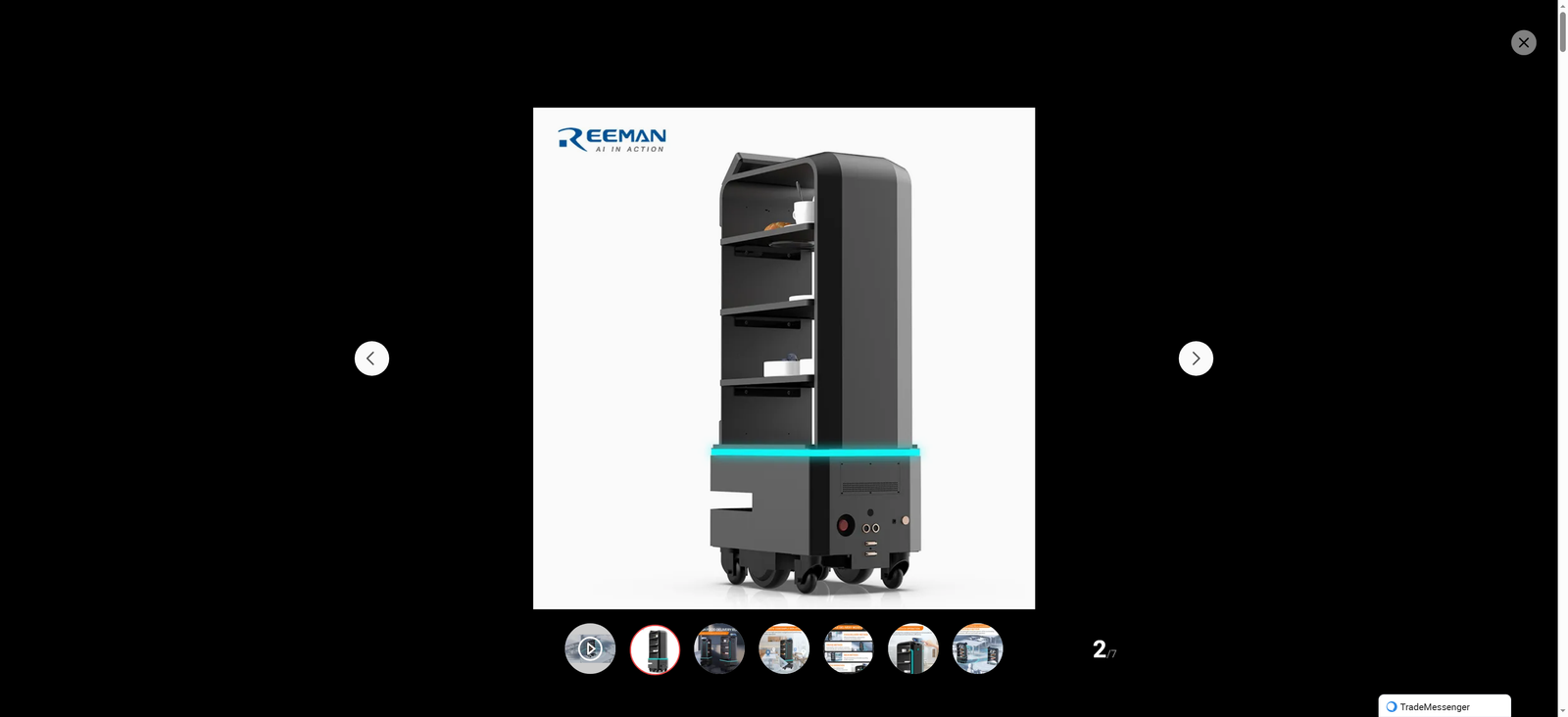
In an era driven by technological innovation, Autonomous Delivery Robots have emerged as a revolutionary force, reshaping how goods and services are transported in daily life. Among these advanced machines, Self Driving Delivery Robot, Package Delivery Robot, and Robots for Restaurants stand out as key players, each tailored to specific scenarios while sharing the core advantage of unmanned, efficient operation. As global demand for contactless, cost-effective, and time-saving delivery solutions surges, these robots are no longer a distant concept but an integral part of modern logistics and hospitality industries.
At the heart of this transformation is the Autonomous Delivery Robot, a versatile device equipped with cutting-edge technologies such as artificial intelligence (AI), computer vision, and sensor fusion. These technologies enable the robot to navigate complex environments independently, avoid obstacles, recognize traffic rules, and complete delivery tasks with minimal human intervention. Unlike traditional delivery methods that rely on human drivers or couriers, autonomous delivery robots can operate 24/7, unaffected by fatigue, weather, or human error, making them a reliable choice for businesses seeking to optimize their delivery workflows.
The Self Driving Delivery Robot, a subset of autonomous delivery robots, is designed to handle a wide range of delivery needs across urban and suburban areas. Equipped with high-precision GPS and real-time navigation systems, these robots can travel on sidewalks, bike lanes, or even designated delivery routes, ensuring timely and safe delivery of goods. A notable example of their impact is seen in the global market growth: according to a report by GACO Auto, the global autonomous delivery vehicle market size is expected to reach 1.118 billion US dollars in 2026, with an annual growth rate exceeding 200%, a record high in the intelligent transportation field. Chinese enterprises like Neolithic and 9Sight Intelligence are leading the charge, with Neolithic deploying fleets in over 300 cities across 15 countries and expecting to exceed 15,000 deliveries by the end of 2025.
Among the most widely adopted variants is the Package Delivery Robot, which addresses the growing challenges of last-mile delivery in e-commerce. With the boom in online shopping—exemplified by the U.S. retail e-commerce sales reaching an estimated 291.6 billion US dollars in the second quarter of 2024—logistics companies are facing mounting pressure to deliver packages quickly and efficiently. Package Delivery Robots offer a solution by streamlining the last-mile process, which accounts for a significant portion of delivery costs. These robots can carry packages of varying sizes, from small parcels to medium-sized boxes, and deliver them directly to customers’ doorsteps or designated pickup points. Companies like Starship Technologies have already launched grocery and package delivery services in partnership with supermarkets, deploying fleets in cities like Milton Keynes, England, to create the "world's largest autonomous robot fleet". Meanwhile, emerging players like White Rhino have seen their active vehicle count grow from 100 in 2023 to over 2000 in 2025, operating in more than 170 cities globally.
Another critical application area is Robots for Restaurants, which are redefining the dining experience by enhancing efficiency and customer satisfaction. Restaurants, especially fast-food chains and large dining venues, often face challenges such as labor shortages, high labor costs, and inconsistent service quality during peak hours. Restaurant delivery robots address these issues by taking over repetitive tasks such as food delivery, table cleaning, and even customer greeting. For instance, Orion Star’s restaurant robots can deliver 400-600 plates per day, equivalent to the workload of 2-3 human servers, while working nearly 12 hours a day—and they can save restaurants 8,000-12,000 yuan in monthly labor costs per unit. These robots are equipped with dynamic obstacle avoidance technology, allowing them to navigate crowded dining halls safely, and can even interact with customers through voice prompts or fun activities like singing and dancing to enhance the dining experience. Major food delivery platforms are also joining the trend: Uber Eats has partnered with Serve Robotics and Cartken to deploy restaurant delivery robots in various U.S. cities, while Grubhub has collaborated with Yandex to bring robot delivery to college campuses.
The rapid development of autonomous delivery robots is supported by continuous technological advancements and favorable market conditions. AI and machine learning algorithms are constantly improving, enabling robots to adapt to more complex environments—such as narrow sidewalks, heavy pedestrian traffic, or sudden obstacles—with greater accuracy. Additionally, the rising cost of labor globally and the increasing demand for contactless services (accelerated by the COVID-19 pandemic) have further fueled the adoption of these robots across industries. Governments in many countries are also supporting the deployment of autonomous delivery robots by relaxing regulations and investing in related infrastructure, creating a more favorable environment for market growth.
However, the widespread adoption of Autonomous Delivery Robots, including Self Driving Delivery Robots, Package Delivery Robots, and Robots for Restaurants, still faces some challenges. Technical limitations, such as difficulty navigating extreme weather conditions (heavy rain, snow, or strong winds) and complex urban landscapes, remain a concern. Additionally, issues related to safety, privacy, and public acceptance need to be addressed—for example, ensuring that robots do not pose a risk to pedestrians and that customer data (such as delivery addresses) is protected. Furthermore, the high initial cost of purchasing and maintaining these robots may be a barrier for small and medium-sized businesses.
Despite these challenges, the future of autonomous delivery robots is promising. As technology continues to advance and costs decrease, these robots are expected to become even more versatile and accessible. We can anticipate seeing them deployed in more scenarios, such as hospitals (delivering medical supplies), schools (delivering textbooks), and industrial parks (transporting materials). The global market is projected to grow exponentially, with the autonomous delivery robot market expected to reach 8.68 billion US dollars by 2029, driven by urbanization, e-commerce growth, and technological innovation. Chinese and international companies alike are accelerating their global expansion, with the Middle East emerging as a key market—Neolithic plans to deploy 5,000 robots in the UAE, while 9Sight Intelligence aims to投放 over 2,000 units in the region.
In conclusion, Autonomous Delivery Robots are transforming the way we live and do business. From delivering packages to our doorsteps to serving food in restaurants, these robots are enhancing efficiency, reducing costs, and improving customer experiences. The Self Driving Delivery Robot, Package Delivery Robot, and Robots for Restaurants are not just technological innovations—they are symbols of a more intelligent, efficient, and convenient future. As the industry overcomes existing challenges and embraces new advancements, these robots will undoubtedly play an increasingly important role in shaping the logistics and hospitality landscapes of tomorrow.