
Seamless Elevator Use: Empowering Hotel Smart Service with Intelligent Food Delivery Robots
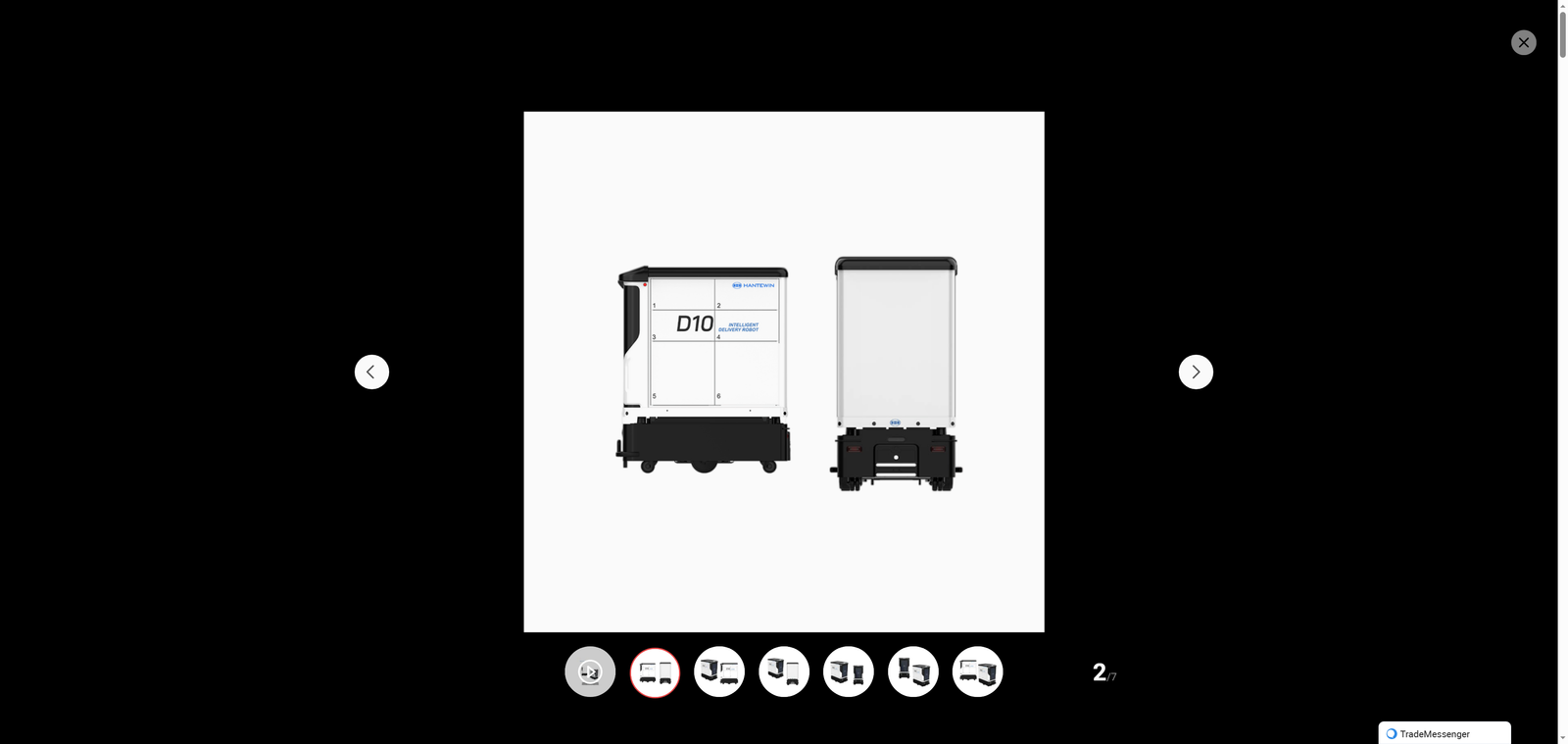
In the era of digital transformation, the hotel industry is undergoing a profound revolution driven by intelligent technology. As an important part of hotel service, food and beverage delivery has long been facing challenges such as high labor costs, uneven service quality, and limited service hours. Against this background, intelligent food delivery robots integrated with seamless elevator connection technology have emerged, becoming a new engine for hotels to upgrade smart services and redefine the guest experience.
The core advantage of intelligent food delivery robots lies in their "seamless connection" with elevator systems, which breaks the spatial barrier of service delivery in multi-storey hotels. In the past, robot delivery often encountered bottlenecks in elevator access—needing manual assistance to call elevators, failing to accurately locate floors, or getting stuck in elevator cabins. Today, with the support of Internet of Things (IoT) technology and elevator intelligent modification, food delivery robots can realize full-process autonomous interaction with elevators. They can automatically call elevators through wireless communication protocols, accurately identify elevator positions and door opening/closing states, and even plan the optimal standing position in the elevator to avoid blocking guests. This seamless elevator connection not only saves the time of manual assistance but also ensures that food is delivered to the guest room door in the shortest time, keeping the food at the best temperature and taste.
As a key carrier of hotel smart service, intelligent food delivery robots have comprehensively upgraded the service efficiency and quality. For hotels, the application of robots can significantly reduce the labor input of food and beverage delivery staff, especially during peak meal hours, late at night, or early morning, when it can effectively make up for the shortage of human resources and avoid service delays caused by busy staff. At the same time, robots can work 24 hours a day without fatigue, ensuring that guests can enjoy food delivery service at any time, which greatly improves the hotel's service coverage and timeliness. Compared with manual delivery, robots have more standardized service processes—they will not make mistakes such as delivering food to the wrong room, forgetting to take tableware, or having emotional fluctuations, which ensures the consistency and stability of service quality.
For guests, intelligent food delivery robots bring a more convenient, intimate, and novel stay experience. Guests only need to order food through the hotel's mobile app, WeChat mini-program, or in-room smart terminal, and the robot will take over the whole delivery process. During the delivery process, guests can check the real-time location of the robot through the terminal, knowing exactly when the food will arrive. When the robot arrives at the door of the guest room, it will send a reminder to the guest through voice broadcast or mobile phone message, and the guest can open the door to take the food with one click. In addition, the robot is equipped with multiple intelligent functions such as obstacle avoidance, anti-collision, and automatic charging, which can safely travel in the hotel corridor, elevator, and other public areas without disturbing other guests. The novel interaction experience with robots also adds a sense of technology and fun to the stay, becoming a memorable part of the guest's hotel experience.
The integration of seamless elevator use and intelligent food delivery robots is not only a technological innovation but also a manifestation of the hotel industry's transformation to "people-oriented" service. In the future, with the continuous development of artificial intelligence, big data, and other technologies, these robots will have more powerful functions—they can not only deliver food but also undertake tasks such as delivering daily necessities, collecting garbage, and guiding guests. At the same time, through the analysis of guest delivery data, robots can also help hotels understand guests' eating habits and preferences, providing data support for personalized service customization. For example, for guests who often order afternoon tea, the hotel can take the initiative to push relevant preferential information; for guests who have special dietary needs, the robot can remind the kitchen to make corresponding adjustments.
Of course, the popularization of intelligent food delivery robots in hotels also needs to solve some problems, such as the cost of elevator intelligent modification, the maintenance of robots, and the adaptation of individual guests to intelligent equipment. However, with the continuous maturity of technology and the gradual reduction of equipment costs, these problems will be gradually solved. More and more hotels have realized the value of intelligent delivery robots and taken them as an important measure to enhance their core competitiveness.
In conclusion, intelligent food delivery robots with seamless elevator connection function have brought a new model to hotel smart service. They have not only improved the service efficiency and quality of hotels but also enriched the guest's stay experience, promoting the hotel industry to move towards a more intelligent, efficient, and high-quality development direction. In the wave of intelligent transformation, hotels that take the lead in applying such technologies will surely gain more market recognition and become the benchmark of the industry.