
The Rise of Food Service Robots: Transforming Restaurants, Cafes and Street Delivery
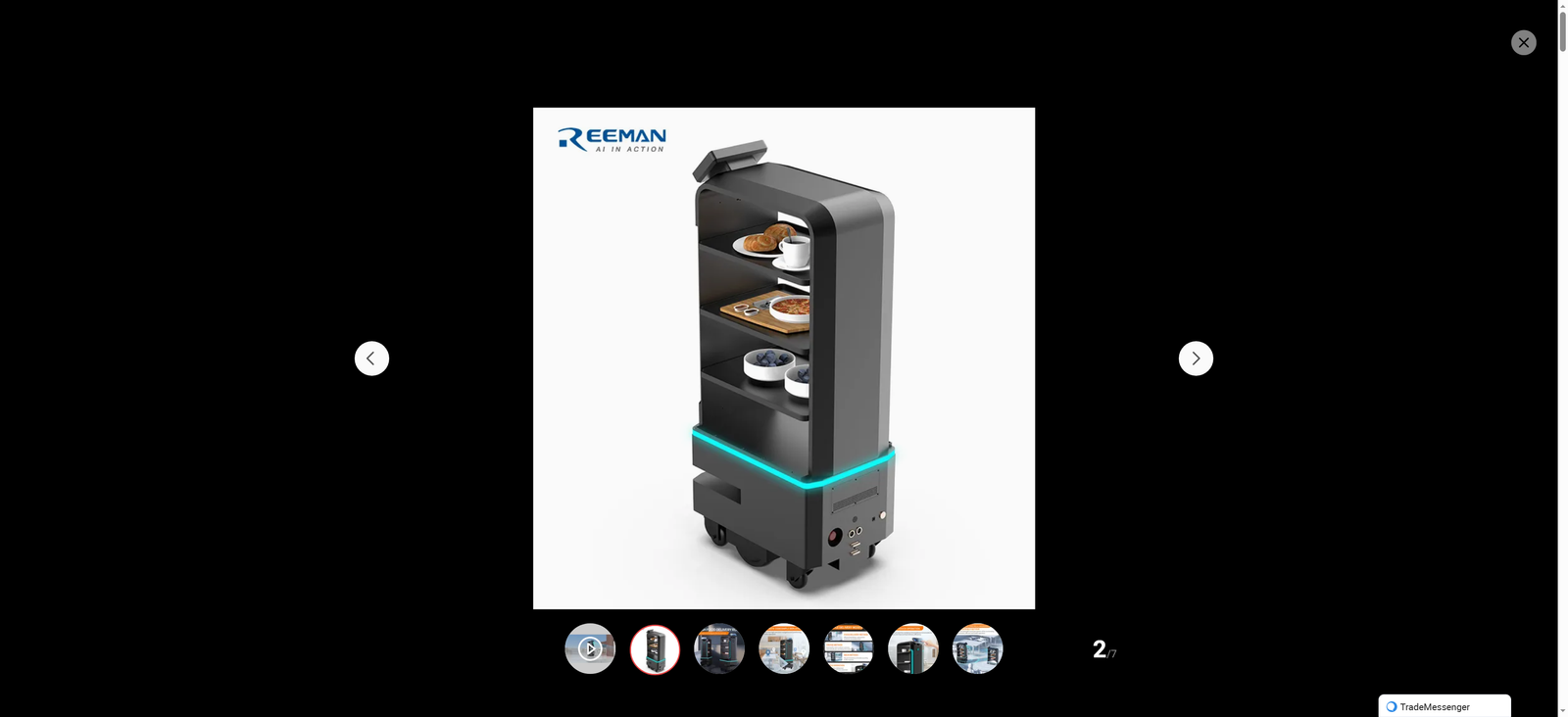
In an era of rapid technological advancement, the food and beverage industry is undergoing a profound transformation driven by automation. Robots for restaurants, cafe robots, street delivery robots, autonomous food delivery robots, delivery food robots, and autonomous delivery robots are no longer futuristic concepts—they have become integral parts of daily operations, reshaping how food is served, delivered, and experienced by both businesses and consumers. These intelligent machines are addressing long-standing industry challenges, from labor shortages to efficiency bottlenecks, while unlocking new possibilities for convenience and innovation.
Restaurants and cafes, which have long grappled with "three highs and one low" dilemmas—high rent, high labor costs, high ingredient costs, and low profit margins—are among the biggest beneficiaries of food service robots. Robots for restaurants and cafe robots are designed to handle repetitive, time-consuming tasks that once occupied human staff, allowing employees to focus on higher-value interactions with customers. Unlike traditional manual service, these robots operate tirelessly, without fatigue or the need for breaks, significantly boosting operational efficiency. For instance, a single restaurant robot can deliver up to 400 to 600 plates of food per day, double the amount an average human server can handle. Cafe robots, meanwhile, excel at precise tasks like preparing standardized beverages, from lattes to cold brews, ensuring consistency in taste and presentation while reducing wait times for customers.
The core strength of these in-venue robots lies in their advanced technology integration. Equipped with multi-sensor fusion SLAM navigation, they can achieve centimeter-level positioning, seamlessly navigating through crowded dining halls, narrow aisles, and complex layouts—even avoiding sudden obstacles like children or moving staff members. High-end models also feature car-grade chassis suspension systems, which filter out subtle vibrations from uneven floors or carpet edges, preventing spills when delivering soups, drinks, or delicate dishes. With the integration of large language models (LLMs), modern restaurant and cafe robots can also engage in intelligent interactions, answering customer questions about menu items, ingredients, or promotions, and even acting as greeters to enhance the dining experience. This blend of efficiency and interactivity has turned robots from mere "tools" into valuable assets that elevate brand image and customer satisfaction.
Beyond restaurants and cafes, the delivery segment has seen a revolutionary shift with the emergence of street delivery robots, autonomous food delivery robots, delivery food robots, and autonomous delivery robots. These outdoor-focused machines address the pain points of traditional food delivery—long wait times, high delivery fees, and reliance on human riders, especially during peak hours or adverse weather conditions. Street delivery robots are engineered to operate in open environments, with rugged designs that withstand rain, heat, and uneven sidewalks. They use advanced GPS, computer vision, and predictive避障 algorithms to navigate through city streets, crosswalks, and pedestrian areas, ensuring safe and timely delivery of food from restaurants to customers’ doorsteps or designated pickup points.
Autonomous food delivery robots and delivery food robots take this convenience a step further by eliminating the need for human supervision entirely. These fully autonomous machines can plan optimal routes in real time, adjust for traffic or road closures, and even interact with building access systems to reach customers in residential complexes or office buildings. Unlike human delivery riders, they do not require salaries, benefits, or rest breaks, significantly reducing long-term delivery costs for businesses—by up to 40% according to industry studies. For consumers, this translates to lower delivery fees, faster service, and greater flexibility, as robots can operate 24/7, catering to late-night cravings or early-morning meals that traditional delivery services may struggle to cover.
The adoption of these delivery robots also brings broader benefits to urban communities. By reducing the number of delivery motorcycles on the road, they help alleviate traffic congestion and lower carbon emissions, contributing to greener, more sustainable cities. During public health events, autonomous delivery robots also support contactless service, minimizing the risk of virus transmission and providing a safe solution for food delivery. Additionally, their ability to collect and analyze delivery data—such as popular delivery times, high-demand areas, and customer preferences—empowers restaurants to optimize their menus, inventory, and delivery strategies, driving smarter business decisions.
While the rise of these robots has been remarkable, it is important to recognize that they are not replacing human workers but rather complementing them. In restaurants and cafes, human staff can shift their focus from repetitive delivery or preparation tasks to providing personalized service, such as recommending dishes, accommodating special requests, or resolving customer concerns—interactions that require empathy and emotional intelligence, which robots cannot replicate. In the delivery sector, human riders can take on more complex deliveries, such as those requiring interaction with customers with special needs or delivering large orders that exceed a robot’s capacity.
Looking ahead, the future of robots for restaurants, cafe robots, street delivery robots, autonomous food delivery robots, delivery food robots, and autonomous delivery robots is poised for even greater innovation. Advances in AI and machine learning will enhance their ability to adapt to dynamic environments, improve interaction capabilities, and handle more complex tasks. We may see cafe robots that can create custom beverage art, restaurant robots that can assist with food preparation, and street delivery robots that can deliver multiple orders to different locations in a single trip. As technology becomes more affordable and accessible, even small and medium-sized food businesses will be able to adopt these robots, leveling the playing field and driving further growth in the industry.
In conclusion, the integration of food service and delivery robots is transforming the food and beverage industry for the better. Robots for restaurants and cafe robots are boosting efficiency and enhancing the dining experience, while street delivery robots, autonomous food delivery robots, delivery food robots, and autonomous delivery robots are making food delivery faster, cheaper, and more sustainable. These intelligent machines are not just a trend—they are a long-term solution to industry challenges, paving the way for a more efficient, convenient, and innovative food service ecosystem. As technology continues to evolve, we can expect these robots to become even more integrated into our daily lives, redefining how we eat, drink, and interact with food businesses.