
Revolutionizing Wood Processing: The Power of Robotic Grippers, Nailing Systems and Vacuum Handling Solutions
In the fast-paced world of wood processing and manufacturing, automation has become the cornerstone of efficiency, precision, and cost-effectiveness. From wooden pallet production to door and wood board handling, the integration of advanced robotic systems—including the Robotic Wooden Pallet Nailing Robot, Pneumatic Nailing Gripper, Robot Arm, Wood Board Door Vacuum Suck Robot, and Air Chuck Gripper—has transformed traditional workflows, eliminating manual bottlenecks and elevating product quality. These specialized robotic solutions are designed to handle the unique demands of wood processing, from heavy-duty nailing to delicate material handling, ensuring seamless operation across diverse applications.
At the forefront of wood pallet manufacturing is the Robotic Wooden Pallet Nailing Robot, a game-changing automation tool that redefines productivity and precision in pallet assembly. Unlike manual nailing, which is prone to human error, fatigue, and inconsistent results, this robotic system leverages high-precision servo motor drives and advanced positioning technology to achieve millimeter-level accuracy in nail placement. Equipped with a Pneumatic Nailing Gripper, the robot delivers rapid, consistent nailing action, powered by integral pneumatic systems that ensure quick response times and reliable performance even during extended operation cycles. With customizable parameters, it can adapt to various pallet sizes and designs, handling load capacities up to 150 kg and working with dual nail guns for enhanced efficiency—making it an indispensable asset for large-scale pallet production facilities looking to reduce labor costs and boost throughput.
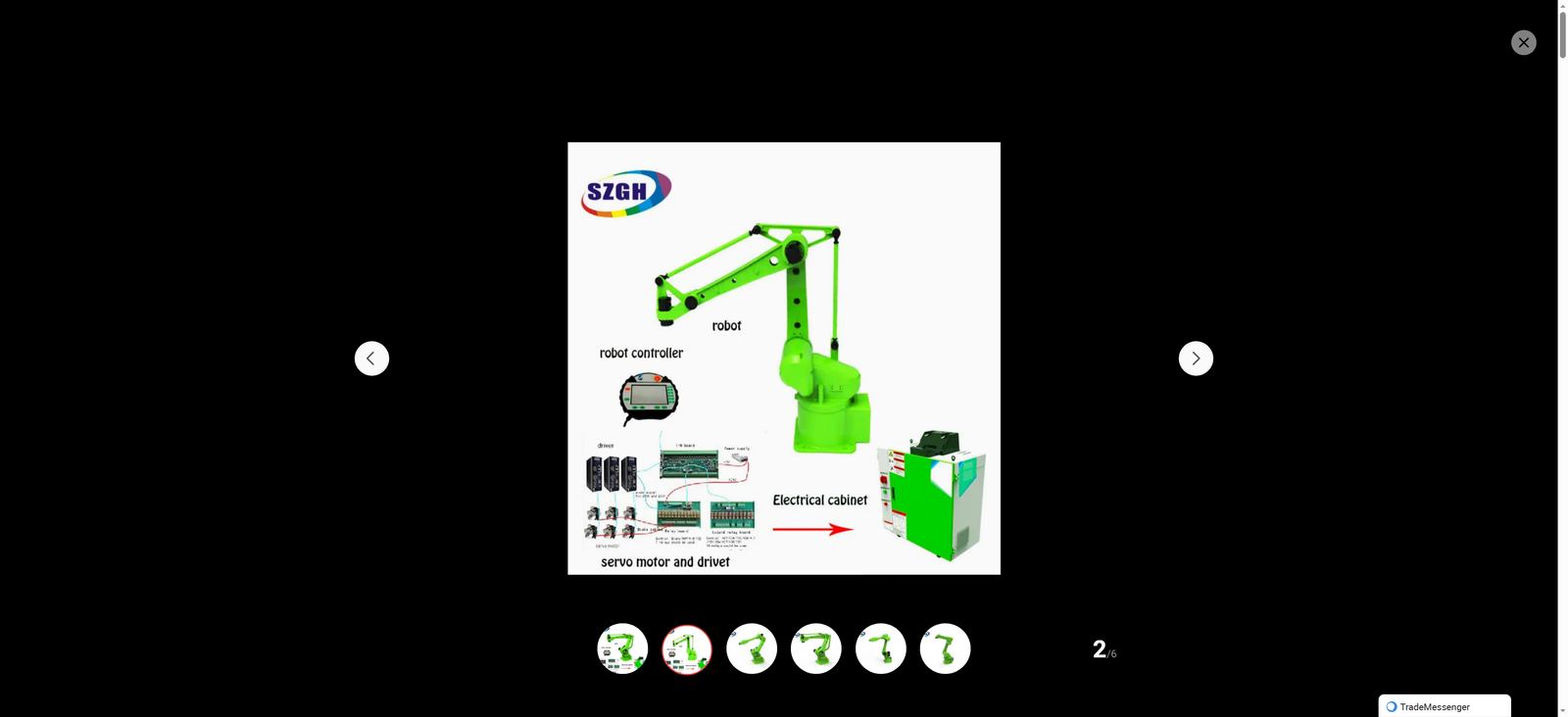
Complementing the nailing robot is the versatile Robot Arm, a flexible automation component that serves as the backbone of material handling and processing in wood manufacturing. When paired with specialized grippers—such as the Pneumatic Nailing Gripper and Air Chuck Gripper—the robot arm executes a wide range of tasks with unparalleled precision. The Pneumatic Nailing Gripper, optimized for wood applications, ensures secure hold and accurate placement of nails, while its compact design and easy installation make it compatible with both pneumatic and electric systems. On the other hand, the Air Chuck Gripper stands out for its exceptional precision, boasting repeatability up to 0.0005 mm, making it ideal for tasks that require tight tolerances, such as securing irregularly shaped wood components or thin-wall materials. This adaptability allows the robot arm to seamlessly transition between nailing, grabbing, flitting, and carrying tasks, streamlining production lines and reducing downtime.
For handling delicate or bulky wood materials—such as wood boards, doors, and raw timber—the Wood Board Door Vacuum Suck Robot and vacuum-based gripping solutions offer unmatched reliability and care. These systems utilize vacuum technology to create a strong, uniform suction force, enabling secure handling without damaging the wood’s surface texture or finish—a critical advantage when working with painted, polished, or porous wood materials. The Wood Board Door Vacuum Suck Robot is specifically engineered to handle large, heavy items like wooden doors and panels, with flexible suction cups that adapt to non-standard geometries and even rough, dusty, or humid surfaces—eliminating the need for pre-cleaning and reducing material waste. Whether flitting between production stations, carrying raw materials to processing lines, or grabbing finished products for packaging, these vacuum handling robots ensure smooth, efficient material flow, while their rugged construction resists dust, vibration, and humidity—key considerations in harsh wood processing environments.
The synergy between these robotic systems—nailing robots, robot arms, pneumatic grippers, air chuck grippers, and vacuum handling solutions—addresses the core challenges of modern wood processing: labor shortages, inconsistent quality, and rising operational costs. By automating repetitive, labor-intensive tasks, manufacturers can reduce reliance on skilled labor, minimize human error, and improve workplace safety by eliminating hazardous manual operations like heavy lifting and repetitive nailing. Additionally, these robotic solutions offer 24/7 continuous operation, significantly increasing production throughput while maintaining consistent quality—whether it’s achieving uniform nail placement in pallets or scratch-free handling of delicate wood doors.
Beyond efficiency and precision, these robotic technologies also support sustainability in wood processing. By reducing material waste through accurate handling and precise nailing, and optimizing energy consumption through advanced pneumatic and vacuum systems, manufacturers can lower their environmental footprint while improving profitability. The adaptability of these systems further enhances their value: with programmable parameters and interchangeable grippers, they can be reconfigured to handle new product designs or production requirements, future-proofing manufacturing facilities against changing market demands.
As the wood processing industry continues to evolve, the adoption of robotic grippers, nailing systems, and vacuum handling solutions is no longer a luxury but a necessity for staying competitive. From small-scale workshops to large manufacturing plants, these technologies empower businesses to streamline operations, improve product quality, and reduce costs—all while creating a safer, more sustainable work environment. Whether it’s the Robotic Wooden Pallet Nailing Robot driving efficiency in pallet production, the Air Chuck Gripper ensuring precision in delicate tasks, or the Wood Board Door Vacuum Suck Robot enabling gentle handling of bulky materials, each component plays a vital role in revolutionizing how wood products are made.
In conclusion, the integration of robotic systems—including pneumatic nailing grippers, robot arms, vacuum suck robots, and air chuck grippers—has transformed wood processing into a more efficient, precise, and sustainable industry. By harnessing the power of automation, manufacturers can overcome traditional challenges, unlock new levels of productivity, and deliver high-quality wood products that meet the demands of today’s market. As technology advances further, we can expect even more innovative solutions that push the boundaries of what’s possible in wood processing automation.