
Transforming Catering Services: The Rise of Restaurant Autonomous Delivery Robots and Driverless Food Vehicles
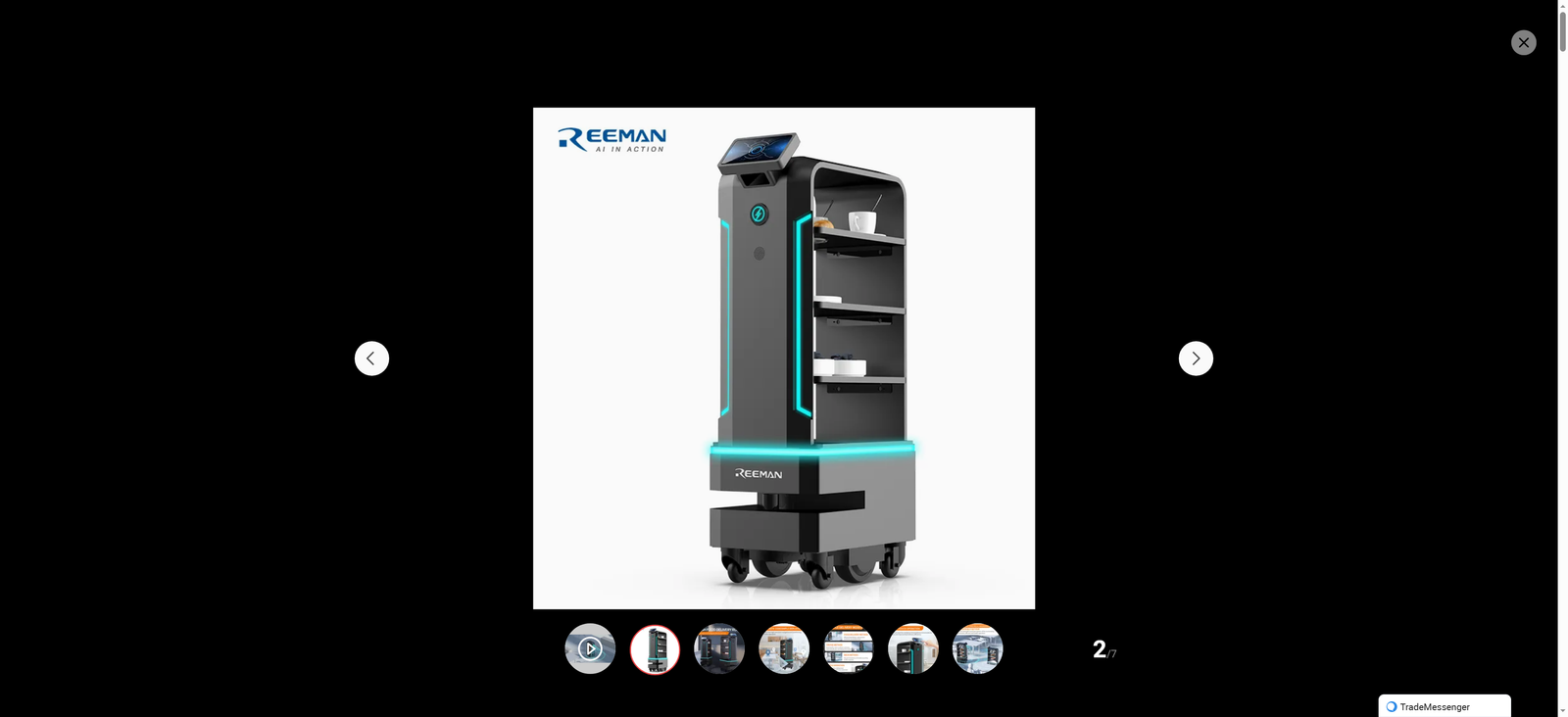
In the fast-paced digital era, the catering industry is undergoing a profound transformation driven by technological innovation. Among the most impactful advancements are Restaurant Auto Deliveries Robots, Driverless Delivery systems, Self Driving Delivery Food Trucks, and Mobile Food Trailers—all of which are reshaping how food is prepared, delivered, and experienced. These intelligent solutions are not just novelties; they are addressing long-standing industry pain points, enhancing operational efficiency, improving customer satisfaction, and opening up new possibilities for catering businesses worldwide.
Restaurant Auto Deliveries Robots (often referred to as restaurant delivery robots) have become a staple in modern dining spaces, from casual cafes to high-end restaurants and large chain eateries. Designed to streamline in-house service, these compact, intelligent robots are equipped with advanced navigation technologies, including simultaneous localization and mapping (SLAM), laser radar, and ultrasonic sensors, allowing them to move seamlessly through crowded dining areas, avoid obstacles, and accurately reach designated tables or pickup points. Unlike human servers, they can work continuously for hours without rest, eliminating the need for breaks or time off and effectively addressing the industry’s persistent labor shortage challenge.
The value of restaurant delivery robots extends to multiple stakeholders in the catering ecosystem. For restaurant owners, they significantly reduce labor costs—data shows that a single delivery robot can handle the workload of 2 to 3 human servers, delivering 400 to 600 plates per day and saving 8,000 to 12,000 yuan in monthly labor expenses on average. They also boost service efficiency by 300%, supporting single-point and multi-point delivery in one trip and ensuring timely food service even during peak hours. For staff, these robots alleviate the burden of repetitive, physical tasks such as carrying heavy food trays and walking long distances, reducing work stress and improving employee retention rates. For customers, the robots minimize waiting time, provide a novel and interactive dining experience, and ensure accurate food delivery with built-in wrong-take reminders, all of which enhance overall satisfaction. Beyond delivery, many models also offer additional functions, such as迎宾领位 (greeting and seating guests), plate recycling, and even food promotion—some can stand at restaurant entrances to recommend signature dishes, perform songs and dances to attract customers, or distribute snacks in waiting areas to ease customer anxiety.
While restaurant delivery robots optimize in-house operations, Driverless Delivery and Self Driving Delivery Food Trucks are revolutionizing the off-premises catering landscape, bridging the gap between restaurants and customers beyond the dining room. These autonomous vehicles leverage cutting-edge self-driving technology, which consists of three core modules: environmental perception, path planning, and decision control. Equipped with laser radar (LiDAR), millimeter-wave radar, cameras, and GPS positioning systems, they can achieve centimeter-level positioning accuracy, recognize dynamic obstacles with a 98% accuracy rate, and navigate safely through urban streets, residential areas, and commercial districts without human intervention. V2X (vehicle-to-everything) communication technology further enhances their safety by enabling real-time interaction with traffic infrastructure, reducing collision risks by 20%.
Self Driving Delivery Food Trucks combine the mobility of traditional food trucks with the intelligence of autonomous technology, offering a flexible and efficient way to bring freshly prepared food to various locations. Unlike fixed restaurants, these mobile units can be deployed to high-traffic areas such as office parks, campuses, parks, and event venues, adapting to changing customer demand and seasonal trends. They are fully equipped with cooking appliances—including refrigerators, fryers, ovens, and grills—and workspace, allowing vendors to prepare and serve food on-site while the autonomous system handles navigation and parking. This flexibility not only expands the reach of catering businesses but also reduces the costs associated with renting physical storefronts, making it easier for entrepreneurs to enter the industry.
Complementing Self Driving Delivery Food Trucks, Mobile Food Trailers add another layer of versatility to the autonomous catering ecosystem. These trailers come in various types—including vintage, enclosed, and fully loaded models—to suit different business needs. Vintage trailers, with their charming and nostalgic designs, attract customers with unique aesthetics while offering modern cooking capabilities; enclosed trailers provide protection for equipment and food against harsh weather and unauthorized access; fully loaded trailers are ready to serve immediately, equipped with all necessary amenities for on-site food preparation and service. When paired with driverless towing systems, Mobile Food Trailers can be transported to any location efficiently, enabling catering businesses to capitalize on temporary opportunities such as festivals, concerts, and community events without relying on human drivers.
The integration of these autonomous technologies—Restaurant Auto Deliveries Robots, Driverless Delivery systems, Self Driving Delivery Food Trucks, and Mobile Food Trailers—has created a seamless, end-to-end catering solution that benefits both businesses and consumers. For catering operators, the combination of in-house and off-premises autonomous services optimizes the entire supply chain, from food preparation to delivery, reducing costs, improving efficiency, and enhancing brand competitiveness. For example, a global chain restaurant using delivery robots has seen a significant boost in operational efficiency, while a catering brand using self-driving food trucks and mobile trailers has expanded its customer base by reaching new locations with minimal overheads.
Despite their numerous advantages, the widespread adoption of these autonomous technologies still faces some challenges. Technical hurdles, such as navigating complex urban environments with heavy traffic or extreme weather conditions, remain a focus for researchers and developers. Additionally, regulatory frameworks for driverless vehicles are still evolving in many regions, with issues such as liability and safety standards yet to be fully addressed. Public acceptance is another factor—while many customers embrace the novelty and convenience of autonomous delivery, some still prefer human interaction, especially in high-end dining settings.
However, the future of autonomous catering is promising. As technology continues to advance—with improvements in sensor fusion, artificial intelligence, and V2X communication—these autonomous systems will become more reliable, affordable, and adaptable. Industry experts predict that by 2025, L4-level autonomous vehicles (which can operate fully autonomously in specific scenarios) will see mass production, further driving the adoption of self-driving food trucks and delivery systems. Meanwhile, restaurant delivery robots will become more intelligent, with enhanced interaction capabilities and the ability to handle more complex tasks, blending seamlessly with human staff to create a hybrid service model that combines efficiency and personalization.
In conclusion, Restaurant Auto Deliveries Robots, Driverless Delivery, Self Driving Delivery Food Trucks, and Mobile Food Trailers are not just transforming the catering industry—they are redefining it. By leveraging autonomous technology, catering businesses can overcome labor shortages, reduce costs, expand their reach, and provide a better customer experience. As these technologies continue to mature and integrate into the fabric of the catering ecosystem, they will unlock new opportunities for innovation, sustainability, and growth, shaping the future of food service for years to come. Whether it’s a robot delivering a meal to your table in a restaurant or a self-driving food truck serving your favorite snack at a park, autonomous catering is no longer a distant dream—it’s a present reality that is here to stay.