
Robot Waiters and Robotic Food Delivery: Reshaping the Future of Restaurant Service
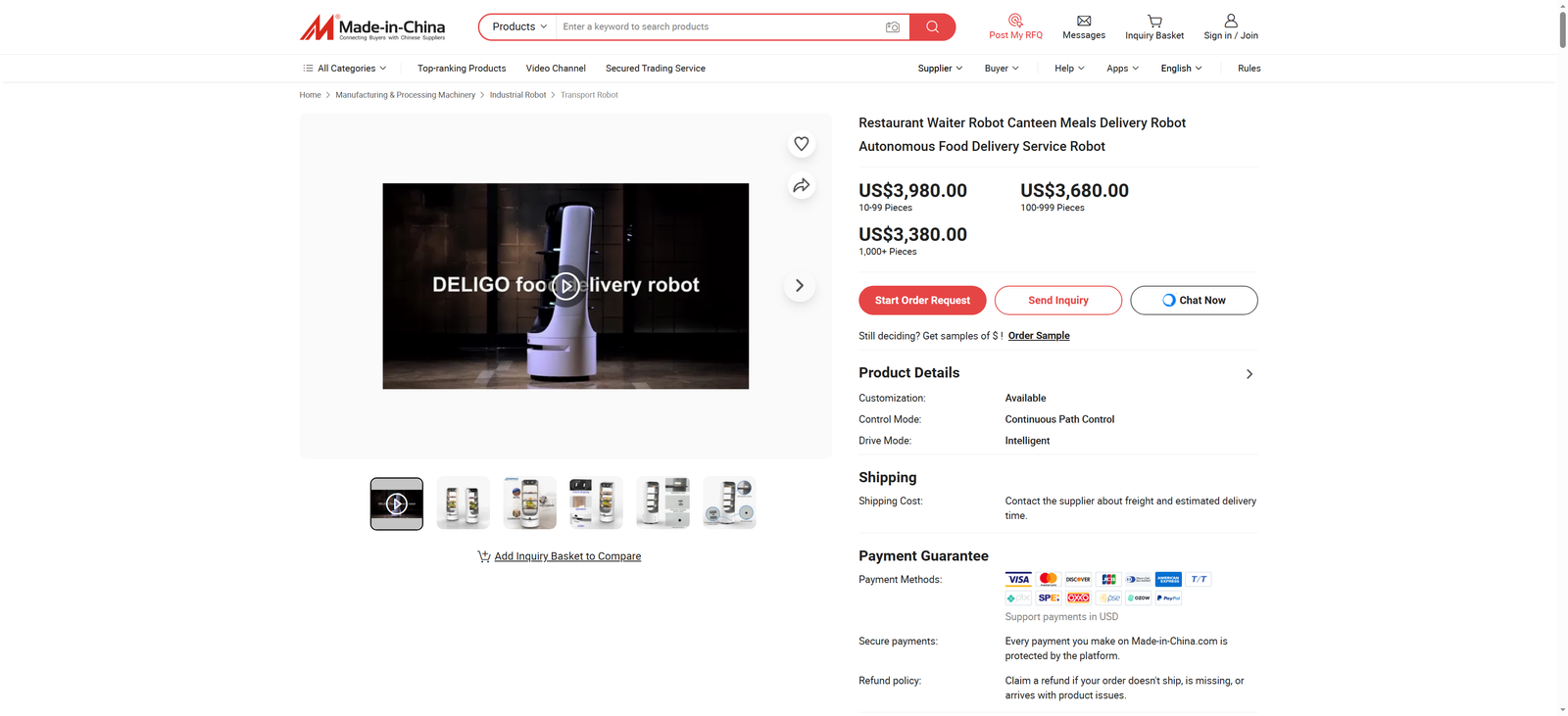
In an era of rapid technological advancement, the restaurant industry is undergoing a profound transformation driven by innovation—and at the heart of this change are robot waiters for restaurants, serving robots, and the broader revolution of robotic food delivery. What was once a sci-fi fantasy—robots seamlessly navigating dining halls, delivering hot meals to tables, and supporting restaurant operations—is now a tangible reality, redefining how restaurants serve customers and manage their businesses. From bustling fast-food chains to upscale dining venues, robot restaurants and robots that deliver food are no longer novelty attractions but practical solutions that address industry pain points and elevate the dining experience.
A robot waiter for a restaurant is far more than a mechanical server; it is a sophisticated piece of technology integrated with artificial intelligence (AI), sensors, and advanced navigation systems. Unlike traditional human waitstaff, these robots can work 24 hours a day without fatigue, distraction, or the need for breaks—aside from regular maintenance and charging—and they excel at handling repetitive, time-consuming tasks that often burden restaurant employees. Whether it’s taking simple orders via touchscreen interfaces, delivering appetizers, entrees, and drinks to designated tables with pinpoint accuracy, or clearing empty dishes,serving robots streamline front-of-house operations, allowing human staff to focus on what they do best: providing personalized, empathetic service and engaging with customers on a deeper level.
The rise of robot restaurants—venues where robotic technology is integrated into every aspect of service, from greeting guests to food delivery—has been fueled by the growing need to solve long-standing industry challenges. Labor shortages, rising labor costs, and the demand for faster, more consistent service have pushed restaurant owners to embrace automation. For example, in Malaysia’s Food Bayana, a global fully automated dining center, 30 robots that deliver food handle the entire process from order reception to meal delivery, cutting labor costs by over 50% and doubling delivery efficiency. These robots, equipped with 3D obstacle avoidance and real-time order tracking, navigate the busy two-story venue effortlessly, ensuring meals reach customers quickly while maintaining hygiene standards through enclosed food compartments and UV disinfection.
Robotic food delivery extends beyond the walls of robot restaurants, encompassing both in-house table delivery and even off-premise delivery for takeout orders. Today’s serving robots are designed to adapt to diverse dining environments: sleek, compact models navigate narrow aisles in cozy cafes, while larger, multi-tray robots handle high-volume orders in stadiums, airports, and chain restaurants. Advanced models, such as Purdue’s “Lightning Box Arm,” feature bionic arms that can grasp and sort dishes, moving beyond simple delivery to perform more complex tasks—marking a leap from “mobile only” to “mobile operation” capabilities. These robots integrate with restaurant POS systems, allowing seamless coordination between the kitchen and dining floor, reducing order errors and ensuring that food is delivered at the optimal temperature.
The benefits of adopting robot waiters for restaurants and robotic food delivery are multifaceted, going beyond cost savings and efficiency. For customers, the experience is enhanced by faster service, reduced wait times, and a touch of technological novelty—especially appealing to younger generations and tech enthusiasts. In a post-pandemic world, robots that deliver food also offer a hygienic advantage, minimizing human contact during meal preparation and delivery, which has become a key priority for diners. For restaurant owners, automation brings consistency: unlike human staff, robots deliver meals the same way every time, reducing mistakes and ensuring a uniform customer experience. Additionally, robot restaurants often attract media attention and social media buzz, serving as a unique marketing tool to differentiate from competitors.
Despite their growing popularity, robot waiters for restaurants and robotic food delivery face several challenges that prevent widespread adoption. The initial investment is significant—purchasing, installing, and integrating robotic systems can be costly, especially for small and medium-sized restaurants. Maintenance also requires specialized technical staff, and robot malfunctions can disrupt operations if not addressed quickly. There is also the human element: some customers crave the warmth and personal touch of human interaction, finding robotic service cold or impersonal. Moreover, robots still lack the flexibility to handle unexpected situations—such as a customer spilling a drink or asking for a custom order adjustment—where human judgment and empathy are essential.
Looking ahead, the future of robot waiters, serving robots, and robotic food delivery is bright, with ongoing technological advancements addressing current limitations. As AI and sensor technology improve, robots will become more intelligent: they will recognize customer faces, remember preferences, and engage in natural conversations, bridging the gap between automation and personalization. Costs will also decrease as production scales up and technology matures, making robotic solutions accessible to more restaurants—not just large chains and high-end venues. The most sustainable model, experts predict, will be “human-robot collaboration”: robots handle repetitive tasks like delivery and dish collection, while humans focus on customer service, creativity, and complex problem-solving.
By 2030, robotic food delivery is expected to become a standard feature in many restaurants worldwide, with fully automated fast-food outlets and hybrid dining venues dominating the landscape. Robot restaurants will no longer be exceptions but part of the mainstream, leveraging cloud-based management systems to monitor robot performance and optimize operations in real time. As robots become more versatile and affordable, they will reshape the restaurant industry—not by replacing human workers, but by augmenting their capabilities and creating a more efficient, enjoyable experience for both staff and customers.
In conclusion, robot waiters for restaurants, serving robots, robots that deliver food, and robotic food delivery are transforming the restaurant industry, blending innovation with practicality to solve long-standing challenges. While they may never fully replace the human touch that makes dining a social experience, they are proving to be invaluable tools for modern restaurants looking to thrive in a competitive market. As technology continues to evolve, the line between human and robotic service will blur, creating a future where automation and empathy work hand in hand to redefine what it means to dine out.