
In the ever-evolving landscape of hospitality and F&B industries, technological innovation has become a key driver of efficiency and customer experience. Among the most notable advancements is the emergence of Robot Serving Restaurant Hotel Delivery Robots, which are reshaping how food and services are delivered in restaurants, hotels, and similar venues. These Autonomous Food Delivery Robots, also commonly referred to as Delivery Bot or simply Robot Delivery Robots for Restaurants, are no longer just a novelty—they have become indispensable assets that bridge the gap between operational needs and customer expectations.
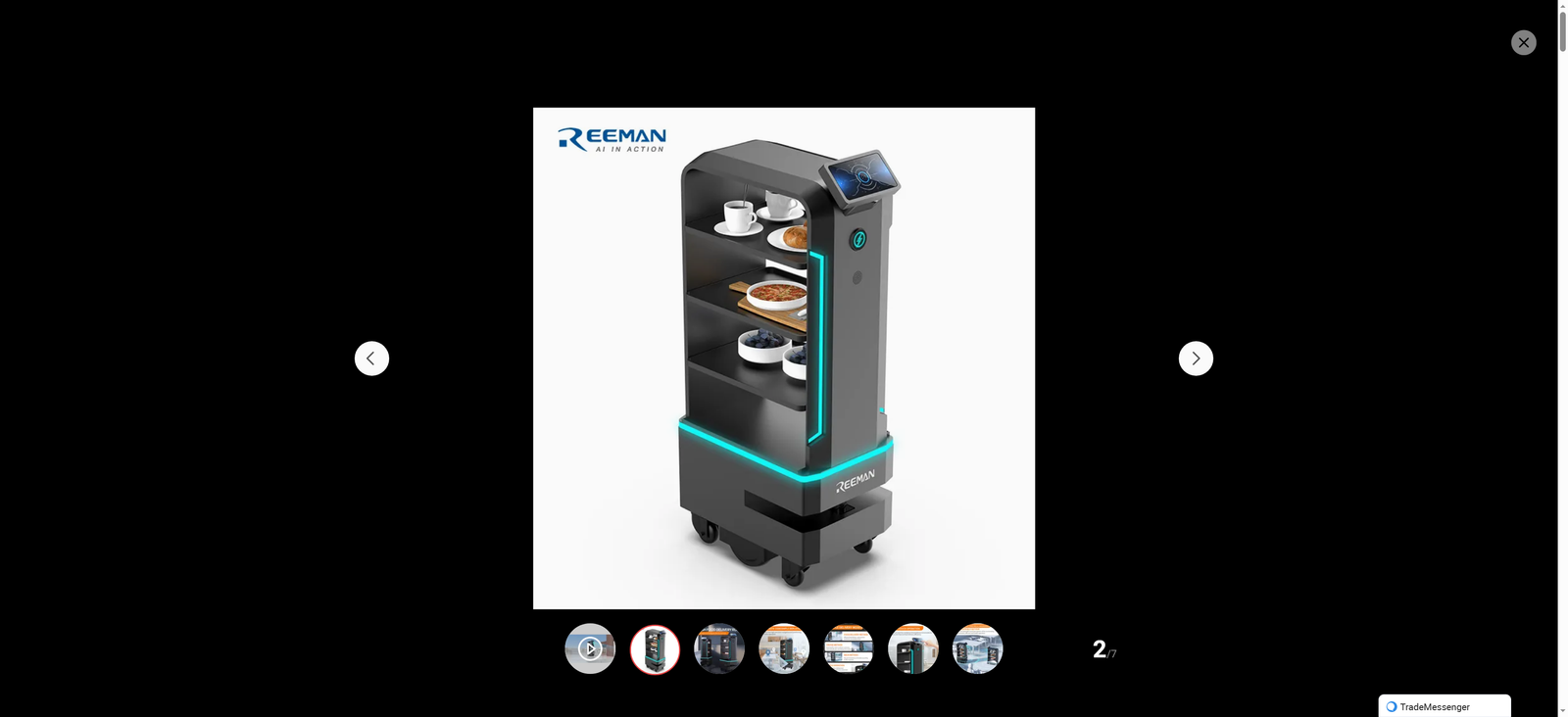
The core advantage of Robot Delivery Robots for Restaurants lies in their ability to streamline delivery processes while reducing human error. In busy restaurants, where servers are often stretched thin during peak hours, a Delivery Bot can efficiently navigate through crowded dining halls, avoid obstacles, and deliver dishes to the correct tables with pinpoint accuracy. Unlike human staff, these Autonomous Food Delivery Robots do not tire, do not require breaks, and can maintain a consistent level of service throughout long shifts. This not only speeds up the food delivery process but also allows human servers to focus on more high-value interactions, such as taking orders, explaining menu items, and addressing customer inquiries—ultimately enhancing the overall dining experience.
When it comes to hotels, Robot Serving Restaurant Hotel Delivery Robots bring a new level of convenience to both guests and staff. Imagine a guest craving a late-night snack from the hotel restaurant or needing extra towels delivered to their room—instead of waiting for a staff member to become available, an Autonomous Food Delivery Robot can fulfill the request promptly. These robots are designed to operate seamlessly within hotel environments, from navigating elevators and corridors to recognizing room numbers. For hotel management, this translates to reduced labor costs, improved service efficiency, and the ability to meet guest demands 24/7 without compromising on quality. Moreover, the use of Robot Delivery Robots in hotels adds a touch of modernity and innovation, which can be a key differentiator in a competitive market.
The technological sophistication of today’s Autonomous Food Delivery Robots is worth noting. Equipped with advanced sensors, cameras, and AI algorithms, these Delivery Bots can adapt to dynamic environments in real time. They can detect and avoid pedestrians, obstacles, and sudden changes in their surroundings, ensuring safe and reliable operation. Many Robot Delivery Robots for Restaurants and hotels also come with features such as temperature-controlled compartments, which are essential for keeping food hot or cold during delivery. Additionally, these robots can be integrated with restaurant and hotel management systems, allowing for seamless order tracking, inventory management, and data analytics. This integration provides valuable insights into customer preferences and operational bottlenecks, enabling businesses to make data-driven decisions to optimize their services.
While some may worry that the widespread adoption of Robot Serving Restaurant Hotel Delivery Robots will replace human jobs, the reality is quite the opposite. These robots are designed to complement human staff, not replace them. By taking over repetitive and time-consuming delivery tasks, they free up human employees to focus on roles that require empathy, creativity, and personal interaction—qualities that robots cannot replicate. For example, in a restaurant, servers can spend more time engaging with guests, ensuring their dining experience is enjoyable, rather than rushing back and forth between the kitchen and tables. In hotels, staff can focus on maintaining the quality of facilities and providing personalized services, while robots handle the logistics of deliveries.
Looking ahead, the future of Robot Delivery Robots for Restaurants, hotels, and other hospitality venues is promising. As technology continues to advance, we can expect these Autonomous Food Delivery Robots to become even more intelligent, efficient, and versatile. They may soon be able to handle more complex tasks, such as taking orders directly from guests, processing payments, or even assisting with cleaning services. Additionally, the cost of these robots is likely to decrease as production scales up, making them more accessible to small and medium-sized businesses. With their ability to improve operational efficiency, enhance customer experience, and reduce costs, Robot Serving Restaurant Hotel Delivery Robots are set to become a staple in the hospitality and F&B industries.
In conclusion, Autonomous Food Delivery Robots—whether referred to as Delivery Bot, Robot Delivery Robots for Restaurants, or Robot Serving Restaurant Hotel Delivery Robots—are transforming the way restaurants and hotels operate. They offer a winning combination of efficiency, reliability, and convenience, benefiting both businesses and customers alike. As the hospitality industry continues to embrace technological innovation, these robots will play an increasingly important role in shaping the future of service. For businesses looking to stay ahead of the curve, investing in Robot Delivery Robots is not just a trend—it is a strategic decision that can drive long-term success.