
Restaurant Delivery Robot: A New Engine for Boosting Efficiency and Cutting Labor Costs
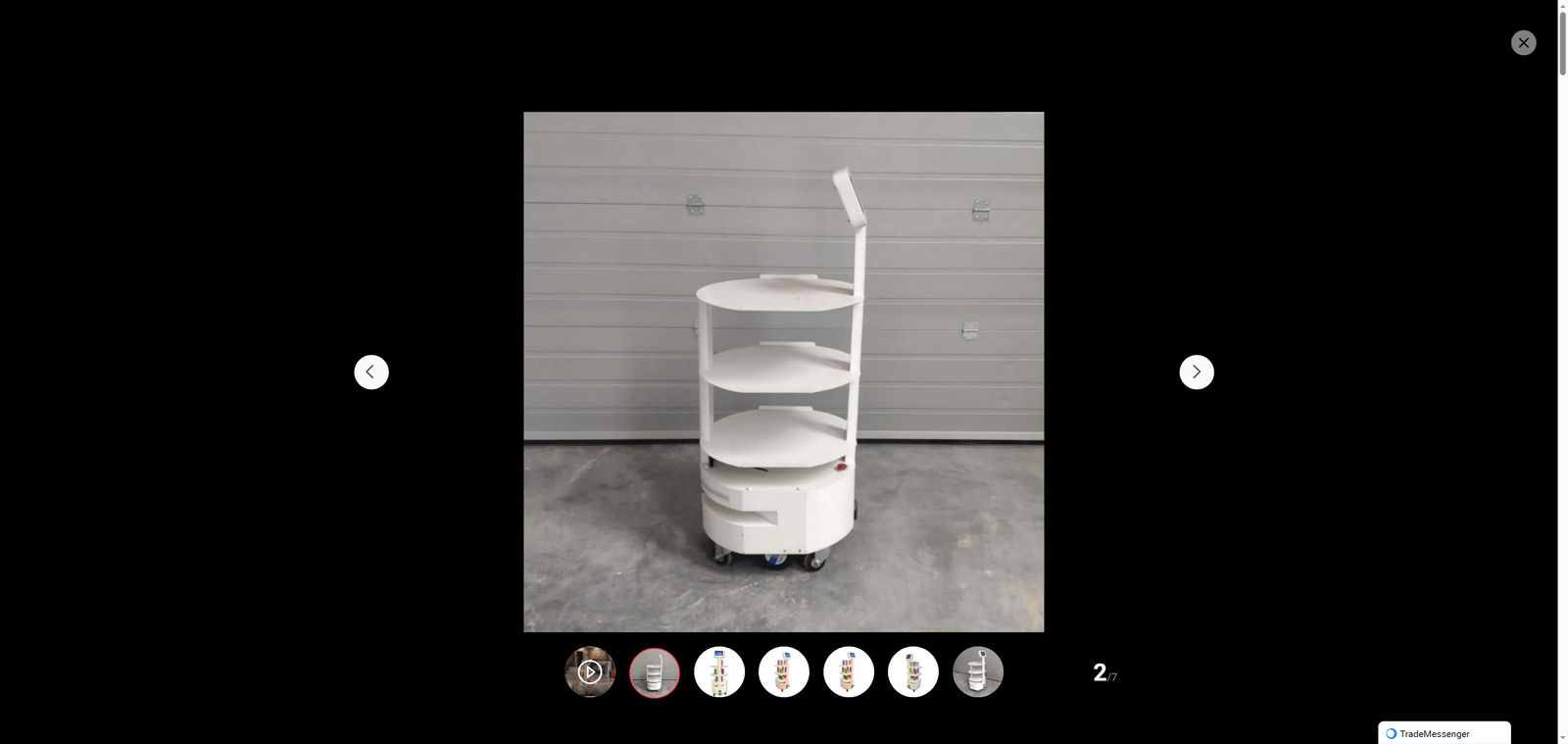
In the fiercely competitive catering industry, where operational efficiency and cost control are the keys to survival and development, traditional manual service models are facing increasing challenges—labor shortages, rising labor costs, and uneven service quality have become pain points restricting the sustainable development of catering enterprises. Against this background, restaurant delivery robots, as a product of the deep integration of artificial intelligence and the catering industry, have emerged at the right time. They are not only changing the way catering services are provided but also becoming a powerful tool for restaurants to boost operational efficiency and reduce labor costs, injecting new vitality into the upgrading of the catering industry.
The most prominent advantage of restaurant delivery robots is their ability to significantly boost operational efficiency, breaking through the limitations of manual service. In peak dining hours, restaurants often face the dilemma of insufficient waiters—diners wait for a long time to order, meals are delayed in delivery, and waiters are exhausted from running back and forth, which not only affects the dining experience of customers but also limits the turnover rate of the restaurant. However, delivery robots can perfectly solve this problem with their high efficiency and stability. Equipped with advanced navigation and obstacle avoidance systems, they can accurately identify the layout of the restaurant, plan the optimal delivery route, and flexibly avoid diners, waiters, and other obstacles, ensuring that meals are delivered to the designated table quickly and accurately.
Unlike manual service, delivery robots do not need to rest, do not feel tired, and can work continuously for 24 hours without reducing efficiency. A single robot can undertake the delivery tasks of multiple tables at the same time, which is equivalent to the workload of 2-3 waiters. This not only shortens the time from meal preparation to delivery but also allows waiters to be freed from tedious delivery work and focus more on providing high-quality services such as ordering, answering questions, and table clearing, thereby improving the overall service quality and customer satisfaction. In addition, delivery robots can also be connected to the restaurant's ordering system and kitchen management system in real time. After diners place an order, the order information is directly sent to the robot, and the robot can automatically go to the kitchen to pick up meals after the meals are prepared, realizing the full-link automation of ordering, meal preparation, and delivery, and further improving the operational efficiency of the restaurant.
In addition to boosting efficiency, reducing labor costs is another core value of restaurant delivery robots for catering enterprises. In recent years, the labor cost in the catering industry has been rising continuously. The salary, social security, and other expenses of waiters have become a heavy burden for many catering enterprises, especially small and medium-sized restaurants. According to relevant data, the labor cost of catering enterprises accounts for 25%-35% of the total operating cost, and this proportion is still increasing year by year. The application of delivery robots can effectively reduce the demand for manual labor, thereby reducing labor costs.
Although the initial purchase of delivery robots requires a certain amount of investment, from the long-term perspective of operational management, the cost advantage is very obvious. A delivery robot has a service life of 3-5 years, and the annual maintenance cost is only a few thousand yuan, which is far lower than the annual labor cost of manual waiters. For example, if a restaurant purchases 2 delivery robots, it can replace 4-6 waiters, and the annual labor cost saved can reach hundreds of thousands of yuan. Moreover, with the continuous maturity of the robot industry and the expansion of production scale, the price of delivery robots is gradually decreasing, making more and more catering enterprises able to afford them. In addition, the use of delivery robots can also reduce the cost of staff management, training, and turnover. Robots do not need to be trained, do not have the problem of turnover, and can avoid the management troubles caused by staff turnover, further reducing the operating costs of the restaurant.
It is worth mentioning that the application of restaurant delivery robots is not only limited to delivery work but also has more potential to be explored. With the continuous progress of technology, many delivery robots are also equipped with functions such as voice interaction, intelligent ordering, and bill payment. They can answer diners' questions, recommend dishes, and even complete the whole process of ordering and payment independently, further reducing the workload of waiters. At the same time, the data collected by delivery robots during operation, such as the peak dining time, the most popular dishes, and the average dining time of diners, can also provide valuable reference for restaurant operators to adjust their business strategies, optimize the menu structure, and improve operational management.
Of course, the popularization of restaurant delivery robots does not mean that manual service will be completely replaced. In the catering industry, humanized service is still irreplaceable. Delivery robots undertake the tedious and repetitive physical work, while waiters focus on providing emotional and humanized services, forming a complementary relationship between humans and robots. This combination not only improves the operational efficiency of the restaurant but also ensures the warmth and quality of the service, achieving a win-win situation for the restaurant and diners.
In the context of the digital and intelligent transformation of the catering industry, restaurant delivery robots have become an inevitable trend in the development of the catering industry with their unique advantages of boosting efficiency and reducing costs. They are not only a tool for catering enterprises to solve labor problems and improve operational benefits but also a symbol of the upgrading of the catering service model. With the continuous innovation and development of artificial intelligence technology, delivery robots will be more intelligent, humanized, and diversified, and will play a more important role in the catering industry.
For catering enterprises, actively embracing delivery robots and integrating intelligent technology into operational management is not only a response to market changes but also a strategic choice for long-term development. In the future, with the joint promotion of technology and the market, restaurant delivery robots will become a common sight in more restaurants, helping the catering industry to develop in a more efficient, economical, and high-quality direction.