
The New Era of Service Robots: Transforming Catering and Hotel Industries with Intelligence
With the rapid advancement of artificial intelligence, Internet of Things and autonomous navigation technologies, service robots have gradually stepped out of the laboratory and become an indispensable part of people's daily life and business services. Among them, restaurant delivery food robots, intelligent tray return food delivery robots and hotel robots have emerged as key players in transforming the catering and hotel industries. These intelligent robots are not only changing the traditional service mode, but also promoting the upgrading of the industry towards efficiency, standardization and humanization, opening a new chapter of intelligent service.
Restaurant delivery food robots, as the most widely used type of service robots in the catering industry, have effectively solved the pain points of labor shortage, high labor cost and uneven service quality in the catering field. Different from the traditional manual delivery mode, these robots are equipped with advanced laser navigation, visual recognition and obstacle avoidance systems, which can accurately plan the optimal delivery route in complex restaurant environments, bypass diners, tables and other obstacles flexibly, and deliver meals to the designated table quickly and safely. Whether it is a bustling hot pot restaurant, a elegant western restaurant or a crowded food court, restaurant delivery food robots can adapt to different scenarios with high efficiency. They can work 24 hours a day without rest, fatigue or emotional fluctuations, ensuring stable and consistent service quality. At the same time, the application of delivery robots also reduces the contact between service staff and diners, which is more in line with the health and safety needs of public catering scenes, especially in the post-epidemic era, it has become an important measure for catering enterprises to improve health management level.
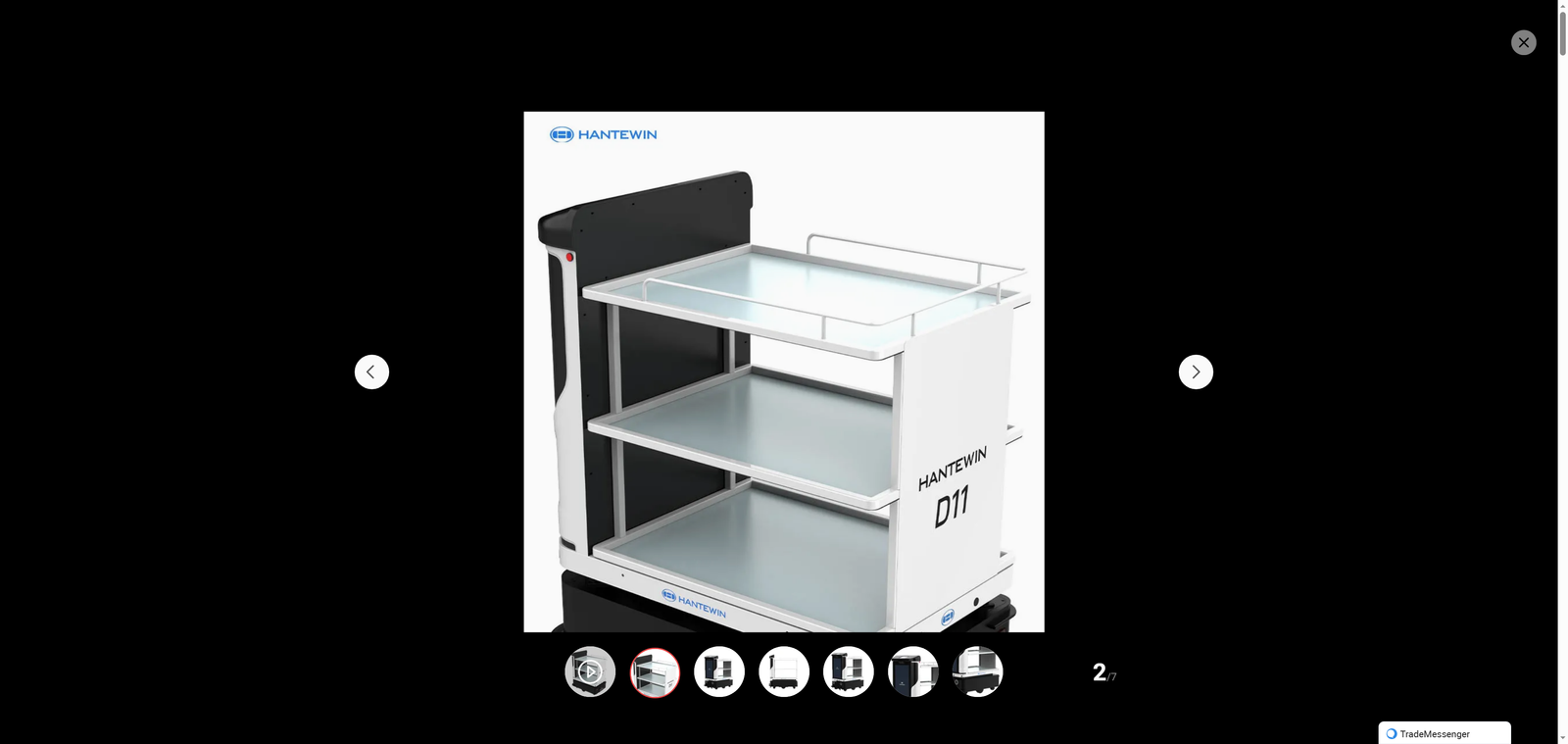
On the basis of restaurant delivery functions, intelligent tray return food delivery robots have further extended the service chain of catering robots, realizing the dual functions of "delivery and recovery", which is a more intelligent and comprehensive solution for the catering industry. After diners finish their meals, they only need to place the used tableware and trays in the designated area of the robot, and the intelligent tray return robot can automatically recognize, collect and transport the tableware to the kitchen or cleaning area. This not only reduces the workload of waiters, who no longer need to shuttle back and forth between tables and kitchens to collect tableware, but also speeds up the table turning efficiency of restaurants. For diners, it simplifies the process of returning tableware, improves the dining experience; for catering enterprises, it optimizes the service process, reduces labor costs and improves operational efficiency. The intelligent tray return food delivery robot is equipped with a high-precision weight sensor and visual recognition system, which can accurately identify different types of tableware, avoid overflow of residual soup and food, and ensure the cleanliness and hygiene of the transportation process. Some high-end models can also classify and place tableware according to preset programs, laying a foundation for the subsequent automatic cleaning of tableware.
In addition to the catering industry, hotel robots have also become a new symbol of intelligent hotels, injecting new vitality into the hotel service industry. Hotel robots cover a variety of service scenarios, including guest room delivery, front desk guidance, floor patrol, luggage transportation and other functions, fully meeting the diversified needs of hotel operation and guest stay. When guests need to send mineral water, towels, snacks and other items to the room, they only need to place an order through the hotel app or the phone in the room, and the hotel delivery robot can take the items and navigate to the designated room accurately, and complete the delivery through the intelligent door opening system, without the need for guests to go out or wait for the service staff. For the hotel, this not only saves the labor cost of room service, but also improves the response speed of service, realizing "24-hour on-call" intimate service. In addition, hotel robots can also act as "intelligent guides", providing guests with information such as hotel facilities introduction, surrounding scenic spots recommendation and catering reservation; as floor patrol robots, they can monitor the safety of public areas in real time, detect potential safety hazards such as fire and water leakage, and ensure the safety of hotel operation. The appearance of hotel robots not only enhances the sense of technology and fashion of the hotel, improves the hotel's brand image and market competitiveness, but also brings guests a novel and convenient stay experience, making the hotel stay more intelligent and humanized.
The wide application of restaurant delivery food robots, intelligent tray return food delivery robots and hotel robots is not only a technological innovation, but also a profound transformation of the service industry. Behind this transformation is the continuous progress of core technologies such as artificial intelligence, autonomous navigation and sensor technology, which provides a strong technical support for the stable operation of service robots. At the same time, with the continuous increase of labor costs in the service industry and the continuous improvement of consumers' demand for service quality, more and more catering and hotel enterprises begin to realize the importance of intelligent transformation, and service robots have become an important tool for enterprises to reduce costs, improve efficiency and enhance competitiveness.
Of course, the development of service robots is still in a stage of continuous progress and improvement. At present, some robots still have certain limitations in complex environments, such as difficulty in adapting to extremely crowded scenes or sudden obstacles; the interaction between robots and humans still needs to be more natural and intelligent; the maintenance and operation cost of robots is also a problem that enterprises need to consider. However, with the continuous investment of scientific and technological research and development and the continuous accumulation of application experience, these problems will be gradually solved. In the future, service robots will be more intelligent, humanized and diversified. They may have more accurate emotion recognition ability, be able to provide personalized services according to the needs of diners and guests; they may realize interconnection and cooperation between multiple robots, forming an intelligent service network; they may also be integrated with more technologies such as big data and cloud computing, helping enterprises to carry out more accurate operation and management.
In conclusion, restaurant delivery food robots, intelligent tray return food delivery robots and hotel robots have become important driving forces for the intelligent transformation of the catering and hotel industries. They are changing the traditional service mode with their efficient, stable and safe service characteristics, bringing new development opportunities for enterprises and new experience for consumers. With the continuous development of science and technology, the era of intelligent service dominated by service robots is coming. It is believed that in the near future, service robots will be more widely used in various service fields, creating a more convenient, efficient and high-quality life for people.