
In the fast-paced and high-demand environment of hospitals, efficient, hygienic, and reliable logistics services are crucial to ensuring the smooth operation of medical work and improving patient satisfaction. With the continuous advancement of intelligent technology, the Remote Control Hotel Food Delivery Robot with 3 Layers, tailored for hospital customizable delivery services, has emerged as a game-changer. This innovative waiter robot is redefining the way hospitals handle food delivery and related logistics, bringing unprecedented convenience and efficiency to medical institutions.
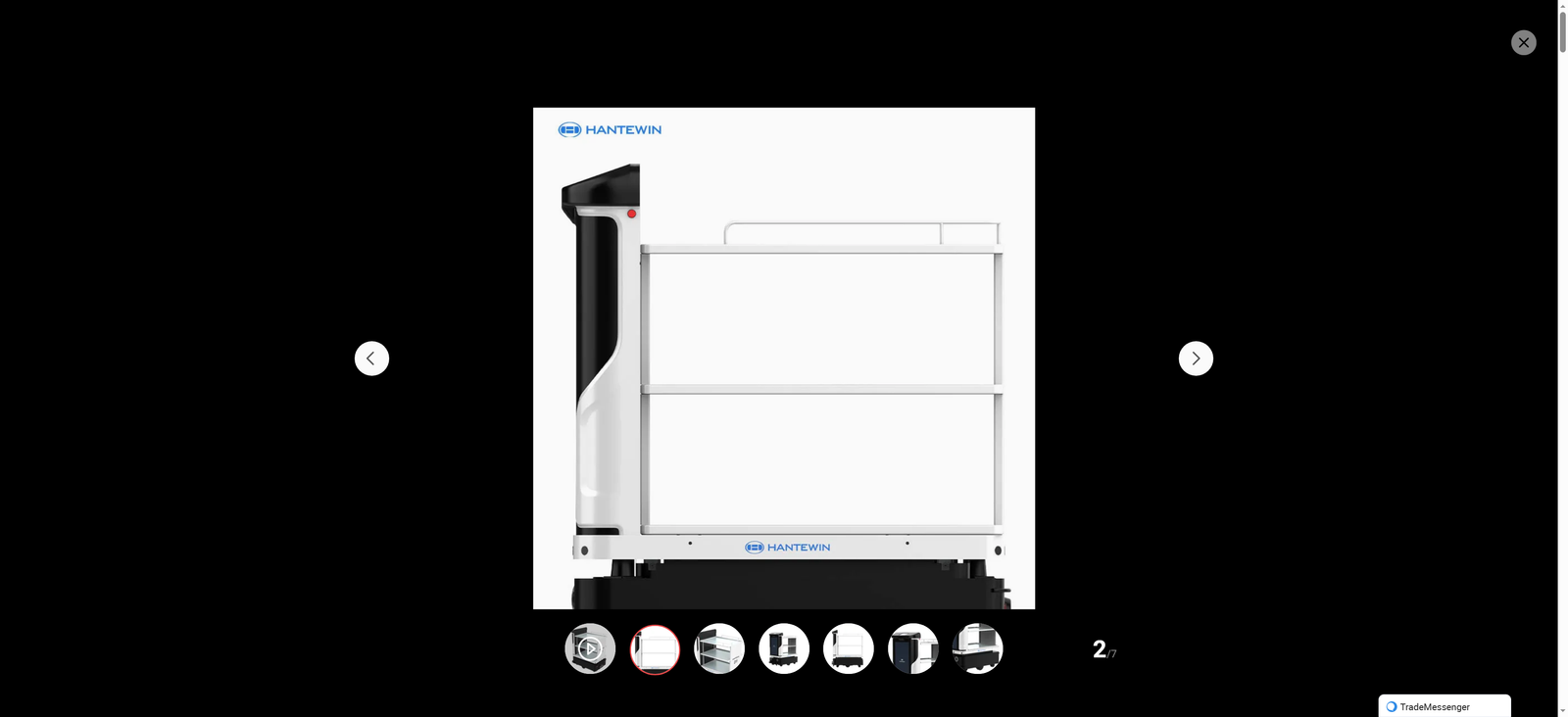
The 3-layer design of the robot is one of its most prominent advantages, perfectly addressing the diverse delivery needs of hospitals. Unlike single-layer delivery robots that can only carry a limited quantity or type of items, the three independent layers of this robot allow for classified storage and transportation. For example, in food delivery scenarios, one layer can hold hot meals for patients, another can place cold drinks or fruits, and the third can carry tableware to be recycled—all in one trip. This not only reduces the number of delivery trips, saving time and energy, but also avoids cross-contamination between different items, ensuring food safety and hygiene, which is particularly critical in hospitals where infection control is a top priority. Additionally, the 3-layer structure is designed with adjustable partitions, enabling it to adapt to the delivery of items of different sizes, such as medical supplies, daily necessities for patients, and documents between departments.
The remote control function of the robot further enhances its applicability and operational flexibility in hospital environments. Hospital staff can easily control the robot's movement, direction, and delivery tasks through a dedicated remote control terminal or a mobile app, without the need for on-site operation. This is extremely beneficial in areas with high traffic or complex layouts, such as hospital corridors, nurse stations, and ward areas. Staff can remotely command the robot to avoid obstacles, take the optimal route, and accurately reach the target ward or department. Moreover, the remote control system supports real-time monitoring of the robot's working status, including battery level, delivery progress, and fault alerts. Once an abnormality is detected, staff can promptly intervene and handle it, ensuring the stability and continuity of the delivery service. For scenarios where immediate delivery is required, such as delivering meals to critically ill patients or urgent medical supplies, the remote control function allows the robot to respond quickly, improving the efficiency of emergency support.
Customizable delivery services are another key feature that makes this robot highly suitable for hospitals. Every hospital has unique logistics needs based on its scale, department settings, and patient conditions. This robot can be customized according to the specific requirements of the hospital. For instance, in terms of delivery routes, it can be pre-set with fixed routes for routine meal delivery, or flexible routes can be customized for temporary delivery tasks. In terms of service functions, it can be equipped with a voice broadcast system to remind patients or staff of the arrival of deliveries, or a touch-screen interface for patients to confirm receipt. For special departments such as isolation wards, the robot can be customized with anti-bacterial materials and disinfection functions to meet the strict hygiene requirements of isolation areas. Furthermore, the robot's capacity, speed, and battery life can also be adjusted according to the hospital's daily delivery volume and working hours, ensuring that it fully matches the actual operational needs of the hospital.
The application of this remote control 3-layer delivery robot in hospitals brings multiple positive impacts. Firstly, it reduces the workload of medical staff. In traditional hospital logistics, staff often need to spend a lot of time and energy on food delivery, material transportation, and other trivial tasks. With the robot taking over these tasks, staff can focus more on core medical work, such as patient care and diagnosis and treatment, improving the overall quality of medical services. Secondly, it enhances the hygiene and safety of delivery services. The robot's closed delivery compartments and anti-bacterial design effectively reduce the contact between people and items, minimizing the risk of cross-infection, which is of great significance for maintaining the health of patients and staff. Thirdly, it improves the efficiency and accuracy of delivery. The robot can work continuously for a long time without fatigue, and the remote control and intelligent navigation functions ensure that deliveries are completed on time and accurately, reducing the occurrence of delivery delays or errors.
Looking to the future, with the deepening of intelligent transformation in the medical industry, the Remote Control Hotel Food Delivery Robot with 3 Layers will have broader application prospects. It can not only be used in food delivery but also be extended to more fields such as the delivery of medical samples, drugs, and medical devices. With continuous technological upgrades, the robot will become more intelligent, with functions such as automatic obstacle avoidance, AI-based route planning, and human-computer interaction, further optimizing the hospital logistics system. For hospitals, introducing such customizable intelligent delivery robots is not only a manifestation of technological progress but also an important measure to improve service quality, reduce operational costs, and enhance core competitiveness.
In conclusion, the Remote Control Hotel Food Delivery Robot with 3 Layers, designed for hospital customizable delivery services, is an indispensable intelligent tool in the modern hospital logistics system. Its 3-layer storage design, flexible remote control function, and personalized customization capabilities perfectly meet the diverse and strict needs of hospitals. By optimizing delivery processes, improving service efficiency, and ensuring hygiene and safety, this robot is making positive contributions to the development of the medical industry. As intelligent technology continues to evolve, we have reason to believe that such delivery robots will play an even more important role in hospitals, bringing a better experience to patients and staff.